
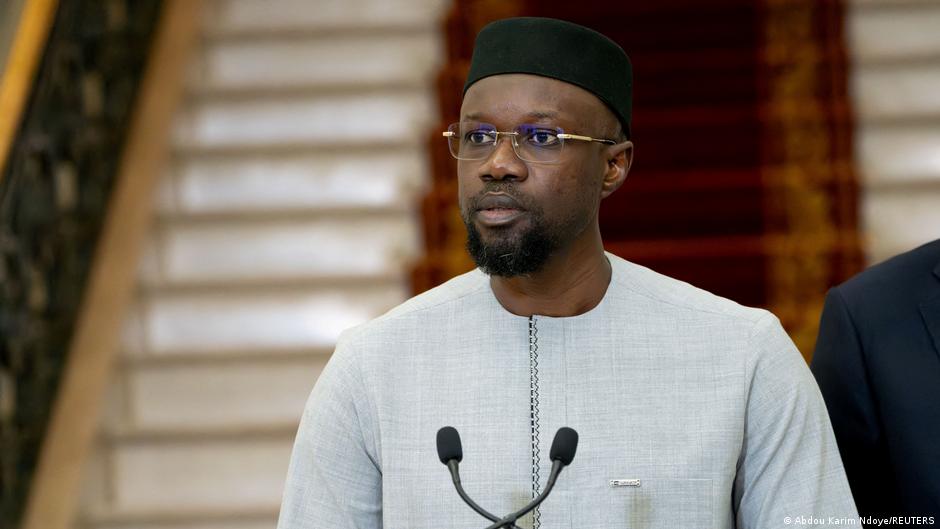
The Senegalese Constitutional Council has dealt a fresh blow to Ousmane Sonko, striking down a key institutional reform proposed by his party, the Pastef. The decision, handed down this Thursday, comes as a major setback for the ruling majority, which had pushed the controversial bill through a National Assembly dominated by its own ranks.
The Council’s ruling cites two critical constitutional violations: the lack of a financing mechanism for the proposed new Constitutional Court, and procedural irregularities during the parliamentary review of amendments introduced by the government. President Bassirou Diomaye Faye, who had personally referred the matter to the Council, confirmed the findings in a formal statement.
The reform, championed by Pastef supporters as a necessary rebalancing of state powers, aimed to expand institutional oversight and strengthen parliamentary investigative powers—particularly in areas like natural resource contracts. However, the Council’s verdict effectively halts its implementation, pending a legally compliant revision or abandonment of the bill.
Political fallout intensifies
Ousmane Sonko, who was removed from the premiership in May, had recently pivoted to a leadership role in the National Assembly. Yet tensions with President Faye have since escalated, with Sonko publicly framing the relationship as a tense cohabitation earlier this week. Political analysts suggest the court’s decision deepens the rift, signaling a prolonged power struggle that could reshape Senegal’s governance landscape for years to come.
Reactions from civil society and opposition
Opposition figures, including former lawmaker Adji Diarra Mergane Kanouté, argue the ruling underscores the need for inclusive constitutional reforms. “While the Council’s decision blocks this flawed process, it does not close the door entirely,” she noted. “A revised proposal could still advance—if it adheres to constitutional requirements, particularly Article 82, which mandates compensatory funding for new public institutions.”
Dr. Binette Ndiaye, coordinator of the Citizen Forum, welcomed the decision as a safeguard for democratic norms. “This ruling reminds us that even with a parliamentary majority, governance must respect dialogue and consensus. A one-sided constitutional amendment risks undermining the Republic’s foundations,” she emphasized.
What’s next?
The fate of the reform now hinges on whether Pastef revises the bill to address the Council’s concerns or abandons it altogether. Meanwhile, the political climate in Dakar remains charged, with both factions jockeying for influence ahead of upcoming debates on governance and accountability.



More Stories
Thierno Bocoum demands full disclosure on Senegal’s new IMF deal
Ousmane sonko demands transparency on Senegal’s new imf agreement
Senegal’s political crossroads: the institutional friction between Ousmane Sonko and Bassirou Diomaye Faye