Boureima Amadou
From surplus to shortages: how Niger’s oil paradox deepened
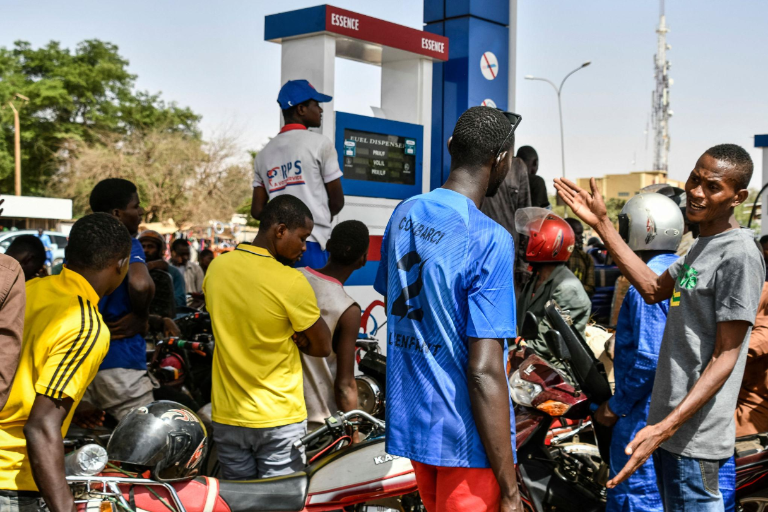
In a striking reversal of fortune, Niger—a country with operating refineries and a history of exporting refined products—now finds itself importing gasoline from Algeria to meet domestic demand. The arrival of 53 fuel tankers in Agadez, greeted with official fanfare, signals not a victory of energy cooperation but a critical turning point in the nation’s fuel supply chain management. While officials tout the shipment as a diplomatic success, the real issue lies in the systemic mismanagement that has eroded Niger’s energy sovereignty.
The convoy delivered approximately 1.65 million liters of petroleum products to the SONIDEP depot in Agadez, billed as an emergency response to supply tensions. Yet this dependency raises a pressing question: how did a nation capable of refining millions of liters of gasoline daily become reliant on foreign fuel to sustain its own market?
Production peaks, export gaps: the vanishing surplus
The numbers from the Zinder Refinery (SORAZ) reveal a troubling trend. In 2023, the facility produced 365.95 million liters of gasoline, with 328.25 million liters delivered to SONIDEP and the remaining 37.69 million liters exported. By 2024, however, the export surplus disappeared entirely, as all 345.34 million liters produced were absorbed by the national distribution network. The first two months of 2025 followed the same pattern: 56.88 million liters produced and delivered, leaving no room for reserves or export.
Official communications from SORAZ in late 2024 confirmed that domestic demand for gasoline and LPG had absorbed all refined output, while diesel continued to be exported. This shift highlights a fundamental flaw: while Niger’s refinery capacity remains intact, the infrastructure to store and distribute fuel securely has failed to keep pace with rising consumption.
Where have the reserves gone?
Reports suggest that strategic reserves may have been liquidated to address cash flow shortages, potentially compromising both emergency stocks and long-term maintenance schedules. If true, this practice undermines the very foundation of energy security—leaving the nation vulnerable to supply shocks without a viable replenishment mechanism.
The financial black box: SONIDEP’s mounting debt
The Nigerien Oil Distribution Company (SONIDEP), responsible for marketing and distributing petroleum products, faces severe financial strain. Publicly circulated figures indicate a debt exceeding 418 billion CFA francs—a staggering burden that raises serious concerns about revenue collection, credit management, and fiscal transparency. How can an entity handling hundreds of millions of liters of fuel accumulate such liabilities? Are sales fully accounted for? Are receivables from distributors and customers properly managed? Without audited financial statements, the answers remain speculative.
Informal supply crunch: Nigeria’s disappearing fuel flows
Another contributing factor to the crisis has been the decline of informal fuel imports from Nigeria. For years, a significant portion of Niger’s market was met through clandestine cross-border trade, enabled by lax controls and subsidized prices. However, Nigeria’s subsidy removal increased prices, while stricter border enforcement reduced smuggling. By March 2025, SONIDEP officials reported receiving only 25 tankers from SORAZ daily—half of the estimated national requirement of 50 tankers. The erosion of Nigeria’s informal supply chain exposed the inadequacy of formal infrastructure.
Rather than prompting proactive investments in storage or import capacity, this shift left Niger scrambling to fill the gap. The question now is: why weren’t alternative supply mechanisms developed sooner to prevent such a critical dependency?
Mali’s fuel aid: a double-edged diplomatic gesture
In November 2025, Niger transported approximately 82 tankers of fuel to Bamako during a severe blockade imposed by armed groups, an act of solidarity that came at a cost. Reports indicate that 14 transporters and 19 drivers faced sanctions for refusing to participate in the convoys, raising ethical and logistical concerns. While regional cooperation is vital, the timing of this operation prompts scrutiny: was Niger’s own fuel reserve status assessed before diverting resources to Mali? Could the national supply have sustained both domestic demand and this emergency response?
The contrast is stark: official receptions for Algerian fuel tankers arriving in Agadez, versus punitive measures against Nigerian transporters mobilized for Mali. Both episodes demand scrutiny under a unified lens: what is Niger’s national strategy for securing fuel supplies?
Algeria as last resort: a stopgap with hidden costs
The Algerian fuel shipment cannot be dismissed outright—proximity and refining capacity make Algeria a logical partner. Yet the context is damning: nationwide fuel shortages, halted diesel exports, and the establishment of a crisis committee led by the Prime Minister. On October 12, 2026, the government banned gasoline and diesel exports to prioritize domestic consumption, a tacit admission of systemic failure.
While the 1.65 million liters delivered temporarily ease pressure, they do not address the root causes. Transparent pricing, delivery schedules, and payment terms are essential to prevent exploitation. More critically, Niger must establish independent oversight of fuel flows, stock levels, and financial transactions across SORAZ, SONIDEP, regional depots, and distributors.
The path forward: accountability and energy sovereignty
The fuel crisis is not just a logistical failure—it is a governance failure. Niger possesses oil, refineries, and a decades-old petroleum market. Yet in 2026, its people face scarcity, and its leaders must import fuel under diplomatic applause. The scandal is not the arrival of Algerian tankers, but the inability to explain how a resource-rich nation allowed its energy security to erode to this point.
A comprehensive audit is necessary: Where did previous surpluses vanish? What is the true status of strategic reserves? Why did the gasoline deficit balloon from 47.25 million liters in 2024 to 196.62 million liters in the first eight months of 2026? What is SONIDEP’s exact financial position? Are funds allocated for SORAZ maintenance accessible? What terms governed the Algerian fuel purchase, and what losses did it incur?
Niger’s petroleum sector demands accountability. Producing oil is meaningless without the capacity to refine, store, and distribute it securely. Importing fuel under state applause is not energy sovereignty—it is surrender to systemic neglect. The time for answers is now.


 Mariama Hamani