Boureima Amadou
Ex-Nigerien police whistleblower’s detention sparks regional power shift
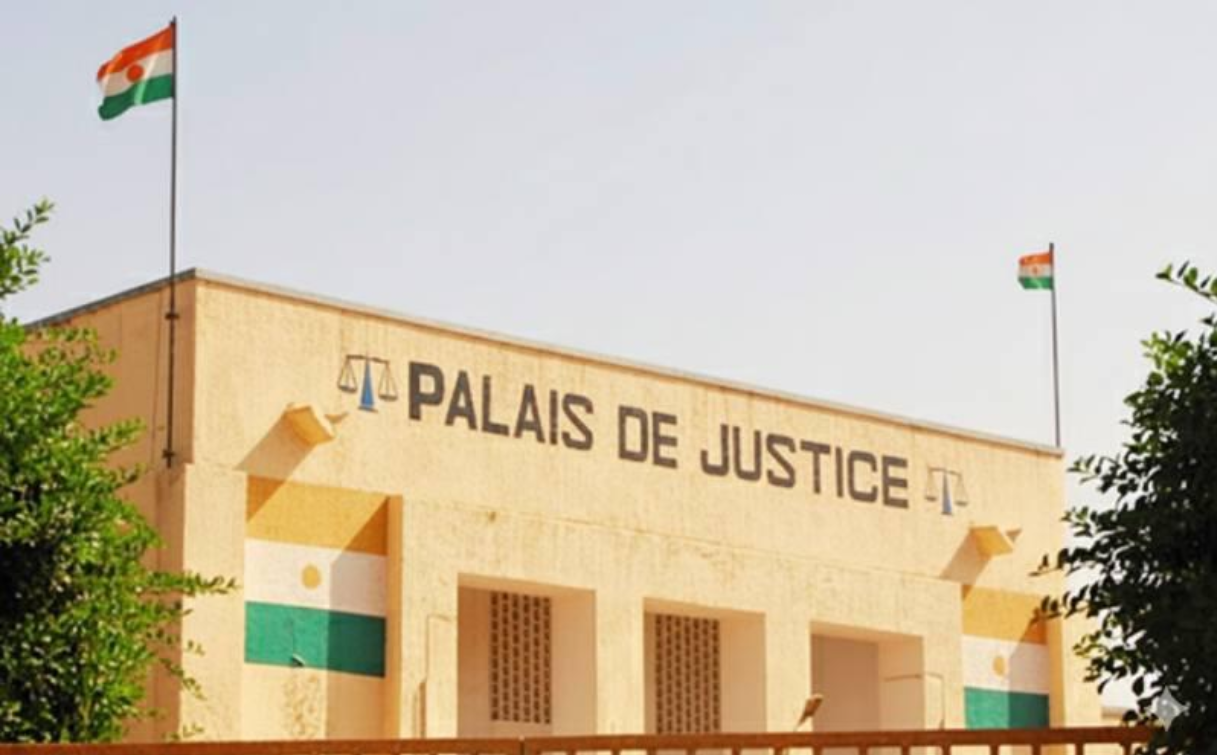
In a dramatic judicial escalation, Niger has placed former police inspector Habibou Oumarou Mamane—nicknamed “The Rebel”—along with ten others under pretrial detention following explosive television testimony alleging destabilization plots tied to Benin. The November 3, 2026 arrest marks a pivotal moment in a high-stakes dispute that has rattled diplomatic and security relations between Niamey and Cotonou.
Habibou Oumarou Mamane’s televised statements, broadcast on Niger’s public channel RTN on October 23, 2026, presented unverified claims of foreign-backed operations targeting Niger’s stability, including alleged involvement of Beninese intelligence-linked actors. While no official proof has been made public, the testimony has intensified regional scrutiny and fueled speculation about transnational destabilization networks operating across West Africa.
Televised accusations: what the ex-inspector revealed
During his nationally televised appearance, Habibou Oumarou Mamane described meetings with individuals he claimed were connected to Benin’s intelligence services. He asserted having been asked to help locate Lieutenant-Colonel Pascal Tigri, a Beninese military officer, in what he described as part of broader efforts to destabilize Niger’s government. The former inspector also implicated Nigerien exiles abroad in coordinating what he called “preparatory activities” for such operations.
These claims, though unproven in court, have gained traction amid a climate of deepening mistrust between Niger and Benin. The two nations have seen a steady erosion of trust over recent months, rooted in competing security narratives and overlapping regional instability.
Key claims from the testimony
- Foreign intelligence links: The former inspector pointed to alleged connectivity with Beninese intelligence structures.
- Exile networks involved: Nigerien expatriates reportedly participated in discussions involving destabilization.
- Targeted military figure: Reference to locating a high-ranking Beninese officer raised further concerns.
Despite the gravity of the accusations, public authorities in both countries have not confirmed any institutional involvement. Judicial and government responses remain cautious, with no official charges or evidence disclosed to date.
Benin responds: official denies any role in alleged plot
Amid the controversy, public figure Ange Chekaraou, named in Habibou Oumarou Mamane’s testimony, swiftly denied any involvement in the alleged activities. His public rebuttal underscores the polarized nature of the debate and highlights the absence of consensus on the authenticity of the claims.
While the denial provides clarity on one individual level, it does not resolve broader questions about potential institutional or systemic roles. The lack of verifiable evidence means accusations remain speculative, raising concerns about the reliability of the source and the motives behind the testimony.
Eleven arrested: what the detention means for Niger’s judicial process
The November 3 detention of Habibou Oumarou Mamane and ten co-defendants represents a critical phase in the unfolding case. However, it is crucial to distinguish between pretrial detention and definitive guilt. The judicial system has yet to establish concrete evidence, define charges, or link individuals to specific crimes.
Open questions persist: Are the claims corroborated by independent sources? Do intercepted communications or documented activities support the allegations? Without transparency from authorities, public trust in the process remains fragile.
Unanswered questions in the judicial case
- What specific charges have been filed against the detained individuals?
- Are there verified links between the accused and foreign destabilization networks?
- Has any external evidence been presented to support the whistleblower’s claims?
- What role do Nigerien exiles play in the alleged operations?
The judicial investigation is ongoing, and until findings are made public, all parties—including those cited indirectly—remain subject to the presumption of innocence.
Regional implications: how the case could reshape Niger-Benin relations
The fallout from this affair extends beyond legal proceedings. Tensions between Niamey and Cotonou were already elevated due to divergent perspectives on regional security, border management, and counterterrorism cooperation. The testimony by Habibou Oumarou Mamane has amplified these strains, introducing a new layer of suspicion and strategic uncertainty.
Diplomatic observers warn that unconfirmed accusations—especially those involving national intelligence services—can have long-term consequences, potentially eroding cooperation and fueling retaliatory measures. The absence of official responses from either government heightens the risk of miscommunication and escalation.
Why this case matters for West African stability
- Risk of misinformation: Unverified claims can destabilize public perception and interstate trust.
- Impact on intelligence cooperation: Accusations against intelligence services complicate future collaboration.
- Regional security posture: Any perceived foreign interference may trigger defensive policy shifts.
As the judicial process unfolds, both Niger and Benin face a delicate balance: addressing credible threats without succumbing to speculative narratives that could further destabilize the region.
What comes next? The path to clarity
For now, the facts are limited to the detention of eleven individuals and the existence of televised testimony. The road to truth lies in rigorous, transparent judicial proceedings that respect due process and public accountability. Until then, the case of Habibou Oumarou Mamane remains a flashpoint—one that has already reshaped the tone of Niger-Benin relations and raised urgent questions about the integrity of regional security narratives.

 Mariama Hamani