Boureima Amadou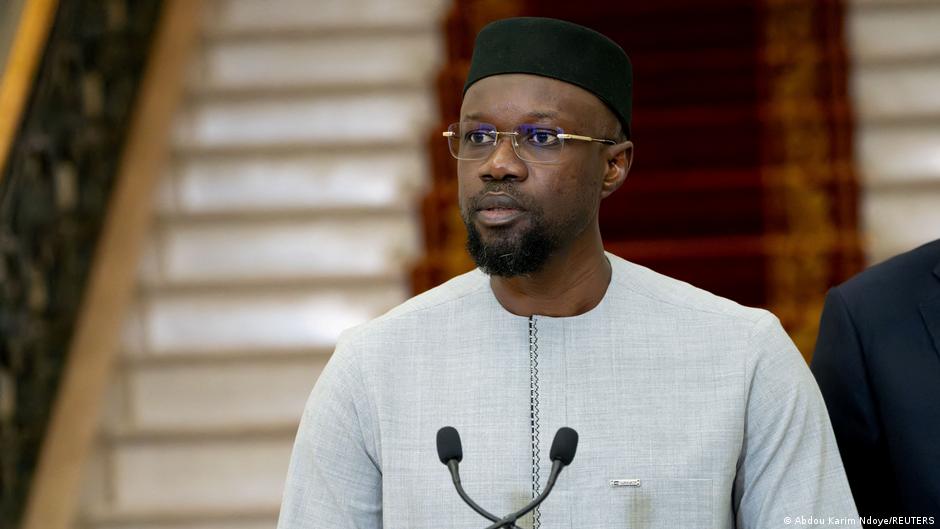
The Senegalese Constitutional Council has struck down the institutional reforms pushed by the Pastef party majority, dealing a fresh blow to opposition leader Ousmane Sonko. The decision, delivered yesterday, invalidates a legislative text that sought to redistribute powers among state institutions—a move presented by Sonko’s allies as a necessary rebalancing of governance.
The ruling comes after President Bassirou Diomaye Faye personally referred the law to the Constitutional Council, which identified two critical flaws: the absence of a funding mechanism for the proposed constitutional court and procedural violations during parliamentary debates on government amendments. These breaches, the Council ruled, directly contravened constitutional provisions.

Reactions and political fallout
Former MP Adji Diarra Mergane Kanouté, leader of the USD/A party and head of the *Ensemble Demain* coalition, argues the ruling does not close the door on future reforms—provided they comply strictly with constitutional requirements. “While the Council has rejected this draft law, it does not preclude lawmakers from initiating new revisions,” she noted. “However, any proposal involving public expenditure—such as funding elections or a constitutional court—must include compensatory revenue, as stipulated in Article 82 of the Constitution.” She also highlighted procedural breaches, including the National Assembly’s refusal to apply the government’s request for a blocked vote, which the Council deemed unconstitutional.
Expanding parliamentary oversight
Among the proposed measures was an attempt to strengthen parliamentary investigative powers, particularly in reviewing contracts for natural resource exploitation and broadening oversight into previously restricted sectors. The Council’s ruling effectively halts these ambitions for now.
Ousmane Sonko acknowledged the decision in a social media statement, while the presidential coalition emphasized the proper functioning of institutions and the need to continue reform discussions constructively. Dr. Binette Ndiaye, coordinator of the *Forum Citoyen*, praised the Council’s decision as a safeguard for democratic inclusivity: “We must remember this is a republic, not a one-party state. Even with a majority, we must consider the views of all citizens. The Council’s intervention was a necessary reminder of that principle.”

A nation divided at the top
This constitutional setback occurs amid deepening rifts between Sonko and President Bassirou Diomaye Faye. Sonko, who was removed from the premiership in May, had since taken the helm of the National Assembly. Yet public remarks from both sides now openly frame their relationship as one of “cohabitation”—a term traditionally associated with divided executive-legislative power struggles. Analysts warn this judicial rejection may signal the opening of a prolonged chapter in Senegal’s political saga, with lasting consequences for governance and stability.
The Council’s decision underscores a broader constitutional debate: Can sweeping institutional reforms be implemented without broad consensus, or must they always reflect the checks and balances designed to protect democratic governance?

 Mariama Hamani