Boureima Amadou
PASTEF’s decisive rejection of Senegal’s 2026 rectified budget bill
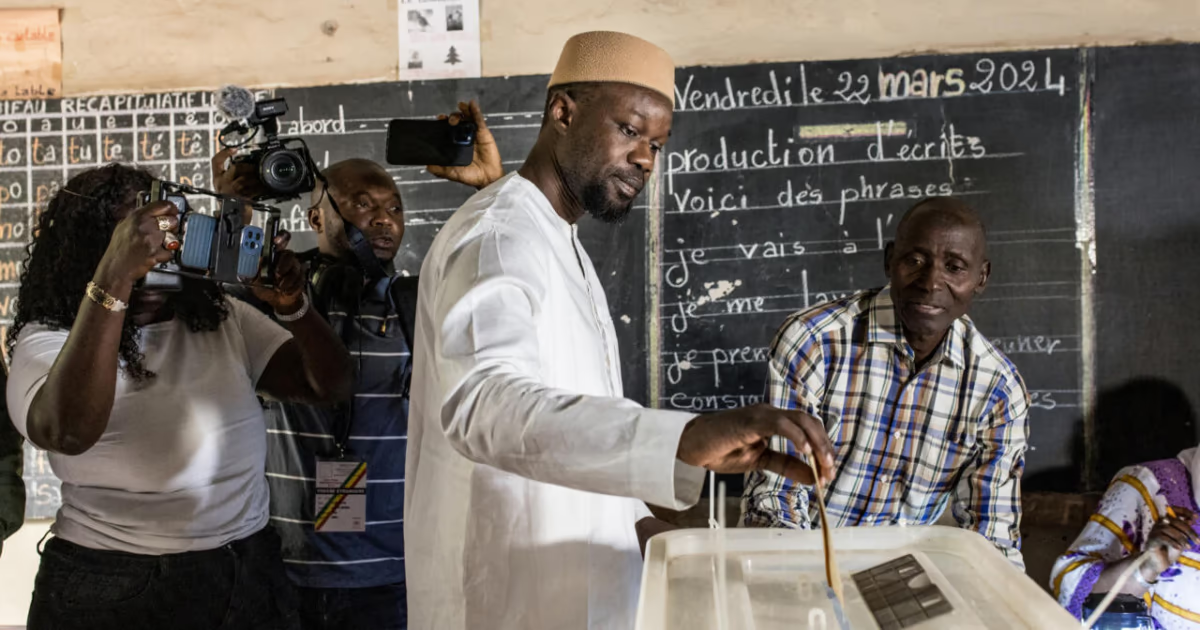
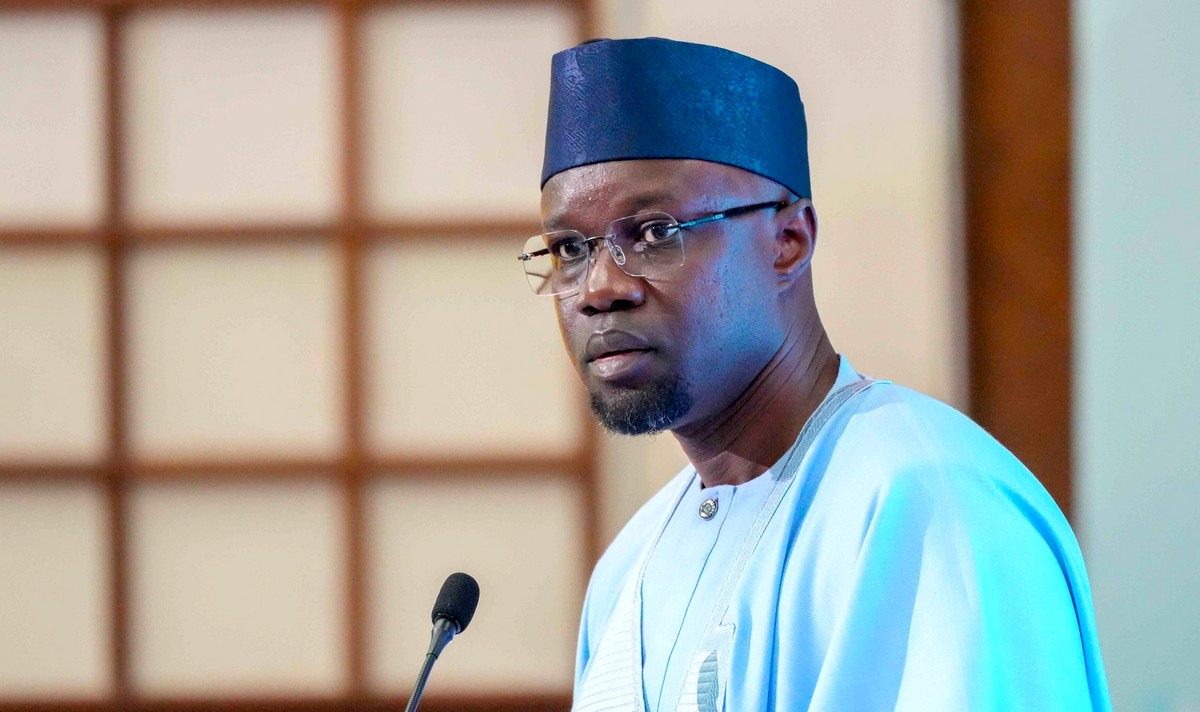
Senegal is bracing for intense parliamentary debates as Ousmane Sonko, leader of the PASTEF party, publicly rejected the government’s 2026 Rectified Finance Law (LFR) in its current form. During a press conference on October 19, 2026, Sonko announced that PASTEF deputies would withhold their votes, citing critical concerns over social spending cuts, reduced fuel subsidies, and broader economic priorities that fail to align with national development goals.
The opposition leader condemned budgetary decisions affecting key sectors such as education, vocational training, employment, and public investment. He emphasized that these cuts contradict the Agenda for National Transformation and called for urgent corrections before the bill proceeds to final parliamentary review.
Fuel subsidy cuts spark widespread backlash
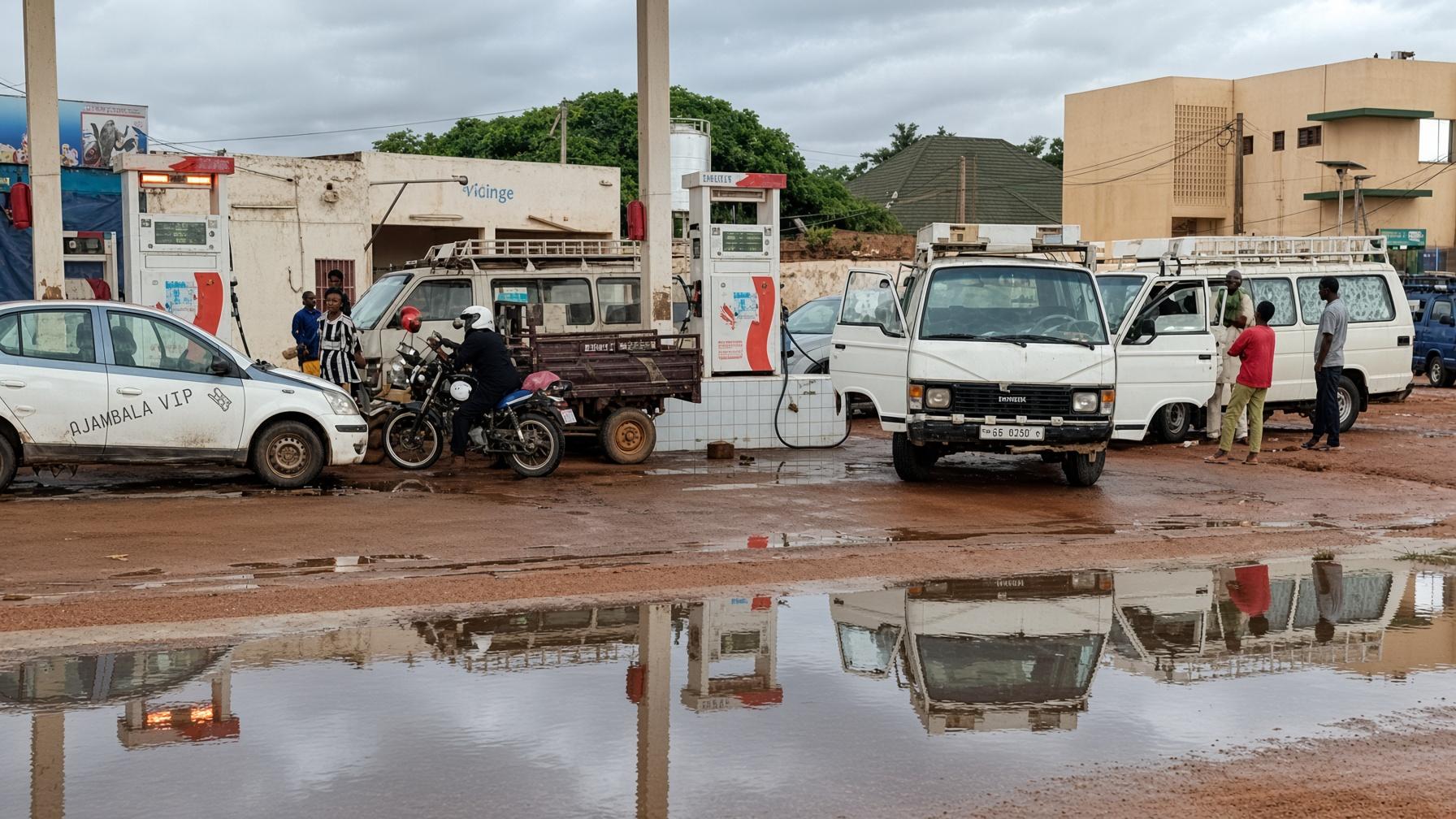
Sonko pointed to fuel subsidy reductions as a direct consequence of Senegal’s commitments to the International Monetary Fund (IMF), warning that such measures could trigger fuel price hikes and inflate the cost of living for households and businesses. He argued that proposed social compensation measures would be insufficient to shield vulnerable populations, particularly questioning the allocation for the Bourse de Sécurité Familiale.
Public debt management and IMF negotiations under scrutiny
The PASTEF leader criticized the government’s heavy reliance on debt restructuring and austerity measures that disproportionately burden citizens. He advocated for alternative strategies, including boosting national revenue mobilization, reforming tax policies, and protecting priority investments. Sonko also urged a reevaluation of Senegal’s IMF cooperation terms to safeguard economic sovereignty and social stability.
A clash over economic priorities
Sonko defended the Economic and Social Recovery Plan (PRES), which he helped develop during his tenure as Prime Minister, highlighting its success in mobilizing approximately 300 billion CFA francs. However, he accused the current administration of deviating from PRES objectives, particularly in taxation and economic activity monitoring, creating further fiscal inconsistencies.
Demanding transparency in public fund management
The opposition chief also called for stricter regulations on special funds, emphasizing the need for legal frameworks that enhance transparency and parliamentary oversight of public spending. He stressed that fiscal policies must balance budgetary consolidation with social equity and efficient resource allocation.
Sonko challenges Prime Minister Oumar Aminata Touré to a public fiscal debate
Beyond policy disagreements, Sonko extended an invitation to Prime Minister Oumar Aminata Touré for a televised public debate on Senegal’s economic and financial challenges. He framed the discussion as an opportunity to present numbers, budgetary strategies, and stakeholder proposals directly to citizens amid growing public concern over purchasing power erosion and debt management.
Parliamentary standoff intensifies ahead of budget vote
PASTEF’s refusal to endorse the LFR 2026 in its present state sets the stage for heated negotiations. While potential amendments could reshape the bill, broader issues—including 2027 investment choices, social spending, debt sustainability, and funding mechanisms—are also expected to dominate upcoming budget discussions. Sonko concluded with a call for constructive dialogue, stating, «We stand ready for an open and sincere discussion with the Government to achieve a balanced compromise that addresses both economic imperatives and the welfare of Senegalese citizens.»

 Mariama Hamani