Mariama Hamani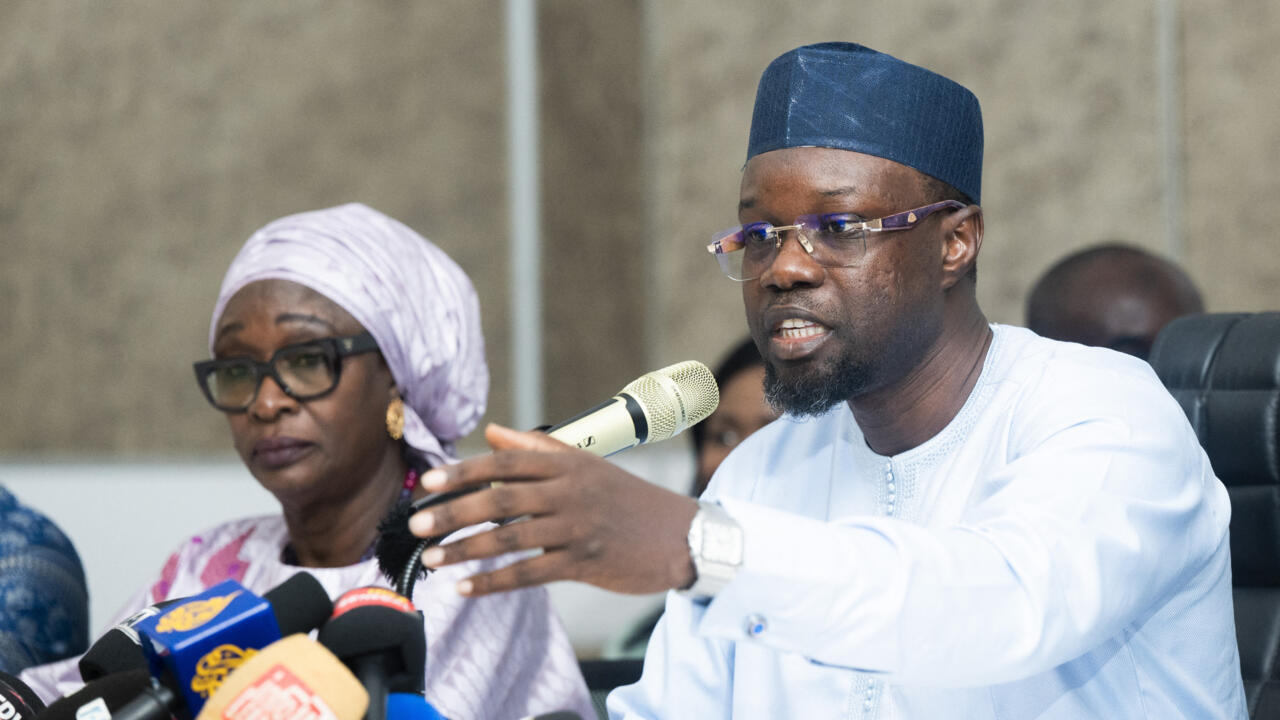
Senatorial leader Ousmane Sonko fires back after removal from office
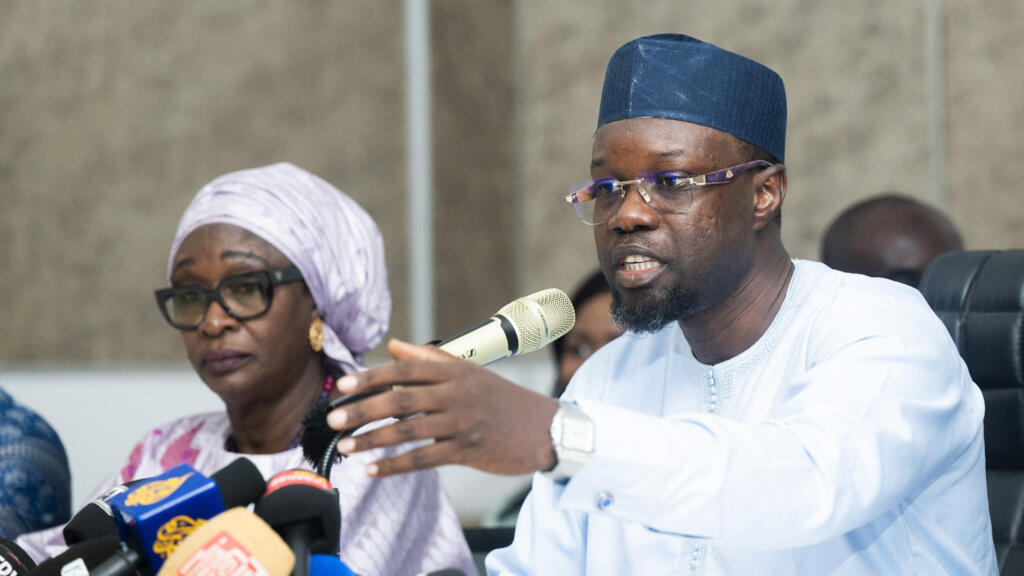
A week after President Bassirou Diomaye Faye’s decision to dismiss him, Senegalese opposition leader Ousmane Sonko has launched a sharp counterattack. Speaking at a press conference in Dakar, Sonko, leader of the Pastef party and former prime minister, did not mince his words in criticizing the president’s leadership choices.
Despite vowing not to destabilize state institutions, Sonko emphasized that his party’s parliamentary majority could trigger a no-confidence motion to topple the government at any time. He accused the president of ignoring warnings about the political cohabitation risks that now define Senegal’s governance landscape. “We have a government lacking fundamental political legitimacy,” he declared, dismissing the coalition promoted by the presidency as irrelevant. “This so-called coalition represents nothing.”
Government legitimacy under scrutiny
Sonko argued that the current administration’s reliance on technocratic appointees is merely a façade for its political isolation. He stressed that Pastef, as the country’s leading political force with 130 of 165 parliamentary seats, holds the true mandate from the people. “Governing without us is governing without the people,” he asserted, reinforcing his party’s claim to represent popular will.
The former prime minister’s remarks have intensified pressure on President Faye’s camp, which now faces the challenge of implementing its agenda without the support of the majority parliamentary bloc. Political analysts warn that this rift within the ruling coalition could jeopardize legislative progress and broader reform initiatives.
“The absence of Pastef in government creates an unprecedented political dilemma,” noted observers. “While the president retains constitutional authority, his ability to execute reforms depends heavily on maintaining trust with the Pastef-dominated parliament.”
A fracture beyond traditional cohabitation
Pastef’s refusal to participate in the government has created a unique political dynamic in Senegal. Unlike standard cohabitation scenarios where opposing factions share power, this situation represents a deeper rupture within the same movement. Analysts describe it as a risky departure from conventional governance, where one faction of the ruling coalition holds absolute parliamentary dominance while remaining outside the executive structure.
“How can a technocratic government without its own parliamentary base govern effectively when the majority party, led by Sonko, simultaneously mobilizes millions of supporters across the country?” questioned political commentators. The answer, they suggest, may unfold in the coming weeks through legislative debates, street protests, and behind-the-scenes negotiations.
With the political landscape in flux, all eyes are on Pastef’s next moves. The party’s 130 deputies could reshape the government’s trajectory at any moment, raising questions about the sustainability of the current administration’s policies.


 Boureima Amadou