Boureima Amadou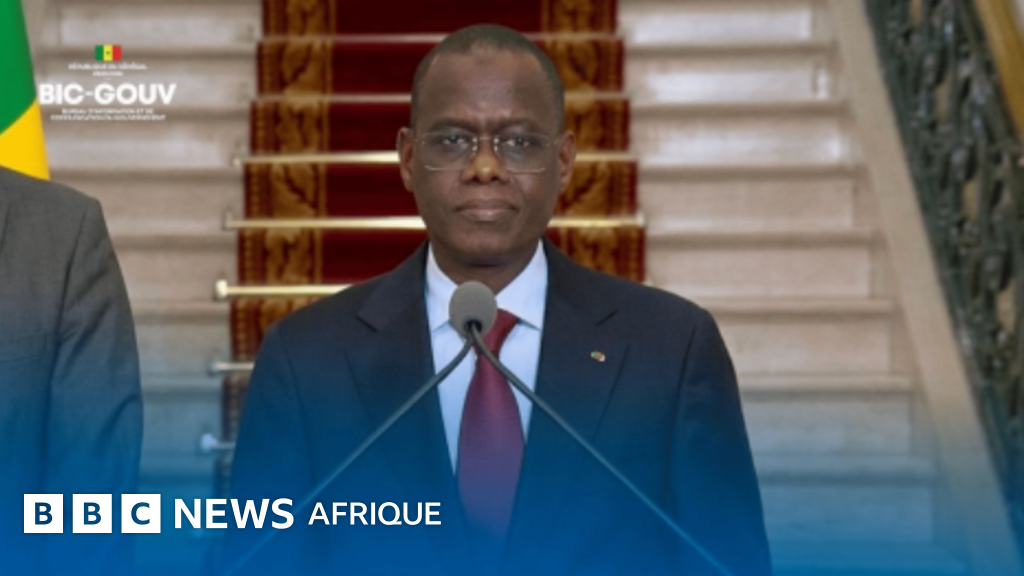
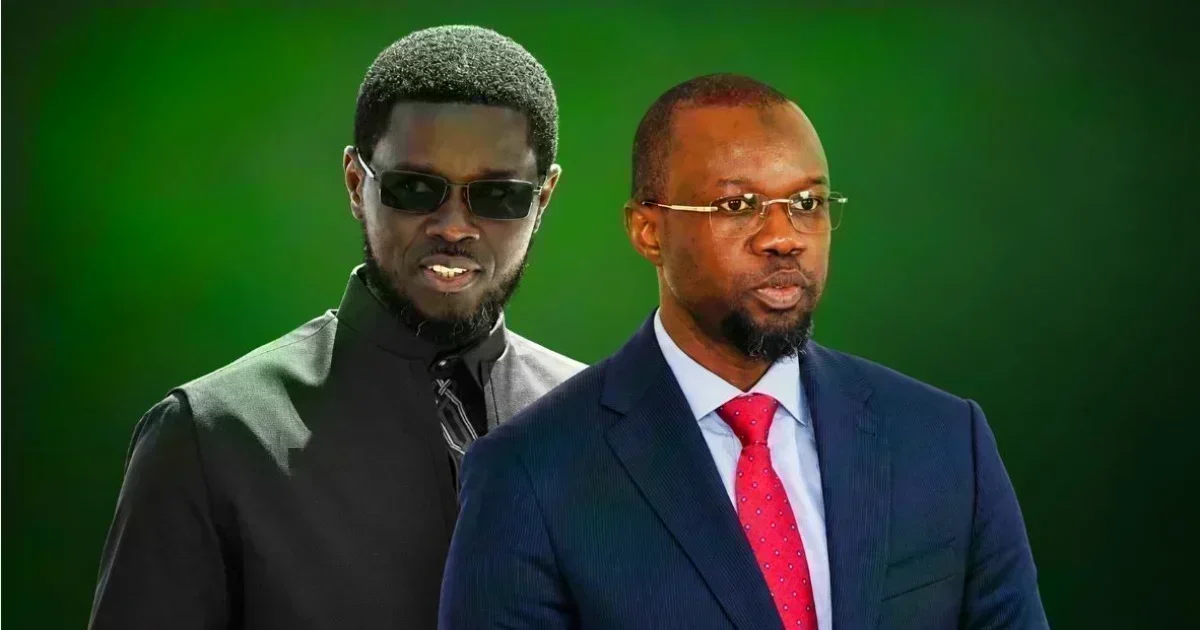
The newly unveiled government in Sénégal, led by Prime Minister Ahmadou Al Amine Mohamed Lo, marks a strategic shift in the country’s political landscape. Announced by President Bassirou Diomaye Faye just ten days after dismissing former Prime Minister Ousmane Sonko, the 30-member cabinet—comprising 26 ministers and four deputy ministers—faces the daunting task of addressing Sénégal’s spiraling debt crisis while navigating complex political dynamics.
a cabinet without parliamentary backing
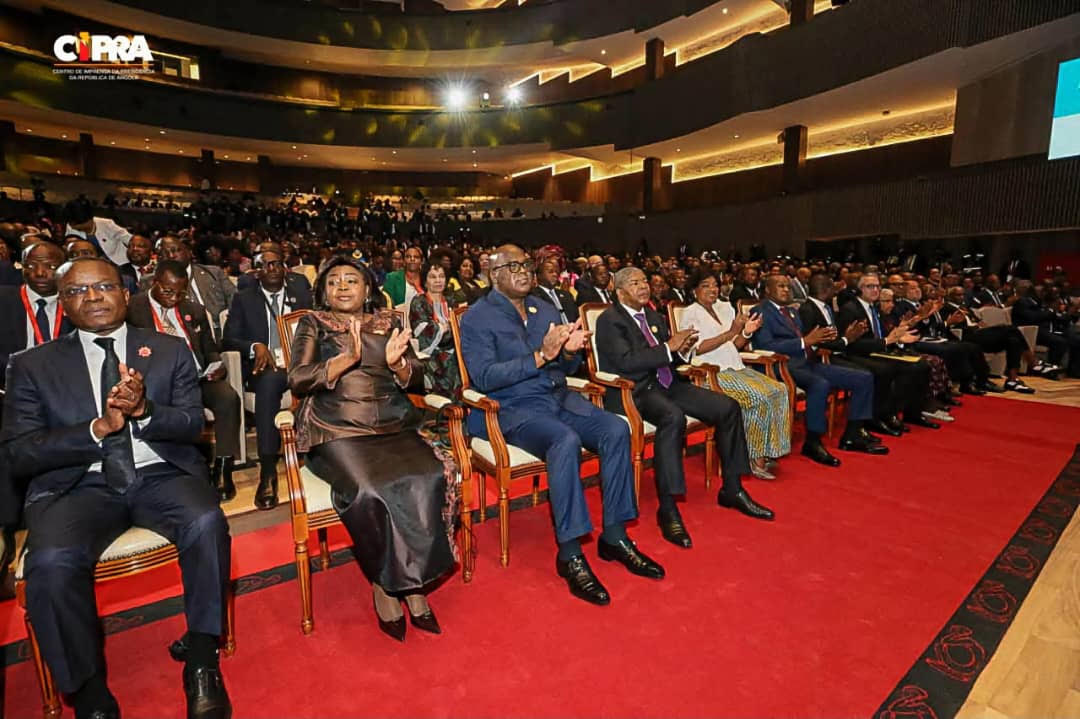
One of the most striking features of the new government is its lack of a clear parliamentary majority. The Patriotes Africains du Sénégal pour le Travail, l’Éthique et la Fraternité (PASTEF), the party that spearheaded the president’s election, has publicly rejected participation in the cabinet, citing ‘profound disagreements’ with the administration. This decision led to the departure of several high-profile figures from PASTEF, including Birame Souley Diop (Energy), Yacine Fall (Justice), and Amadou Ba (Culture).
Despite the party’s boycott, a few former PASTEF members have been retained in the new government, such as Balla Moussa Fofana (Urban Planning and Territorial Development) and Cheikh Diba (Finance, Economy, and Planning). Meanwhile, new faces from PASTEF, including Cheikh Tidiane Dieye (Sanitation) and Moustapha Guirassy (National Education), have been brought into the fold. The Coalition Diomaye, a key ally of the president, has secured six ministerial positions, with El Hadj Abdourahmane Diouf taking charge of Energy and Petroleum—a critical portfolio given the country’s debt challenges.
underrepresentation of women persists
With only four women in a 30-member cabinet—down from five in the previous, larger team—the new government falls short of gender parity goals. Three of these women hold full ministerial portfolios, while one serves as a deputy minister. The appointees include Marie Angélique Mame Selbé Diouf (Family, Social Action, and Solidarity), Djirèye Clotilde Coly (Sports and Youth), Ami Mara (Fisheries and Maritime Economy), and Mame Coumba Diop (Culture, Creative Industries, and Historical Heritage, attached to the Ministry of Culture).
Women’s rights advocates have criticized the lack of representation. Dr. Coumba Mar Gadio of the African Women Leaders Network (AWLN) Sénégal pointed out that the cabinet ‘does not reflect the demographic weight of women in Sénégambian society nor their expertise in strategic sectors.’ She urged the government to take corrective measures to ‘strengthen women’s presence in decision-making spheres,’ emphasizing that many ministries could benefit from their competencies.
The 2010 parity law, which guarantees women equal access to representation and decision-making roles, has so far been limited to elective positions in fully or partially elected institutions.
debt crisis and potential FMI negotiations loom large
Sénégal’s economic challenges are front and center, with a crippling debt load—including an estimated $7 billion in hidden debt inherited from the previous administration—threatening the country’s stability. The new government has so far resisted calls for debt restructuring, but economists warn that this stance may need to change. Amath Ndiaye, an economist at the Université Cheikh Anta Diop, noted that the economic downturn, rising unemployment, and sluggish growth forecasts (2.2% to 2.5% for 2026) make an agreement with the International Monetary Fund (FMI) increasingly necessary.
‘The government is caught between two contradictory imperatives,’ Ndiaye explained. ‘On one hand, it must secure an agreement with the FMI to reprofile or restructure the debt sustainably, which could impact subsidies across key sectors. On the other, it must address pressing social demands, including the high cost of living, persistent unemployment, and public service improvements.’ The challenge lies in balancing these competing priorities without triggering social unrest or economic instability.
an unprecedented political cohabitation
The political landscape in Sénégal has entered uncharted territory. The majority bloc in the National Assembly, dominated by PASTEF, is now led by Ousmane Sonko, who was recently elected Speaker. This creates a situation of cohabitation, where the presidency and parliament, though aligned ideologically, are now led by figures with divergent visions for the country. Moussa Diaw, a political science professor at the Université Gaston Berger, described the scenario as ‘unprecedented,’ highlighting the deep rifts over accountability, debt resolution, and justice for victims of the 2021-2024 protests.
‘The lack of convergence on policy direction has led to a real cohabitation, where the government must govern without a majority while the parliament, controlled by PASTEF, sets its own conditions,’ Diaw observed. ‘This delicate balance requires maturity and responsibility from both the president and the Speaker to avoid institutional crises.’ The government’s limited maneuverability, he added, means Prime Minister Al Amine Lo must tread carefully to avoid standoffs with the legislature.
constitutional clarity must guide power dynamics
To navigate this complex environment, Moussa Diaw emphasized the need for both the presidency and the National Assembly to prioritize Sénégal’s interests above all else. ‘Each institution has its constitutional prerogatives, and both must exercise them responsibly to avoid crises,’ he said. ‘The president and the Speaker must engage in constructive dialogue, set aside political ambitions, and focus on the greater good.’ Failure to do so could exacerbate tensions and paralyze governance in a time of economic hardship.
The success of this new government hinges on its ability to reconcile these competing pressures—political, economic, and social—while maintaining institutional stability. How it manages this delicate dance will shape Sénégal’s trajectory in the months and years ahead.