
Sénégal: constitutional reform proposed by Pastef party struck down by top court
Constitutional Council blocks key reform
The Constitutional Council of Sénégal has invalidated the institutional reform bill proposed by the ruling Pastef party, citing constitutional violations. The decision, delivered on Thursday, halts a central pillar of the party’s reform agenda, which aimed to rebalance institutional powers in favor of the legislature.
The reform, which passed through the National Assembly where Pastef holds a strong majority, proposed several significant changes, including the creation of a new constitutional court. However, the Council identified two critical flaws: the absence of a dedicated funding mechanism for the future court and procedural irregularities during the examination of government amendments.
The Council’s ruling came in response to a referral by President Bassirou Diomaye Faye, underscoring the growing divisions between the executive and legislative branches.
Political reactions and implications
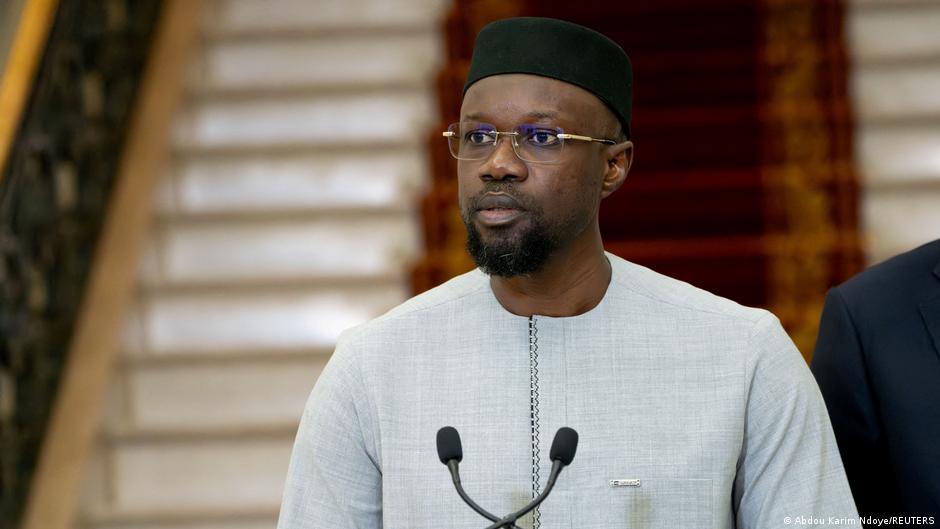
Ousmane Sonko acknowledged the Council’s decision in a public statement, signaling his acceptance of the ruling despite its political consequences. Meanwhile, the presidential coalition emphasized the importance of institutional checks and balances, calling for continued dialogue on reform.
Adji Diarra Mergane Kanouté, former MP and leader of the USD/A party, argued that while the ruling marks a setback for the reform, it does not close the door entirely. She highlighted that any future legislative initiative must adhere to constitutional procedures, particularly regarding public expenditure and parliamentary rules.
“The Council’s decision underscores that even with a majority, constitutional principles must prevail. The reform’s flaws were not merely procedural but substantive, especially concerning financial provisions and legislative process. This is a reminder that governance in Sénégal requires inclusivity and respect for democratic norms,” she stated.
Deepening political tensions
The Council’s decision arrives amid escalating tensions between Sonko and President Faye. Sonko, who was removed from the Prime Minister’s office in May, has since taken up the presidency of the National Assembly. His recent remarks about a “cohabitation” scenario with the President have fueled speculation about a widening rift within the ruling coalition.
Observers suggest that this ruling may further strain relations between the two leaders, potentially reshaping the political landscape ahead of future elections. The invalidation of the reform could also embolden opposition parties and civil society groups critical of the government’s approach to constitutional change.
Dr. Binette Ndiaye, coordinator of the Citizen Forum, praised the Council’s decision, emphasizing the need for inclusive governance. “This ruling is a victory for democratic principles. It reaffirms that constitutional reforms cannot be imposed unilaterally, even by a majority. The absence of prior consultation with stakeholders was a major flaw in the process,” she noted.
What’s next for governance in Sénégal?
The government now faces a critical juncture. While the immediate focus is on addressing the Council’s concerns, the broader challenge lies in rebuilding trust with civil society and opposition figures. The ruling could serve as a catalyst for more inclusive policy-making, ensuring that future reforms reflect the diverse interests of the nation.
The political fallout from this decision may also influence strategic decisions ahead, particularly in the lead-up to local and legislative elections. For now, the spotlight remains on Sénégal as it navigates this period of heightened political scrutiny and institutional accountability.



More Stories
Thierno Bocoum demands full disclosure on Senegal’s new IMF deal
Ousmane sonko demands transparency on Senegal’s new imf agreement
Senegal’s political crossroads: the institutional friction between Ousmane Sonko and Bassirou Diomaye Faye