Boureima Amadou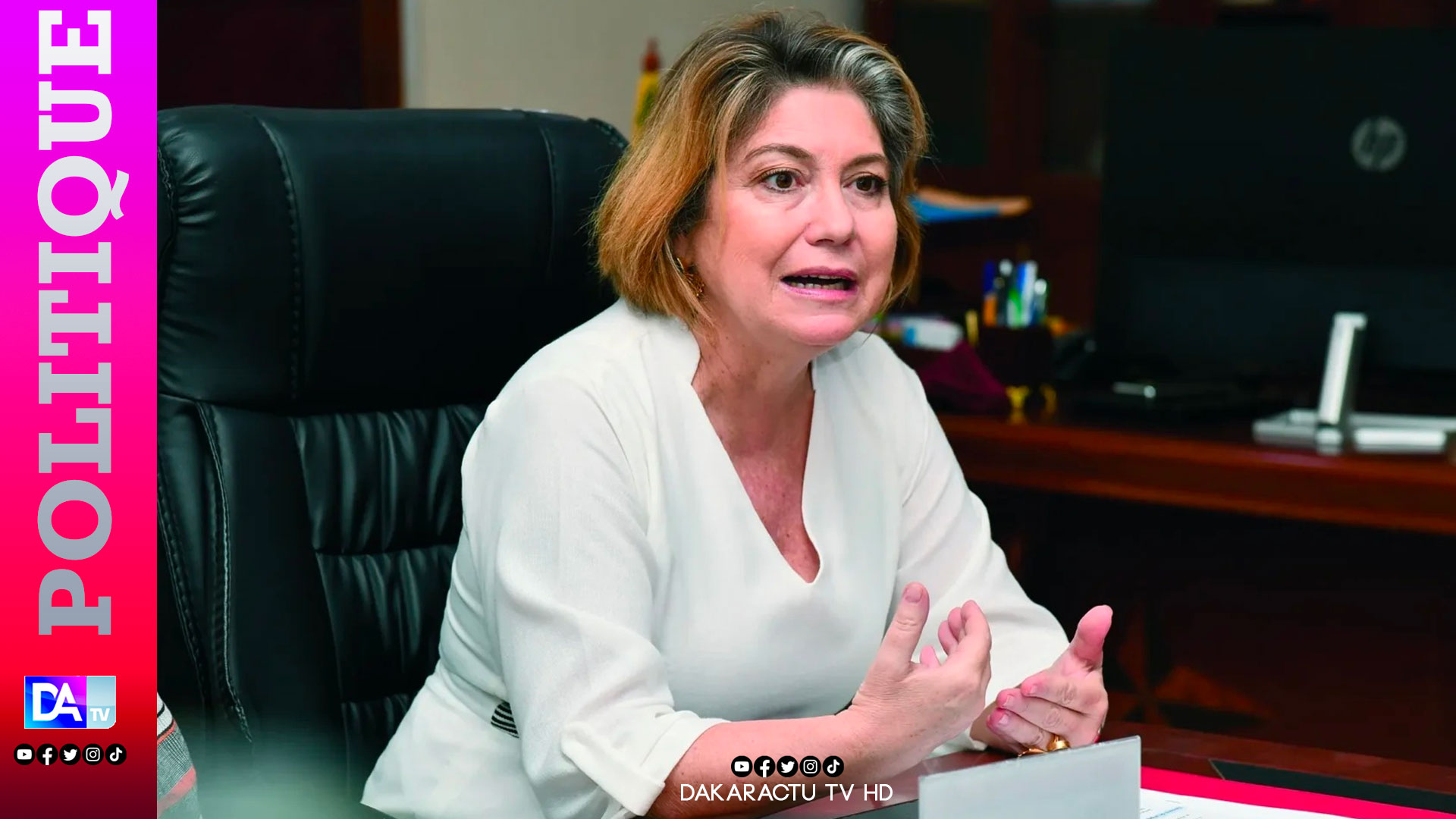
The strength of the Senegal–France relationship lies in mutual respect and shared strategic interests, according to Ambassador Christine Fages. In a candid discussion, she emphasizes that sovereignty is not a barrier but a foundation for deeper cooperation between the two nations, even amid political transitions in Dakar.
Reflecting on the evolving dynamics of bilateral ties, Fages dismisses notions of persistent tension, highlighting the robust institutional mechanisms both countries rely on to address sensitive issues. “The more Senegal asserts its strategic priorities, the smoother its engagements with partners become,” she asserts. This philosophy underscores her vision for a partnership built on clarity, trust, and mutual benefit.
visa procedures and the fight against fraud
The Ambassador also addresses pressing concerns surrounding visa applications, a topic that has drawn significant public scrutiny. With France processing around 53,000 visa requests annually in Senegal—nearly half of all EU visa applications in the country—Fages acknowledges delays but warns against falling prey to unscrupulous intermediaries.
“No legitimate service should require payment for an appointment,” she cautions. Applicants are urged to verify official channels and remain vigilant against scams involving fake documents or inflated fees. The French Embassy reiterates its commitment to transparency throughout the process.
confronting a painful chapter: thiarioye 44
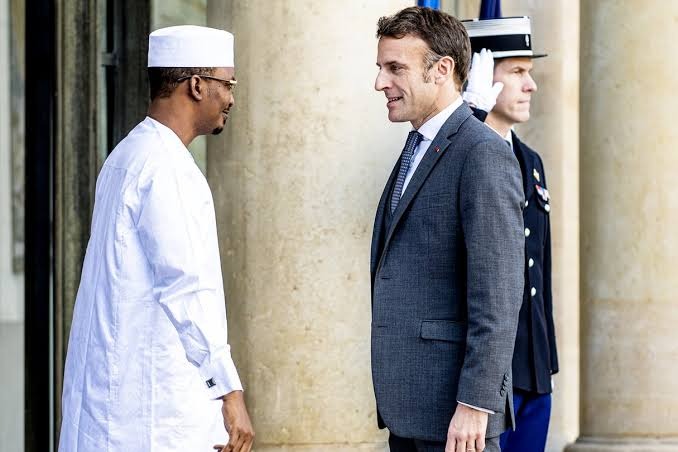
History remains a pivotal aspect of Senegal–France relations, particularly regarding the Thiarioye 44 tragedy. Ambassador Fages confirms that French President Emmanuel Macron has publicly acknowledged the massacre and France’s role, paving the way for collaborative historical research.
The two nations are now working closely to uncover the truth, with Paris providing archival materials and offering technical support to facilitate academic investigations. “Memory is a shared responsibility,” she notes, emphasizing the importance of confronting the past to build a more transparent future.
cultural heritage and restitution efforts
The restitution of Senegalese cultural artifacts held in France takes center stage in the dialogue. Fages highlights the 2021 return of the sabre d’El Hadj Oumar Foutiyou Tall as a milestone, while outlining the meticulous process required for future repatriations.
Thousands of Senegalese cultural items remain in French collections, and Paris is actively reviewing their provenance to determine eligibility for restitution. The goal is to ensure that each return is both legally sound and culturally significant.
economic cooperation and global partnerships
On economic matters, Fages reaffirms France’s unwavering support for Senegal’s engagement with the International Monetary Fund (IMF). Despite challenges in finalizing a new program, she stresses the interdependence of the two institutions and the shared commitment to sustainable development.
“A strong Senegal benefits both our economies,” she states, underscoring France’s role in facilitating dialogue at the international level. The partnership extends beyond bilateral agreements, reflecting a broader alignment on global governance issues.
a personal connection to Senegal’s culture
As Senegal’s first female French Ambassador, Christine Fages shares her deep appreciation for the country’s traditions. She fondly describes ataya—the communal tea ceremony—as a symbol of Senegalese hospitality and values like patience and connection.
“It’s more than a drink; it’s an experience of togetherness,” she reflects. This cultural insight offers a glimpse into her personal journey and the warmth she has encountered in Dakar, reinforcing the human dimension of diplomacy.


 Mariama Hamani