Mariama Hamani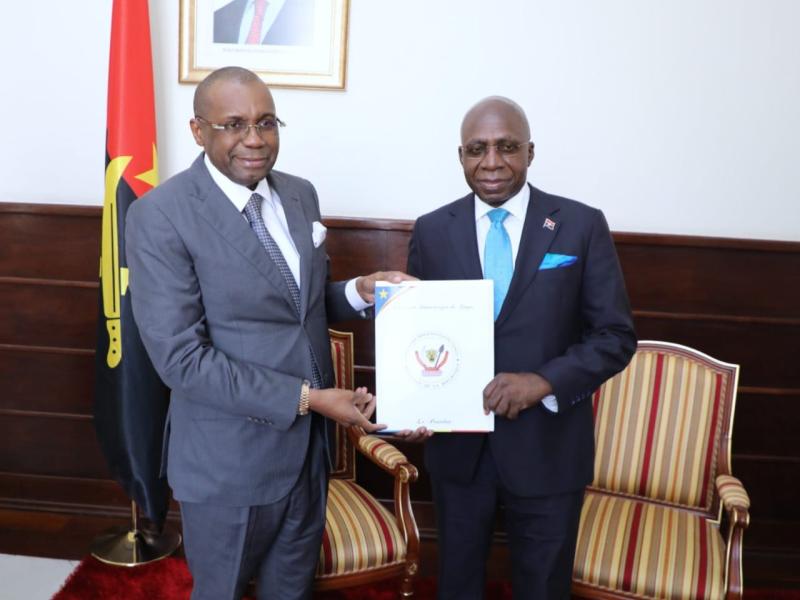
In a significant diplomatic move, President Félix Tshisekedi of the Democratic Republic of the Congo (DRC) officially conveyed a message to his Angolan counterpart, João Lourenço, on Friday, July 10, 2026. The correspondence, delivered by Antoine Ghonda Mangalibi, DRC’s itinerant ambassador, was formally presented to Tete António, Angola’s Minister of External Relations, in Luanda.
Context of escalating tensions
The exchange follows a period of heightened regional instability, particularly in eastern DRC, where the M23 rebellion—backed by Rwanda—continues to occupy substantial territories in North Kivu and South Kivu provinces. Diplomatic efforts in Washington and Doha have yet to yield a sustainable resolution to the conflict, prompting intensified regional consultations.
Regional consultations and political climate
This diplomatic initiative comes amid a flurry of high-level engagements across the Great Lakes region. Kinshasa and Luanda have maintained regular dialogue focused on bilateral relations and regional peace and security. The move follows consultations led by Burundi’s President Évariste Ndayishimiye—current Chairperson of the African Union—with religious leaders and opposition figures in the DRC.
Another key diplomatic milestone involved President Tshisekedi’s visit to Brazzaville to meet with his Congolese counterpart, Denis Sassou Nguesso. This meeting followed a state visit by President Ndayishimiye to Kinshasa, during which he engaged with Congolese political and religious leaders to discuss the nation’s political climate.
Background of diplomatic efforts
In February 2026, a high-level meeting in Luanda tasked Angola with leading consultations among Congolese stakeholders to prepare for an inclusive inter-Congolese dialogue. The decision, announced in a communiqué by the Angolan presidency, involved João Lourenço—then Chair of the African Union—alongside President Tshisekedi, Togolese Prime Minister Faure Gnassingbé (designated AU mediator), and former African heads of state Olusegun Obasanjo (representing the AU facilitation panel).
Despite ongoing exchanges between Kinshasa and Luanda, progress toward a dialogue remains stalled. Reports indicate persistent disagreements over its structure and the inclusion of key stakeholders. This diplomatic impasse underscores the challenges facing efforts to stabilize the region.

 Boureima Amadou