Boureima Amadou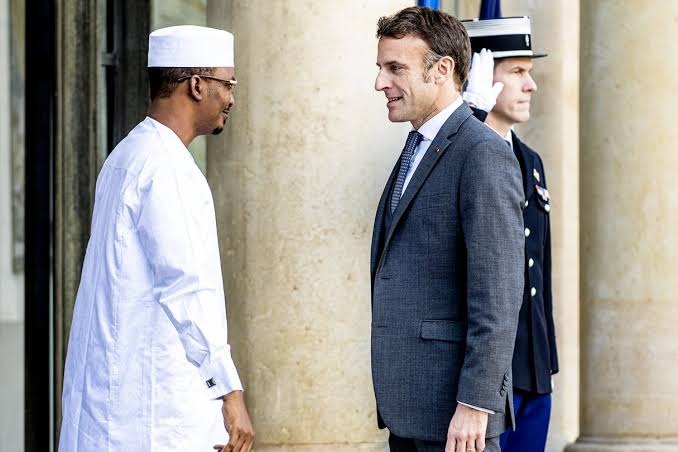
The strategic reset between France and Chad reached a critical milestone on October 13, 2026, as both nations inked a landmark defense cooperation agreement in Paris. The declaration, signed by top defense officials, marks a deliberate shift from previous military arrangements and signals Paris’s evolving engagement in the Sahel region.
What the new defense pact with Chad entails
At the heart of the October 13 agreement is a revamped framework centered on knowledge sharing, technical assistance, and joint defense initiatives. Unlike past military cooperation models, this pact focuses on building Chad’s indigenous capabilities through structured training, technology transfers, and sector-specific expertise. The document explicitly avoids provisions for permanent French troop deployments, signaling a departure from past bilateral defense structures.
Why Chad remains vital to French strategy in the Sahel
Geopolitically, Chad is a linchpin in the Sahel. Nestled between Sudan, Libya, and the volatile Lake Chad basin, it sits at the crossroads of multiple security crises. The new pact prioritizes border security, counterterrorism, and regional stabilization—areas where Chad’s armed forces are expected to play an expanded role. Analysts view this partnership as a strategic hedge against regional fragmentation following recent military withdrawals in Mali, Burkina Faso, and Niger.
This shift reflects France’s pivot from large-scale, permanent deployments to a model grounded in bilateral expertise and localized support—one tailored to the evolving security landscape of the Sahel.
A delicate diplomatic balance in the face of regional tensions
The timing of the agreement coincides with heightened tensions between France and Niger. Following a reported coup attempt in Niamey in late August 2026, Niger accused both France and Chad of involvement—a claim both countries vehemently denied. The proximity between Chad and Niger amplifies the sensitivity of this partnership, especially as regional governments adopt increasingly autonomous defense policies.
The newly signed pact deliberately avoids referencing Niger or broader regional blocs, focusing solely on the bilateral relationship between Paris and N’Djamena. This move underscores Chad’s role as a sovereign partner rather than a proxy in broader military strategies.
Beyond defense: economic and cultural cooperation take center stage
Infrastructure and energy lead the economic roadmap
The October 13 meeting also charted a new economic trajectory for bilateral relations. Both leaders committed to deepening trade in infrastructure, renewable energy, healthcare, transportation, and education. This reflects a conscious effort to move beyond a historically military-dominated partnership and foster sustainable development in Chad, where public services and youth employment remain urgent priorities.
Strengthening ties through shared sovereignty
Unlike past arrangements, the renewed focus on economic and cultural exchanges empowers local stakeholders. The pact pledges targeted investments in Chadian industries, vocational training programs, and cross-border initiatives—measures designed to address the daily needs of citizens while reinforcing national resilience against external pressures.
A new chapter for French diplomacy in the Sahel
This defense pact is more than a security agreement—it’s a diplomatic reset. For France, it signals a recalibration of its Sahel strategy, now centered on capacity-building, technological collaboration, and sovereignty-aligned partnerships. For Chad, it offers an opportunity to modernize its defense sector while asserting full autonomy over its strategic decisions.
As both nations move forward, the pact serves as a litmus test for France’s ability to rebuild influence in a region marked by shifting alliances and growing anti-French sentiment. The success of this model will likely shape future engagements across the Sahel, offering a blueprint for cooperation that balances security imperatives with local ownership.


 Mariama Hamani