Diplomacy
Saudi Arabia, Qatar, Turkey and Iran challenge Morocco’s African influence
Massive mosque openings, religious leader training programs, and charitable initiatives – Morocco’s rivals in Africa are deploying substantial financial resources. Yet, the guaranteed success of these efforts remains uncertain.

Updated on
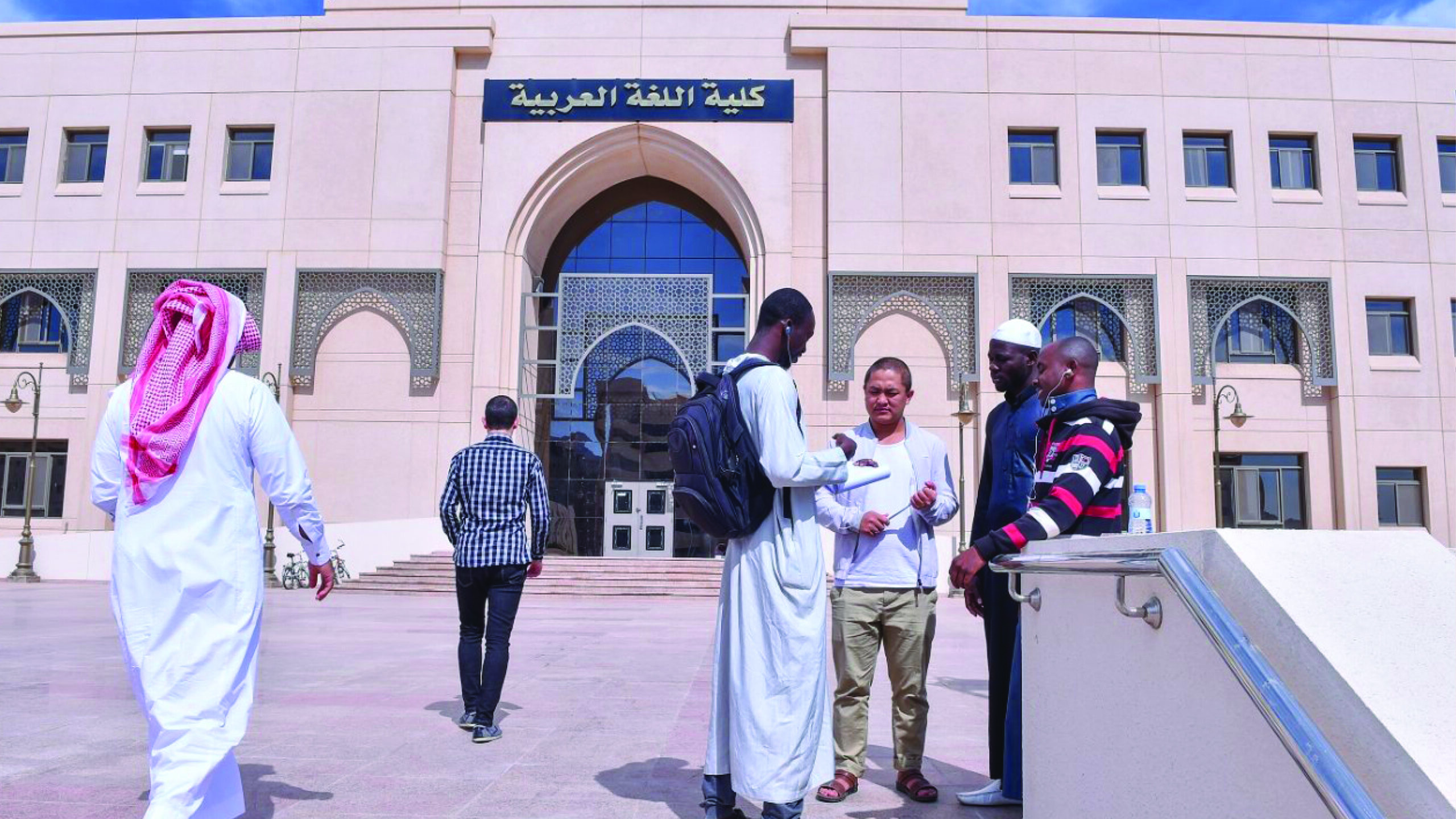
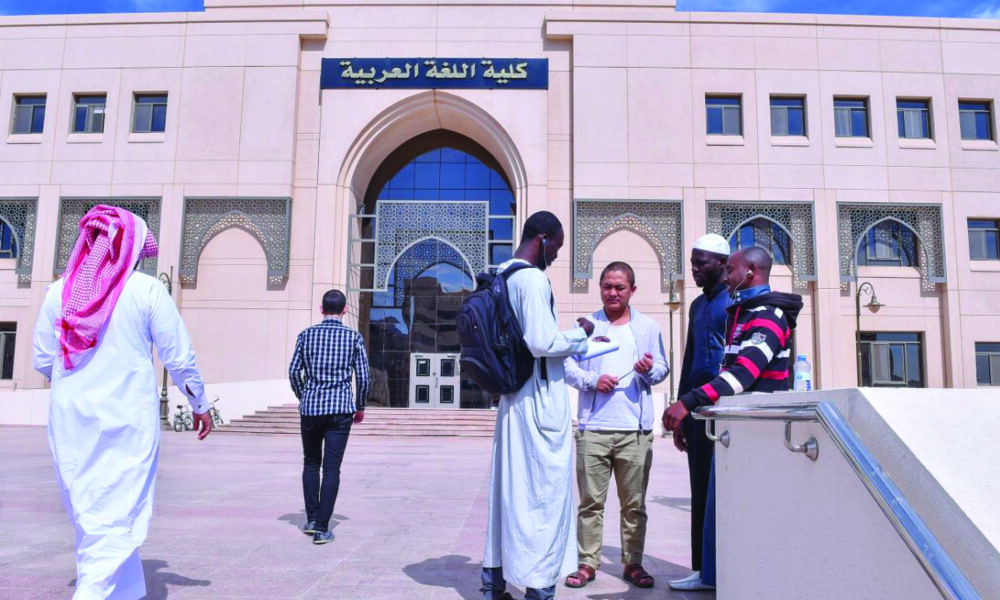
A decade ago, Morocco’s religious influence across Africa faced stiff competition. Wealthy Gulf states and regional powers leveraged their financial clout to expand their footprint, often operating in a more permissive environment. Today, the landscape has evolved dramatically. Saudi Arabia, in particular, has undergone a transformation in how it projects religious authority, while Qatar, Turkey, and Iran have also intensified their outreach efforts.
Financial muscle meets religious expansion
These nations are not merely investing in infrastructure; they are reshaping spiritual landscapes by funding mosque constructions, training imams, and launching large-scale aid programs. Saudi Arabia’s Charitable Foundation, for instance, has built hundreds of mosques across Sub-Saharan Africa, while Qatar’s Qatar Charity has focused on education and healthcare initiatives tied to religious outreach. Turkey, through its Diyanet Foundation, has prioritized cultural and educational exchanges, embedding its version of Sunni Islam in local communities.
Morocco’s response to shifting sands
Morocco, long a leader in African religious diplomacy, is now navigating an increasingly crowded field. Its traditional advantages—proximity to African Muslim communities and a recognized religious authority—are being tested by rivals with deeper pockets. The Mohammed VI Foundation for African Oulema has stepped up efforts to counterbalance these moves, but the competition’s scale and resources pose significant challenges.
Uncertain outcomes in the battle for hearts and minds
Despite the aggressive strategies, the long-term impact remains unclear. Local African Muslim communities are not passive recipients; they evaluate these initiatives based on practical benefits as much as ideological alignment. A mosque built with Saudi funds may attract worshippers, but its influence hinges on how well it integrates with local traditions. Similarly, Turkish cultural centers offer language classes and scholarships, but their reach depends on sustained engagement.
The stakes are high. For Morocco, maintaining its leadership role in African Islam is crucial not only for soft power but also for economic and political influence. For its rivals, the goal is to establish lasting religious and cultural footholds that could translate into broader diplomatic leverage. As the competition intensifies, the real winners may well be the African communities themselves, who stand to benefit from the influx of resources and opportunities.

Boureima Amadou
Reporter
Boureima Amadou
- Top Stories
- October 1, 2026
- 131 views
Moussa Kaka’s month-long disappearance in Niger: the widening toll on citizens, commerce and public trust
One month of silence, and a country left guessing In Niger, the pressure on independent journalism has now stretched past the one-month mark, and the consequences are rippling far beyond…

Mariama Hamani
- Top Stories
- October 1, 2026
- 41 views
Is Barrick Gold’s Loulo-Gounkoto truce a strategic blunder for Mali’s mining future
A truce built on silence: what is Barrick Gold really hiding at Loulo-Gounkoto? The suspension of the strike notice at the Loulo-Gounkoto gold complex conceals a financial pact of a…