Boureima Amadou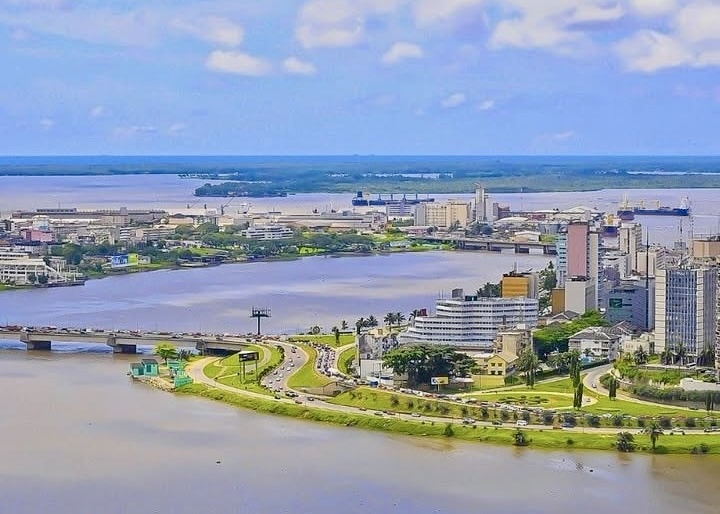
The Côte d’Ivoire continues to assert its dominance as the region’s economic powerhouse, outpacing its neighbors with an unmatched blend of growth drivers. A thriving domestic market, state-of-the-art infrastructure, and a bustling port ecosystem position Abidjan as a key player not just in West Africa, but across the entire continent.
With public investment exceeding 4,195 billion West African CFA francs, the country remains the clear leader within the West African Economic and Monetary Union (UEMOA). This financial commitment surpasses the combined investments of Mali, Burkina Faso, and Niger—three nations that together allocate just under 2,100 billion CFA francs to public projects. The disparity is striking: Côte d’Ivoire’s budget for development alone is nearly three times that of Bénin, over four times Senegal’s, and dozens of times higher than Guinea-Bissau’s.
Why Côte d’Ivoire leads the UEMOA in economic investment
Experts point to several structural advantages. The country’s economic size, robust tax revenue, and access to international capital markets provide the foundation for large-scale programs in critical sectors such as energy, transportation, and urban development. According to economist Nouvou Berté, these factors enable Côte d’Ivoire to fund transformative initiatives that drive long-term growth.
When measured per capita, the country’s public investment reaches approximately 116,500 CFA francs per citizen—far surpassing Togo and Bénin. The gap is even more pronounced when compared to Senegal, Mali, Burkina Faso, and Niger, all of which trail significantly behind in per capita spending.
Investment volume vs. efficiency: what matters most?
While Côte d’Ivoire leads in absolute investment figures, some neighbors allocate a higher percentage of their budgets to development. Togo and Bénin, for instance, invest a larger share of their GDP in infrastructure. This highlights a crucial point: raw spending is only part of the equation. The real test lies in execution—ensuring that roads, ports, universities, and industrial zones are completed on time, within budget, and aligned with economic needs.
Still, the long-term outlook remains bright. Independent projections from late 2025 indicate that Côte d’Ivoire’s GDP could more than double by 2040. The forecast, based on sustained industrial expansion, a diversified export base (including cocoa, gold, and energy), and the continued centrality of the Port of Abidjan in regional trade, underscores the country’s potential to shape West Africa’s economic future.
The challenge now is translating this financial and infrastructural strength into tangible benefits: job creation, business growth, and improved living standards for all Ivorians. With the right policies and continued discipline, Côte d’Ivoire is not just leading today—it’s building the foundation for tomorrow.