
 Mariama Hamani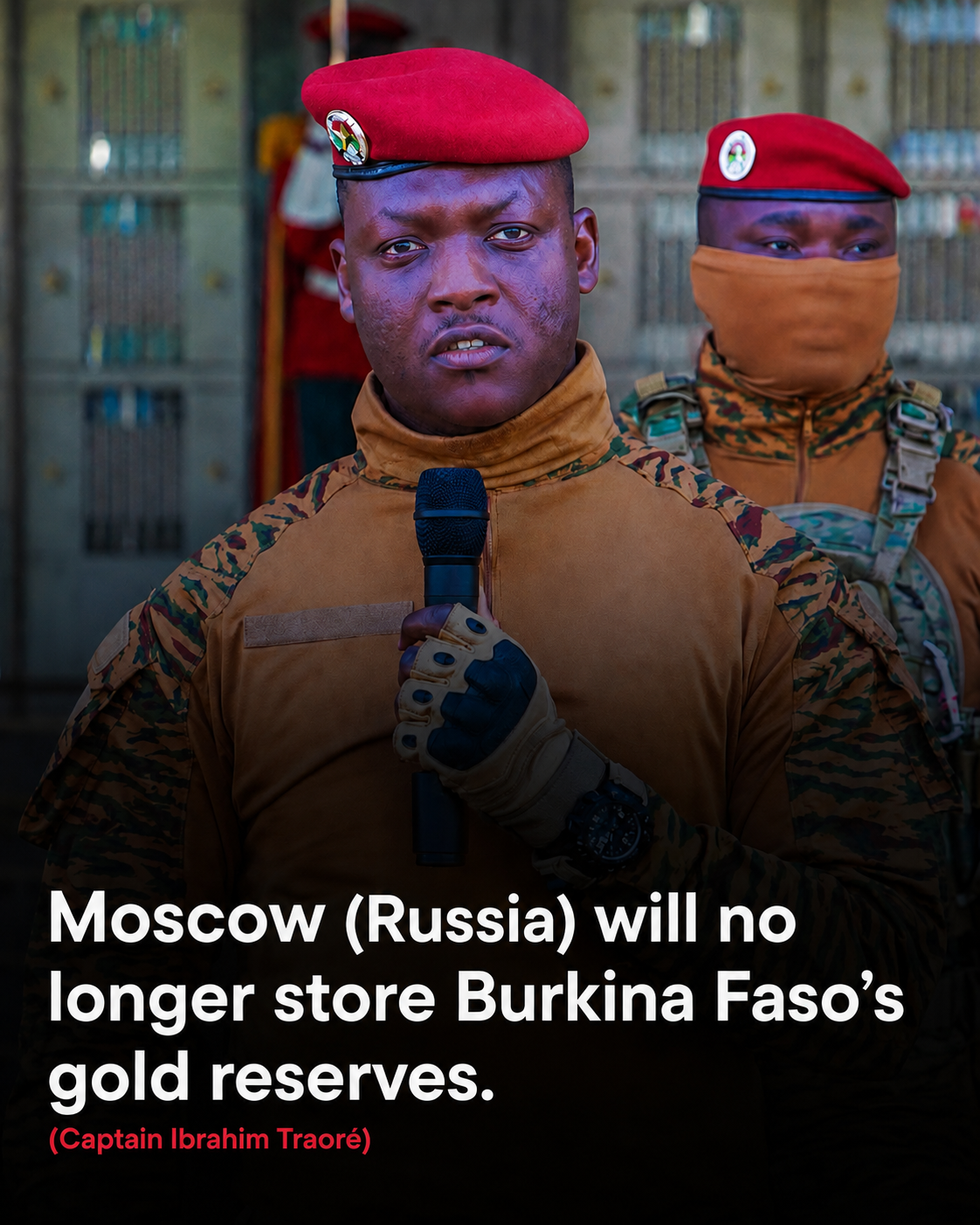
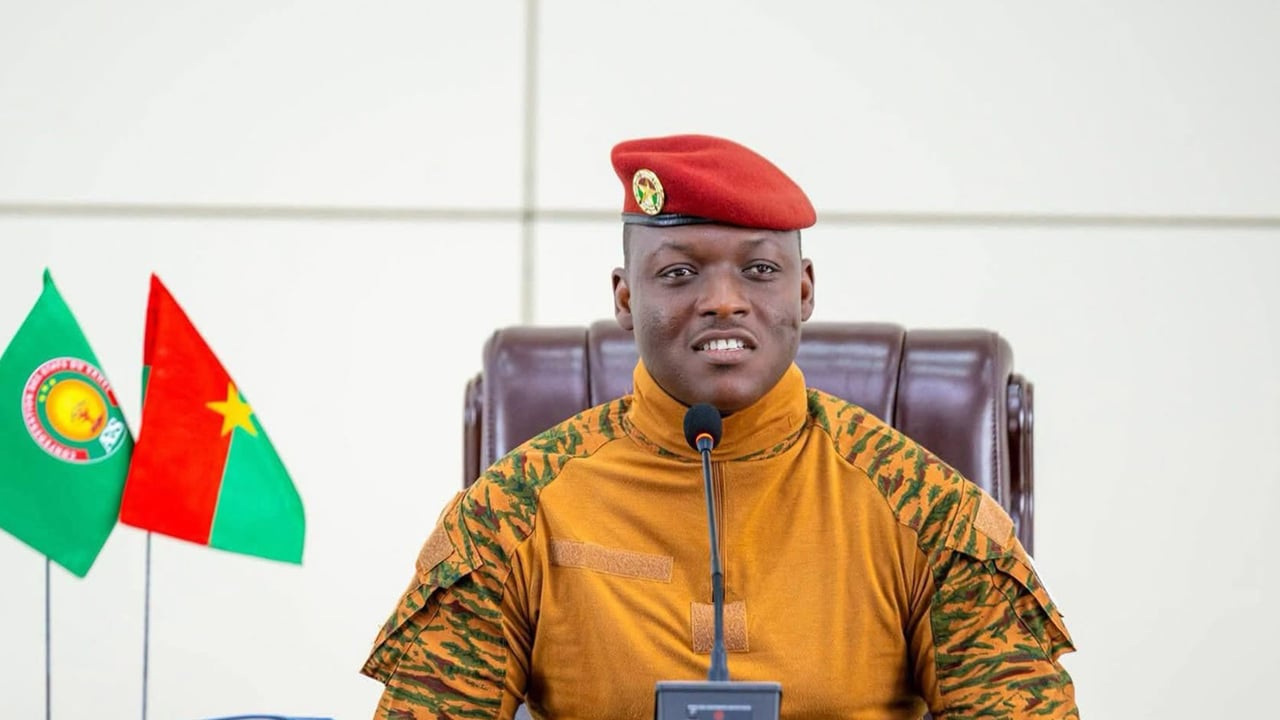
The transition government in Ouagadougou, led by Captain Ibrahim Traoré, has repeatedly emphasized a break from colonial legacies and a push for national sovereignty. Yet, the recent acceleration of ties with the Russian Federation is raising serious questions about the true nature of this emancipation. Far from achieving autonomy, Burkina Faso appears to be exchanging one form of dependency for another—this time, under Moscow’s influence.
Financial asymmetry: the hidden cost of gold sector deals
Mining remains the backbone of Burkina Faso’s economy, with gold accounting for nearly 80% of export revenues. Recent negotiations to secure and manage these resources have exposed the country’s vulnerability. By agreeing to terms dictated by Russian entities—whether in storage, concessions, or financial arrangements—Ouagadougou risks undermining its own economic stability. Rather than strengthening sovereignty, such concessions place the nation’s wealth under foreign control. Ceding control of strategic assets to another superpower, even under the guise of protection, is not cooperation; it is a long-term financial burden.
A security trap disguised as partnership
The military pivot toward Russia, including the deployment of paramilitary advisors (formerly associated with Wagner Group, now rebranded under Africa Corps), was presented as a solution to the country’s escalating security crisis. However, the financial strain of this arrangement is becoming increasingly unsustainable for a nation already grappling with economic strain. Meanwhile, the promised security gains remain elusive, as evidenced by the recent surge in deadly attacks on national defense forces. By tying Burkina Faso’s stability to Moscow’s shifting geopolitical priorities, the government risks losing any leverage in future negotiations. Should Russia reallocate resources or demand higher fees, Ouagadougou will have little recourse.
From Françafrique to “Russafrique”: a change of master, not freedom
The most glaring contradiction lies in the regime’s rhetoric. After denouncing Western paternalism, how can it justify embracing a new form of imperialism under Russian patronage? True liberation is not achieved by replacing one overlord with another. Moscow’s engagement in Africa is driven by self-interest—securing strategic resources, evading international sanctions, and gaining geopolitical leverage. Burkina Faso’s alignment with Russia, under the pretext of anti-colonial solidarity, does not break chains; it merely forges new ones.
The cost of diplomatic isolation
This exclusive partnership with Russia has also isolated Burkina Faso both regionally and internationally. By severing ties with traditional donors and straining relations with neighboring countries, the transitional government has narrowed its diplomatic options. A truly sovereign nation diversifies its alliances to balance influence; it does not lock itself into a one-sided relationship where it becomes a perpetual supplicant. For the Burkinabè people, the consequences may be severe. Sovereignty is not measured in anti-Western rhetoric but in the tangible ability to shape one’s future without external vetoes—whether from Paris, Washington, or Moscow. The current path risks mortgaging Burkina Faso’s long-term independence for short-term gains.

 theafricantribune
 Boureima Amadou




