Boureima Amadou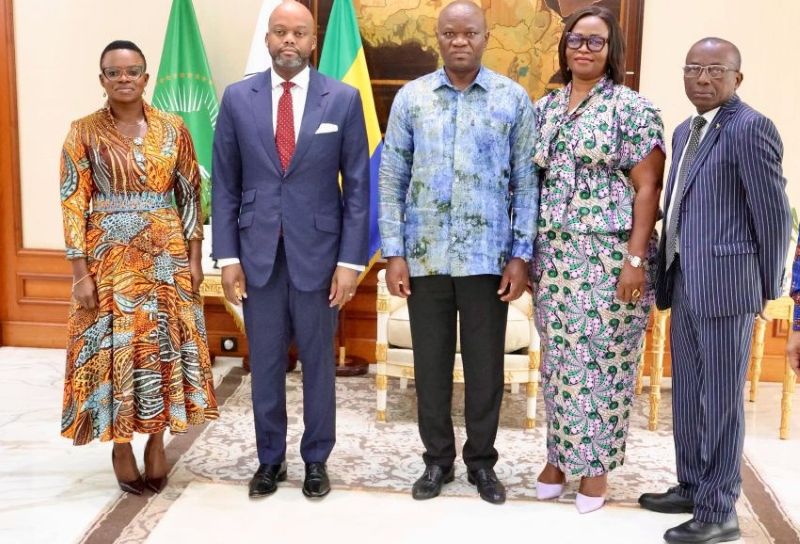
Gabon’s pivotal role in Africa’s economic transformation
Libreville, Saturday, June 20, 2026 – Africa stands at a defining crossroads in its economic evolution. After decades of fragmentation along colonial-era borders, the continent is now forging a unified market—one that will soon become the world’s largest by number of participating nations.
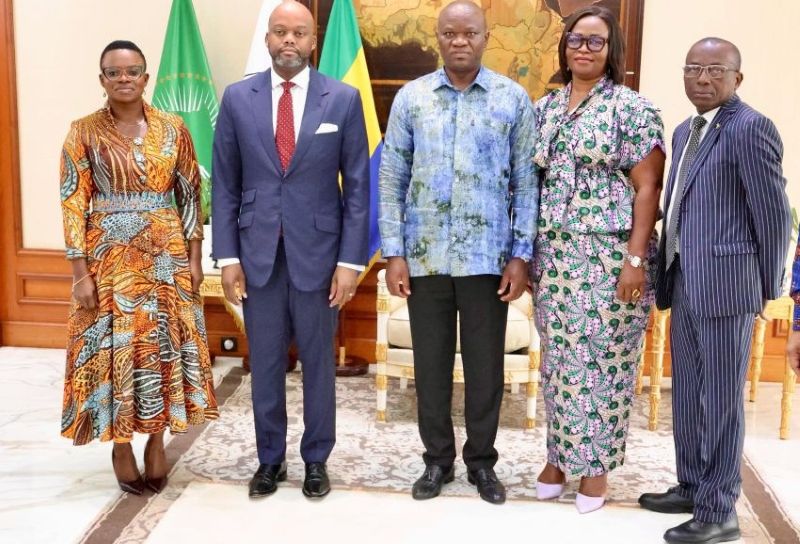
The meeting held Friday in Libreville between Gabonese President Brice Clotaire Oligui Nguema and Wamkele Mene, Secretary-General of the African Continental Free Trade Area (AfCFTA), transcended routine diplomacy. It signaled a broader ambition: positioning Gabon as a key player in Africa’s emerging economic landscape.
As global supply chains realign and regional blocs deepen integration, the question is no longer whether African nations should trade more among themselves—but how each will strategically position itself in this historic transition.
A market of 1.4 billion consumers
The AfCFTA, representing over 1.4 billion people and a combined GDP exceeding $3 trillion, stands as one of the 21st century’s most ambitious economic undertakings. At its core: dismantling trade barriers to unlock intra-African commerce. Yet despite its vast potential, Africa remains one of the least integrated regions globally—with intracontinental trade hovering below 15%, compared to over 60% in Europe and nearly 50% in Asia. This gap is precisely what the AfCFTA aims to bridge.
Discussions in Libreville focused on equipping Gabon to capitalize on this continental opening. Key priorities include customs modernization, border infrastructure upgrades, regulatory alignment, and institutional strengthening—all critical to seamless trade integration.
Nkok: Gabon’s industrial powerhouse
Wamkele Mene highlighted an often-overlooked Gabonese asset: the Nkok Special Economic Zone (SEZ). Within years, this hub has evolved into Central Africa’s premier industrial cluster, hosting enterprises in timber processing, metallurgy, and manufacturing. It embodies Gabon’s shift from raw material exports to value-added production—a model perfectly aligned with AfCFTA’s vision.
The success of continental trade liberalization hinges not on natural resource exports, but on developing robust, competitive industries. Gabon’s strategic location—nestled in the Gulf of Guinea, equipped with modern ports and ambitious logistics projects—positions it as a natural regional trade nexus.
Building an economy of transformation
President Oligui Nguema reaffirmed Gabon’s National Growth and Development Plan, anchored in three pillars: local resource processing, economic diversification, and accelerated digital transition. This strategy marks a decisive break from traditional models reliant solely on extractive industries, preparing the nation for global competitiveness.
The AfCFTA’s true challenge extends beyond tariff reductions—it demands economies capable of producing, innovating, and exporting at scale. For Gabon, this moment is pivotal. The nation isn’t merely participating in continental integration; it’s positioning itself to lead it.
The AfCFTA has opened a gateway to an unprecedented market. But only those nations that anticipate industrial, logistical, and digital shifts will harvest its rewards. Libreville has made its choice.