Boureima Amadou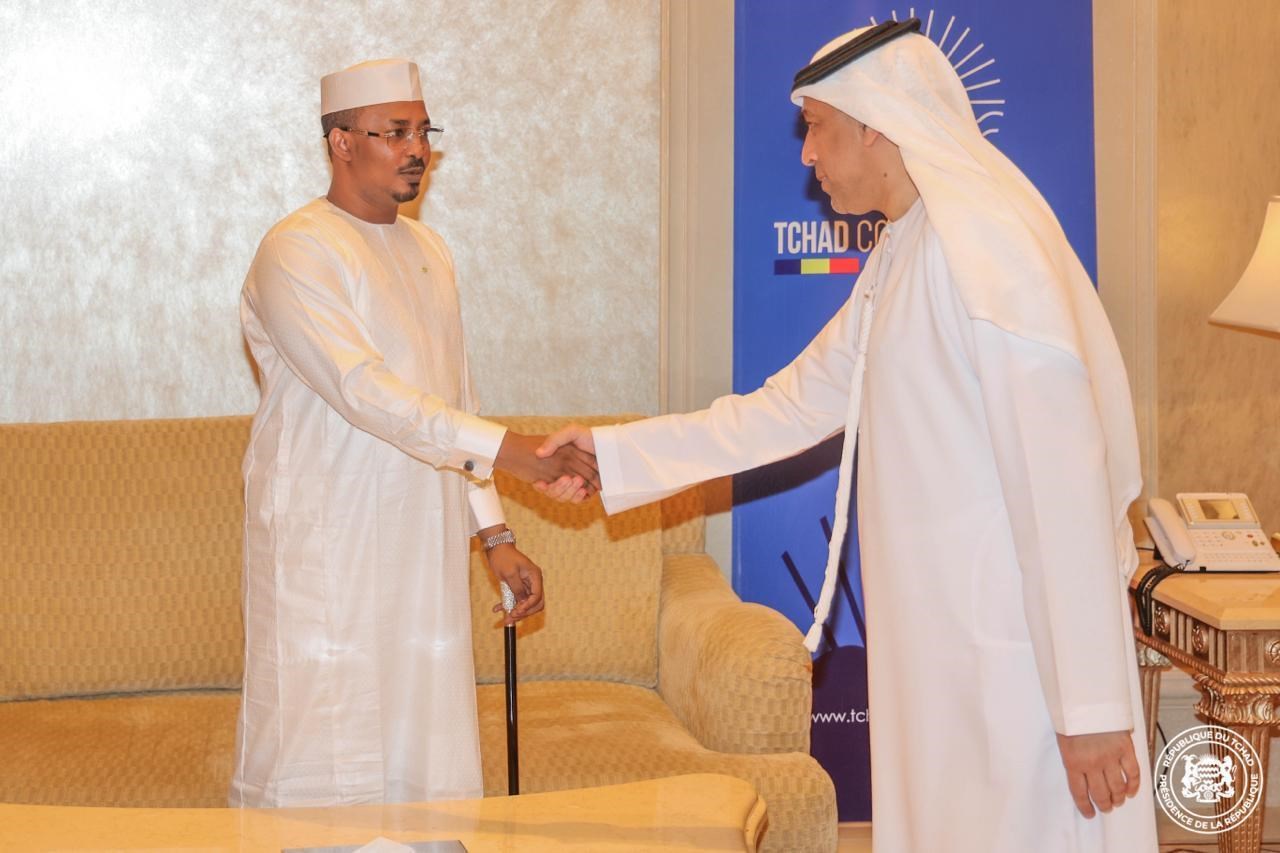
Chad’s bold move: attracting $20.5 billion in private capital for national growth

Amidst a global funding landscape defined by shrinking public development aid and increasing fragmentation, Chad’s capital city, N’Djamena, has executed an extraordinary financial strategy. The country’s National Development Plan (PND) demands a total investment of $30 billion, with the private sector expected to cover 46% of this amount. By late 2025, officials announced the successful mobilization of $20.5 billion in financing commitments, including $16.4 billion from private and international investors and an additional $4.1 billion secured through 40 formal agreements. For a nation ranked 190th out of 193 in the 2025 Human Development Index, this achievement stands as a remarkable case study in economic resilience.
Breaking new ground: Chad’s multi-pronged funding strategy
The success of this financial mobilization stems from an innovative approach to diversifying funding sources—one that remains rare in the Central African Economic and Monetary Community (CEMAC) region. Through targeted diplomatic outreach, Chad strengthened partnerships with the United Arab Emirates and the Islamic Development Bank, unlocking a previously untapped channel of Islamic financing in Central Africa. At the same time, the country maintained strong ties with traditional multilateral partners such as the International Monetary Fund (IMF) and the World Bank, while also forging new South-South collaborations, particularly with Middle Eastern economies. This tripartite funding structure—blending Western, Islamic, and South-South financing—creates a financing model that is virtually unprecedented in Central Africa.
Budget discipline as a magnet for investors
Chad’s ability to secure such substantial private investment is deeply rooted in its fiscal responsibility. Despite hosting over 1.5 million refugees from Sudan, the country maintained its budget deficit below the 3% threshold set by CEMAC in 2025. Public debt remained controlled at just 32% of GDP—one of the lowest ratios in the CEMAC zone. This fiscal prudence, combined with ongoing tax base expansion reforms and the digitalization of revenue collection, sent a powerful message of reliability to global investors. In a region where even wealthier economies struggle to instill confidence, Chad has demonstrated that disciplined governance can attract capital regardless of income levels or financial market maturity.
What’s next for Chad’s economic transformation?
With $20.5 billion now committed, N’Djamena is shifting its focus toward attracting more equity-based private capital and strengthening its regulatory framework to sustain this momentum. The government aims to deepen market reforms and improve the business climate to ensure long-term investor confidence. For observers across Africa and beyond, Chad’s experience offers a compelling blueprint: massive private capital mobilization is possible even in low-income countries, provided there is strategic vision, fiscal discipline, and diversified partnerships. The world is watching as N’Djamena embarks on what could become a defining economic journey in Central Africa.