Boureima Amadou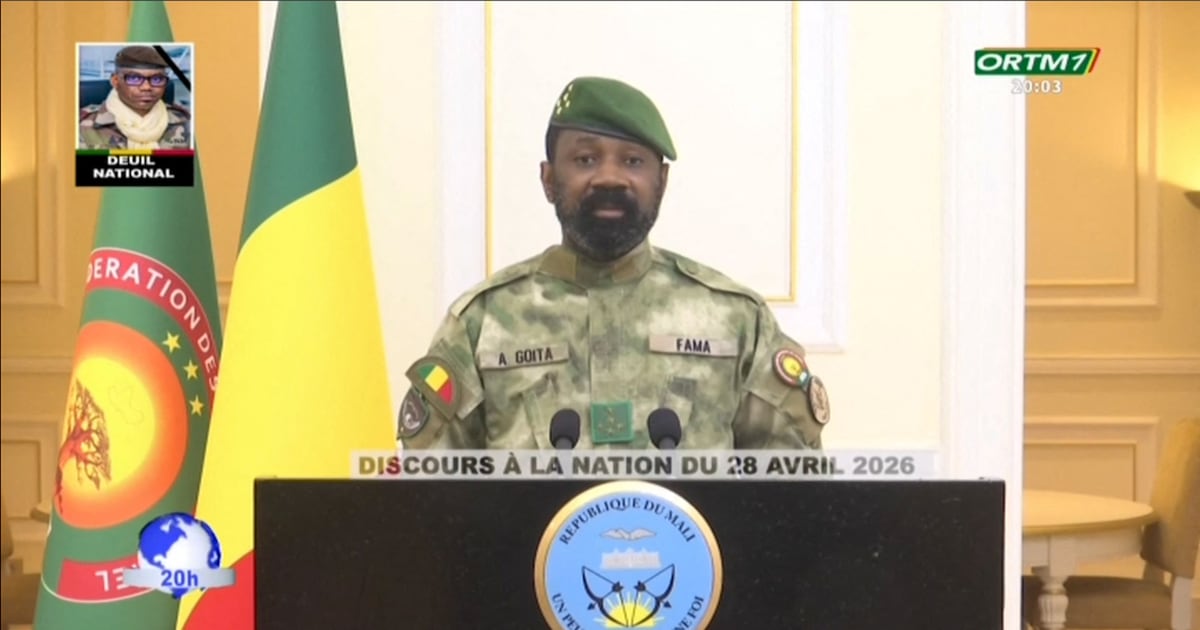
The Sahel is at a crossroads. While Mali grapples with unprecedented security challenges, its regional allies appear paralyzed by political calculations and strategic indecision. The Alliance of Sahel States (AES), comprising Mali, Burkina Faso and Niger, struggles to present a united front, while the Economic Community of West African States (ECOWAS)—from which Mali withdrew in early 2025—has yet to regain its footing.
Mali’s Fragile Stability Amid Regional Turmoil
Recent coordinated attacks on Mali, particularly in Kati where Defense Minister Sadio Camara was killed, have sent shockwaves across West Africa. Yet, despite the crisis, Bamako’s military leadership remains in place under General Assimi Goïta, and life persists amid deep-rooted resilience. The attack underscored the persistent vulnerabilities in Mali’s security apparatus, even as political tensions simmer between the junta, the National Movement for the Liberation of Azawad (MNLA) and the Support Group for Islam and Muslims (GSIM).
Burkina Faso and Niger: Strategic Retreat or Tactical Pause?
While Burkina Faso and Niger are formal allies in the AES, their capacity to act is constrained by internal challenges. Burkina Faso, reeling from frequent attacks that have depleted its military, has adopted a pragmatic stance—prioritizing national survival over regional commitments. Similarly, Niger declared a national day of fasting and prayer against terrorism, highlighting the limitations of the Liptako-Gourma Charter, often compared to NATO’s mutual defense clause.
The AES, though a bold initiative on paper, lacks the strategic maturity to deploy joint forces effectively. For now, its members remain focused on domestic threats, leaving the alliance’s potential unfulfilled.
ECOWAS’s Shifting Role: From Confrontation to Dialogue
The ECOWAS has shifted from a confrontational stance to one of cautious engagement, as seen in its recent meeting in Lomé, Togo. The gathering brought together representatives from the AES, the African Union, France, the European Union and Russia—a rare convergence aimed at preventing further fragmentation. Mali’s foreign minister, Abdoulaye Diop, emphasized openness to dialogue, provided it respects the sovereignty of Sahel states.
This diplomatic opening reflects ECOWAS’s desire to reposition itself in the Sahel, distancing itself from its past interventionist approach—most notably in Niger. However, the path to meaningful cooperation remains uncertain, with a proposed 1,650-strong counterterrorism brigade slated for deployment by late 2026.
Russia’s Strategic Setback in the Sahel
The recent attacks in Mali have exposed the limitations of Moscow’s influence in the region. The death of pro-Russian Defense Minister Sadio Camara and the withdrawal of Russia’s Africa Corps from Kidal signal a broader failure—not just militarily, but symbolically. The myth of Russia as a reliable security guarantor in the Sahel has crumbled, leaving regional actors to reconsider their alliances.
Washington has taken note, with U.S. diplomats making discreet but strategic returns to the Sahel, even in Niger, where American forces were previously expelled. The stakes are high: Mali’s crisis presents an opportunity for the U.S. to challenge Russia’s waning influence while advancing its own geostrategic interests.
Regional Spillover: Could the Gulf of Guinea Be Next?
While coastal nations like Côte d’Ivoire, Ghana, Benin and Togo watch the Sahel with concern, the greatest immediate threat lies in Burkina Faso. A collapse there could trigger a domino effect, destabilizing neighboring states. However, unlike Mali, Burkina Faso lacks a unifying separatist movement, reducing the risk of large-scale insurgency.
Togo has taken a proactive stance, positioning itself as a potential mediator between the Sahel and West Africa. Whether this initiative gains traction remains to be seen, but it underscores the urgent need for collaborative security solutions.
Conclusion: A Call for Unified Action
The Sahel cannot be isolated from West Africa. The crisis in Mali has laid bare the weaknesses of regional alliances, from the AES to ECOWAS and the African Union. Yet, the 25 April attacks have also reignited discussions on the necessity of joint intelligence-sharing and resource pooling. Without concrete action, the region risks deeper fragmentation—and the consequences could extend far beyond its borders.


 Mariama Hamani