Mariama Hamani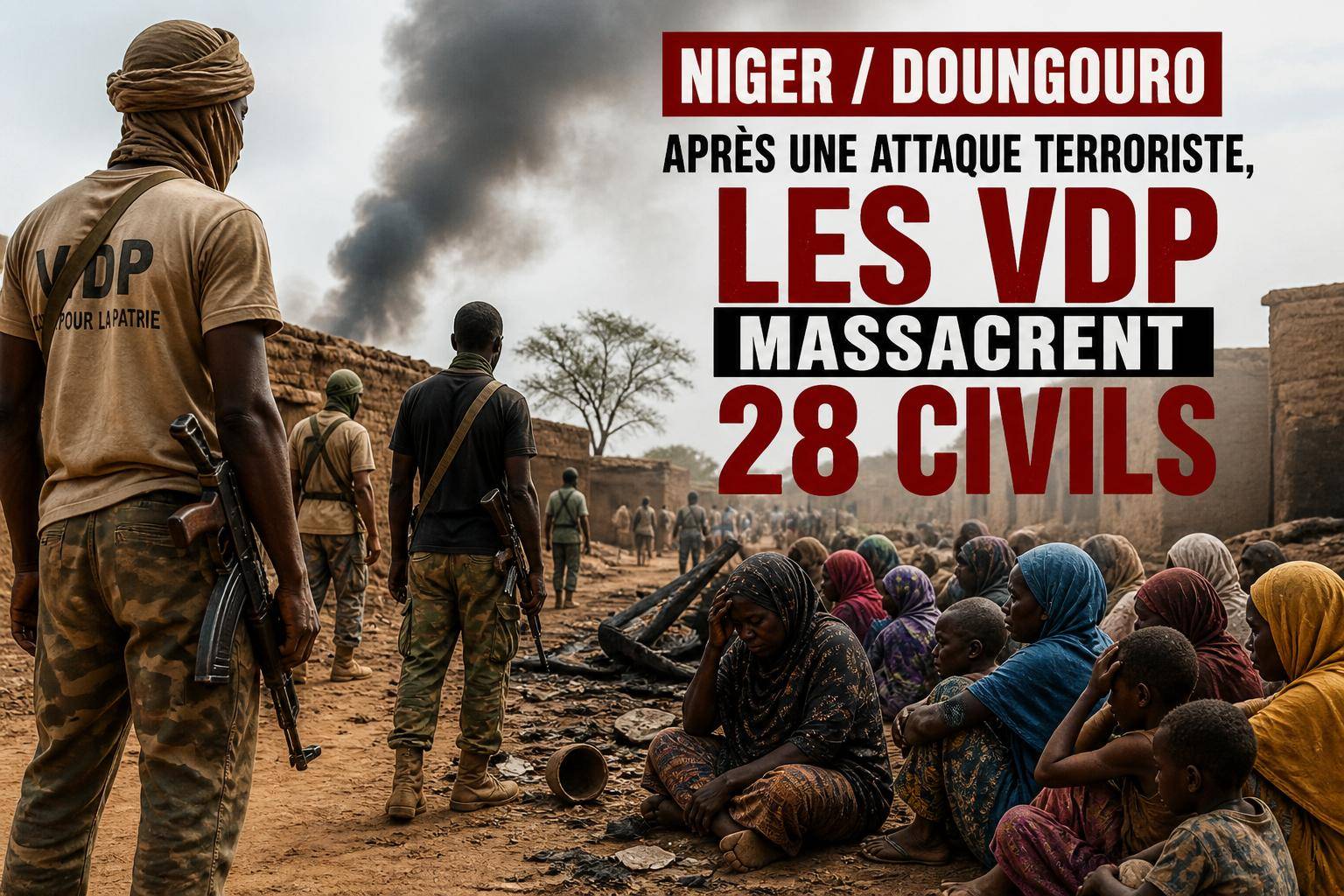
double tragedy strikes doungouro village in Tillabéri
On the morning of May 4, 2026, the tranquil weekly market of Doungouro in the Tillabéri region of Niger was shattered by violence. An armed assault by the Islamic State in the Greater Sahara (ISGS) left four civilians dead. But the worst was yet to come. In the chaotic aftermath, the Volunteers for the Defense of the Homeland (VDP) from the nearby Kokorou commune launched a brutal crackdown, resulting in a horrific bloodshed that claimed 28 more lives. The combined death toll now stands at 32, raising serious questions about the conduct and accountability of these state-backed militias.
the isgs assault on doungouro market
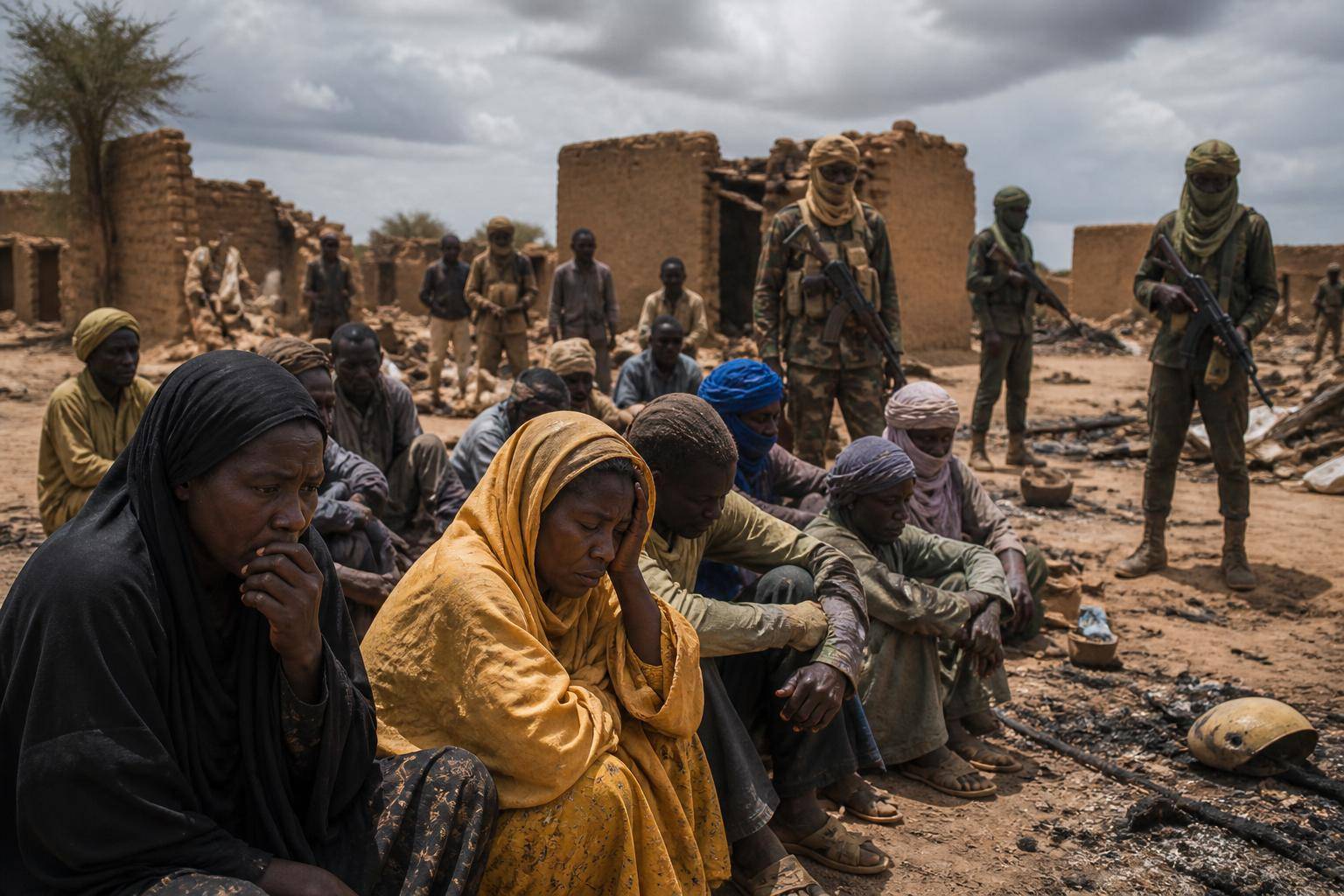
The attack unfolded at dawn, just as merchants were setting up for the weekly trade. Heavily armed ISGS militants stormed the market, their dual objectives clear: instill fear and seize resources. Within minutes, four civilians were executed in cold blood. The attackers then looted livestock from the market before fleeing westward toward the Mali border. This brazen raid underscores a harsh reality: despite government assurances, the tri-border region remains dangerously vulnerable to militant incursions.
vdp’s deadly rampage: a breakdown in accountability
The arrival of the VDP—locally known as DomolLeydi—only deepened the tragedy. Instead of restoring order, the militiamen, poorly trained and loosely supervised, unleashed a wave of indiscriminate violence. Their justification? A perverse logic: anyone wearing a turban was presumed guilty. This baseless assumption led to the execution of 28 civilians, including traders from Téra who had no connection to terrorism. Survivors recount how the VDP opened fire without hesitation, targeting anyone in traditional attire. It was a massacre, plain and simple.
the domolleydi phenomenon: a security gamble gone wrong
The DomolLeydi system epitomizes the flawed security strategy of Niger’s transitional government. By outsourcing defense to civilian militias, authorities sought to fill gaps left by a struggling national army. Yet this approach has fostered a dangerous culture of impunity. Without strict oversight or professional military guidance, these groups often resort to ethnic and cultural profiling, as seen in Doungouro.
The government’s post-coup rhetoric encourages self-defense, but arming civilians without proper training or legal safeguards is a recipe for disaster. While Niamey condemns foreign interference, it remains conspicuously silent on the atrocities committed by its own proxies. The Doungouro killings are not an isolated incident but part of a disturbing pattern eroding trust between communities and security forces.
the path forward: accountability and reform
By targeting traders and herders, the VDP have not only fueled insecurity but also driven marginalized groups toward extremist factions—ironically positioning militants as protectors. To win this war, Niger cannot afford to turn its people against itself. An independent investigation into the Doungouro massacre is imperative, with perpetrators held accountable. Operations by civilian militias must be strictly overseen by regular forces, and discriminatory profiling based on ethnicity or attire must end.
If no action is taken, Doungouro will stand as a grim reminder of a security strategy that inflicts more harm on civilians than on terrorists. The 32 lives lost were not collateral damage—they were sacrifices to a failing system. Their families deserve answers, and their deaths demand justice.

 Boureima Amadou