Mariama Hamani
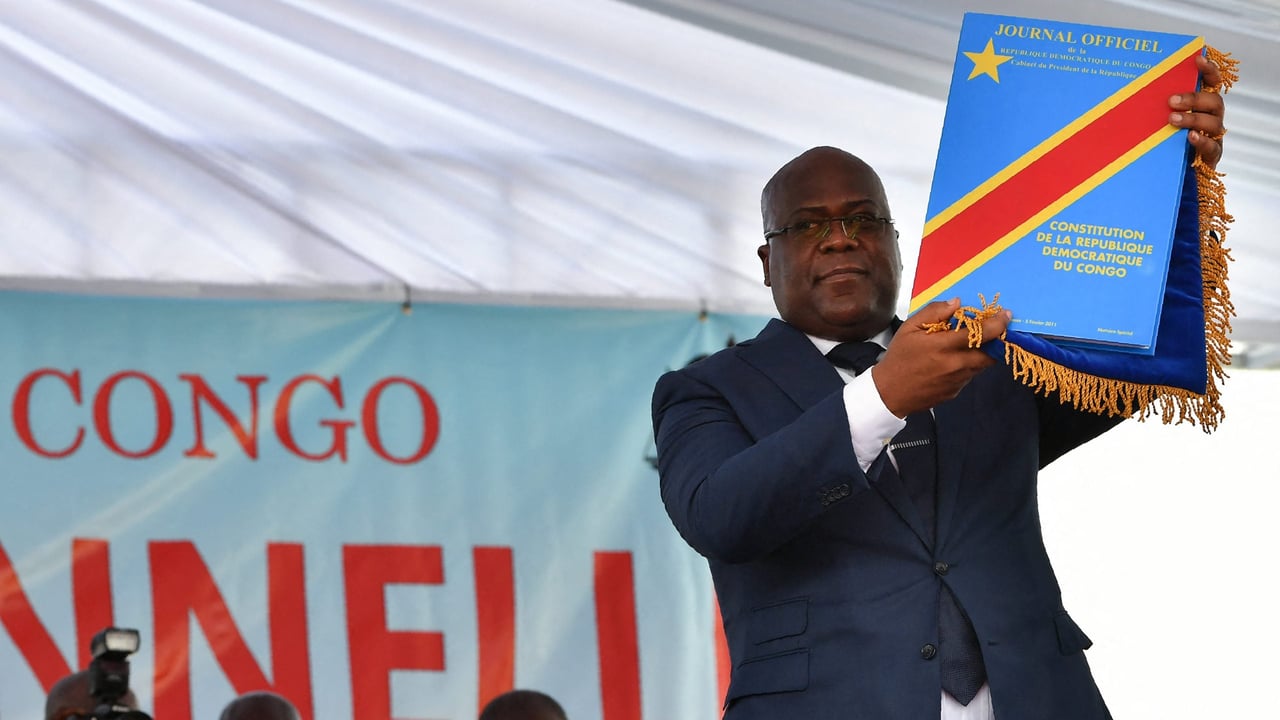

The capital city of Kinshasa is experiencing a wave of disruption as opposition groups intensify their campaign against President Félix Tshisekedi, paralyzing daily operations and sparking tensions across the political landscape.
Protesters aligned with key opposition figures have taken to the streets, blocking major roads and halting public transportation, effectively bringing parts of the city to a standstill. The unrest reflects deepening dissatisfaction with the current administration’s policies and governance approach.
Opposition figures rally against the president
The demonstrations are being spearheaded by prominent opposition leaders, including Moïse Katumbi, Matata Ponyo Mapon, and Martin Fayulu, who have accused Tshisekedi of undermining democratic principles and failing to address pressing national issues.
Katumbi, a former governor of Haut-Katanga, has emerged as a vocal critic of the administration, rallying supporters to demand accountability and reforms. Meanwhile, Mapon and Fayulu have echoed similar concerns, calling for greater transparency and an end to what they describe as authoritarian tendencies.
Economic and social ripple effects
The ongoing protests are not merely political—they are taking a toll on Kinshasa’s economy. Local businesses report significant losses as customers stay home, while supply chains face disruptions due to roadblocks. The situation has also heightened public anxiety, with concerns over potential escalation in violence.
Residents describe a city on edge, with schools, markets, and government offices operating at reduced capacity. The government has yet to respond publicly to the mounting pressure, leaving many to wonder how long the standoff will persist.
What’s next for the DRC?
As the opposition digs in its heels, the coming days will be critical in determining whether a resolution can be reached—or if the standoff will plunge the country into deeper turmoil. The international community watches closely, with calls for dialogue growing louder.

 Boureima Amadou