Boureima Amadou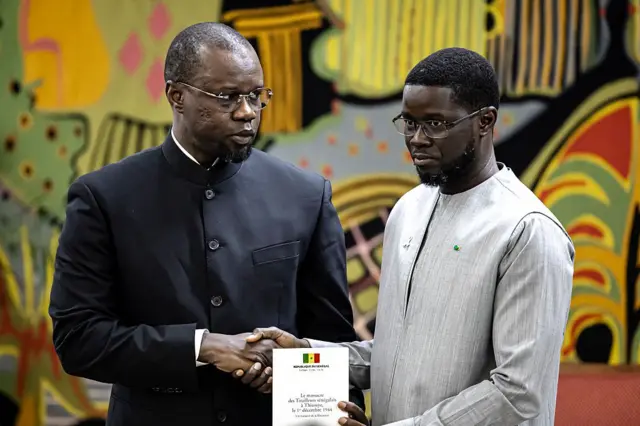
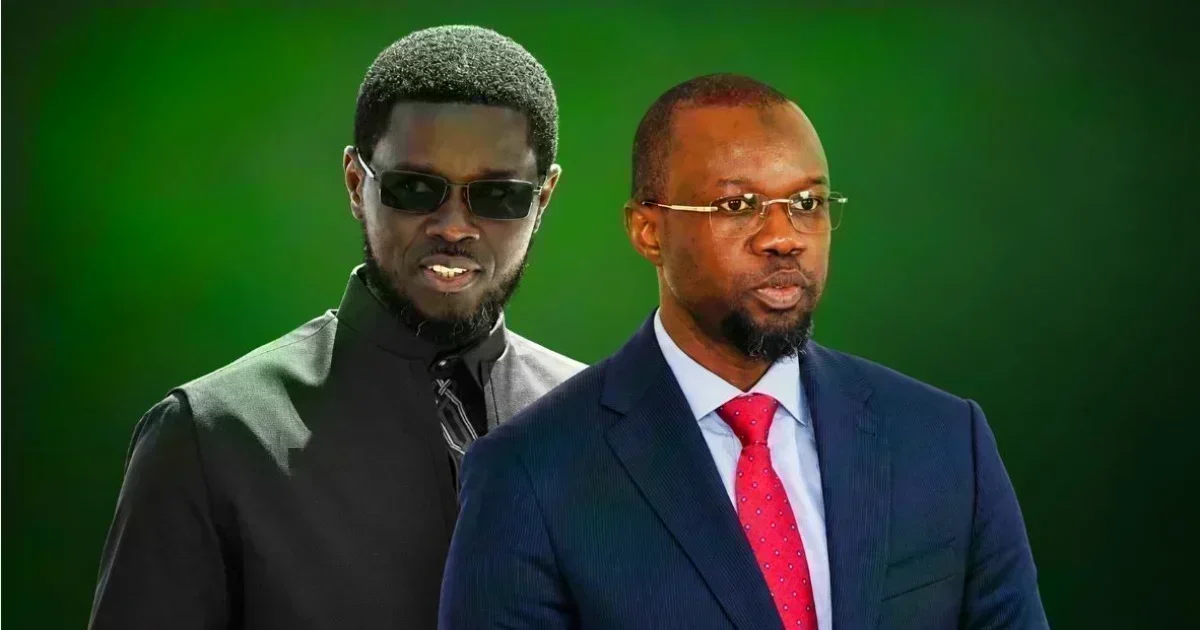
Tensions between Senegal’s political leadership have intensified following Ousmane Sonko’s public announcement of his party’s refusal to join the newly formed government under Ahmadou Alamine Mohamed Lô. In a press briefing held in Dakar, the former Prime Minister outlined the key reasons behind the Pastef-Les Patriotes’ decision to withhold participation in the executive.
Deep disagreements on national priorities
The former head of government highlighted major discrepancies between his party’s vision and the administration’s approach across critical policy areas. Among the most pressing concerns are the justice system’s reform, financial accountability mechanisms, and the renegotiation of economic agreements perceived as unfavorable to Senegal’s interests. Public debt management also remains a contentious issue.
Financial assurances and international credibility
Sonko emphasized that the Pastef had not received adequate guarantees regarding the government’s financial commitments or future engagements with international lenders. He also raised concerns over the administration’s subsidy policies and its judicial governance strategy, questioning the overall coherence of the executive’s economic and legal roadmap.
Government composition fuels political rift
Beyond policy disagreements, the allocation of ministerial portfolios became a source of friction. The Pastef leader stressed that, as Senegal’s leading political force, his party deserved substantial representation within the cabinet. He argued that participation without control over at least half of the ministries would be politically untenable and strategically weak.
No immediate challenge to the administration
Despite the sharp critique, Sonko ruled out any immediate attempt to destabilize the government. He clarified that the Pastef would not file a motion of no confidence, signaling a temporary pause in direct confrontation. However, the statement underscores growing instability at the highest levels of governance and signals a potential shift in the political landscape following the 2024 transition.