Boureima Amadou
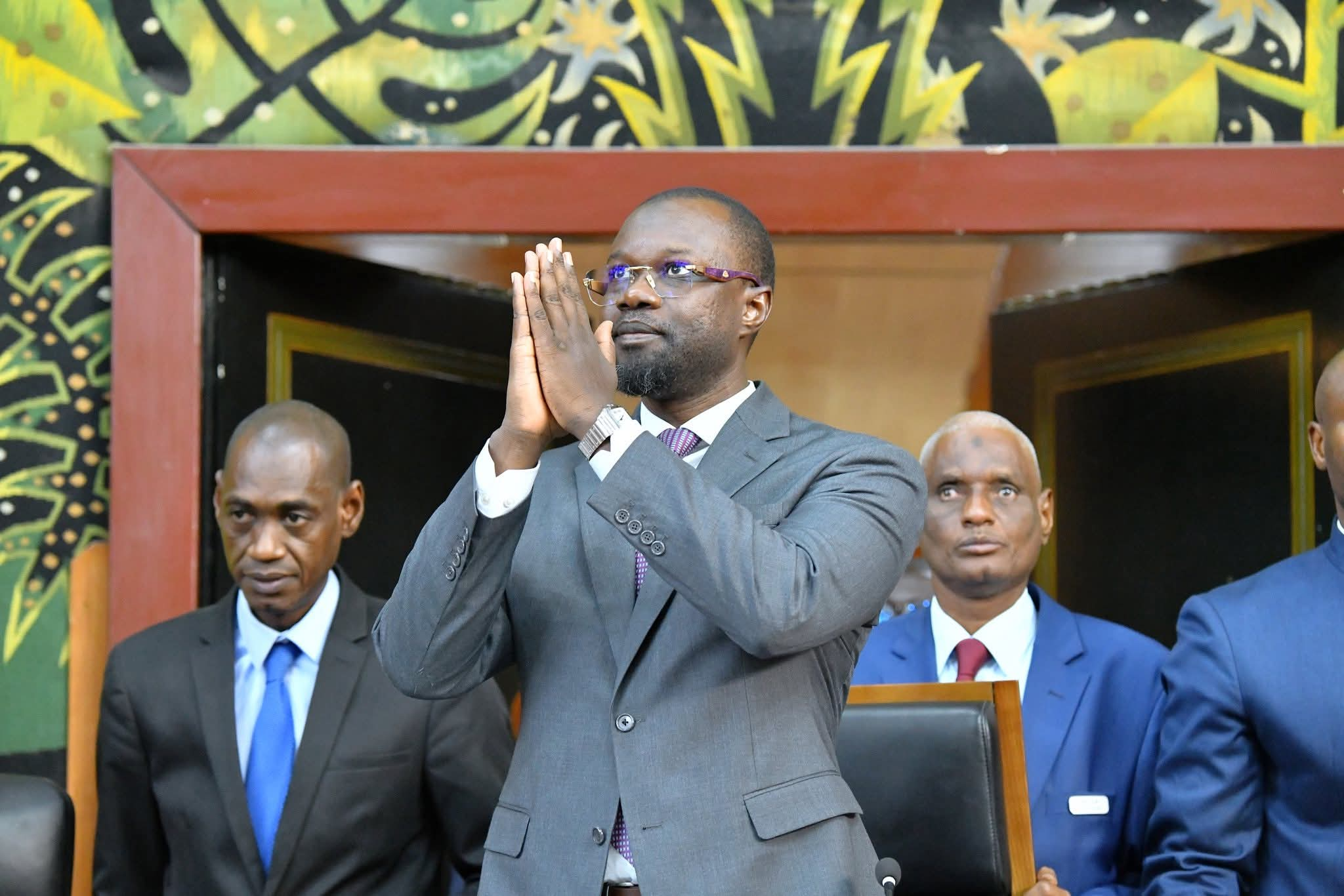
Ousmane Sonko’s direct approach to making Senegal’s public policies clear for citizens
How Ousmane Sonko turns technical policies into plain language for everyone
Public policies in Senegal often involve complex technical and economic concepts that are difficult for average citizens to grasp. Ousmane Sonko, through direct communication and clear explanations, has made these policies accessible to the public. His approach mirrors academic didactic transposition—the process of simplifying expert knowledge into understandable content for non-specialists.
But Sonko goes further than just simplifying information. He actively engages citizens in understanding and participating in governance. His method combines clarity of communication with citizen involvement, creating a new way for Senegalese citizens to connect with their government’s actions.
From expert language to public understanding: the role of clear communication
Policy documents are typically written for experts—government officials, economists, and legal professionals. But these same documents often confuse or alienate ordinary citizens. Ousmane Sonko, with his background as a tax inspector and deep knowledge of public finance, recognized this gap early on.
In 2019, ahead of the presidential election, he published Solutions, a book that broke down complex issues like state reform, youth employment, and natural resource management into clear, actionable ideas. He didn’t just present problems—he offered solutions in language everyone could understand.
This wasn’t just about publishing a book. It was part of a broader strategy: using everyday language to explain how government decisions—like oil contracts or budget allocations—affect people’s lives. By making these topics relatable, Sonko made it possible for citizens to engage in meaningful discussions about governance.
His second book, Pétrole et gaz au Sénégal, was even more direct. He didn’t just analyze the Petro-Tim scandal—he explained it in simple terms, showing how irregularities in oil contracts hurt the country’s economy and citizens. This kind of direct, factual communication gave citizens the tools to question government decisions and demand accountability.
Citizen participation: from spectators to active contributors
Public policies aren’t just about laws and budgets—they’re about people. Ousmane Sonko’s approach recognizes this by placing citizens at the center of governance. This isn’t just a political slogan—it’s a practical strategy that redefines the citizen’s role.
Traditionally, citizens are seen as passive recipients of government policies. But Sonko’s model changes that. He treats citizens as informed, critical participants who can debate, question, and influence decisions. This shift from passive reception to active engagement is at the heart of what he calls the Patriotic Youth of Senegal (JPS) movement.
The JPS isn’t just a political group—it’s a network of young people who study policies, organize debates, and hold leaders accountable. These young citizens don’t just follow Sonko’s ideas—they analyze them, challenge them, and debate their implications. That’s why the JPS is so effective: it turns abstract policies into real conversations that matter to everyday Senegalese.
This approach has had real consequences. The JPS is now a major political force in Senegal, with a strong presence across the country. Its members don’t just vote—they debate laws, scrutinize budgets, and pressure the government to be more transparent. This kind of citizen-led oversight is rare in African politics, and it’s changing how governance happens in Senegal.
Real-world impact: when citizens begin to control public policies
The best proof of Sonko’s approach is in real policy debates. Take the recent rectifying finance law (LFR 2026)—a topic that might seem dry and technical to most people. But thanks to Sonko’s clear explanations, citizens across Senegal are now discussing it in detail: investment priorities, subsidies, payment credits, and fiscal reforms.
Why? Because Sonko didn’t just release a statement—he provided a full breakdown with data, examples, and context. He showed how the law affects family budgets, local businesses, and national development. This kind of transparency turns abstract policy into something real and urgent for citizens.
As a result, citizens aren’t just reacting to decisions—they’re shaping them. When the government proposed the LFR, citizens debated it, criticized elements they disagreed with, and pushed for changes. This isn’t just participation—it’s democratic control in action.
And this is the core of Ousmane Sonko’s legacy: he didn’t just make policies clearer. He gave citizens the power to understand, question, and influence them. That’s not just good politics—it’s good governance.
Why this matters for Senegal’s future
Governance isn’t just about leaders making decisions. It’s about citizens being informed enough to demand better ones. Ousmane Sonko’s approach shows how politics can move from opacity to clarity, from top-down authority to shared responsibility.
His success lies not in grand speeches, but in day-to-day communication: explaining budgets, analyzing laws, and showing how each policy affects real lives. He treats citizens not as subjects, but as partners in building a better Senegal.
This isn’t just a political strategy—it’s a democratic revolution. One where citizens aren’t just told what to think, but given the tools to think for themselves. That’s the future Ousmane Sonko is building—and it’s one worth watching.

 Mariama Hamani