Mariama Hamani
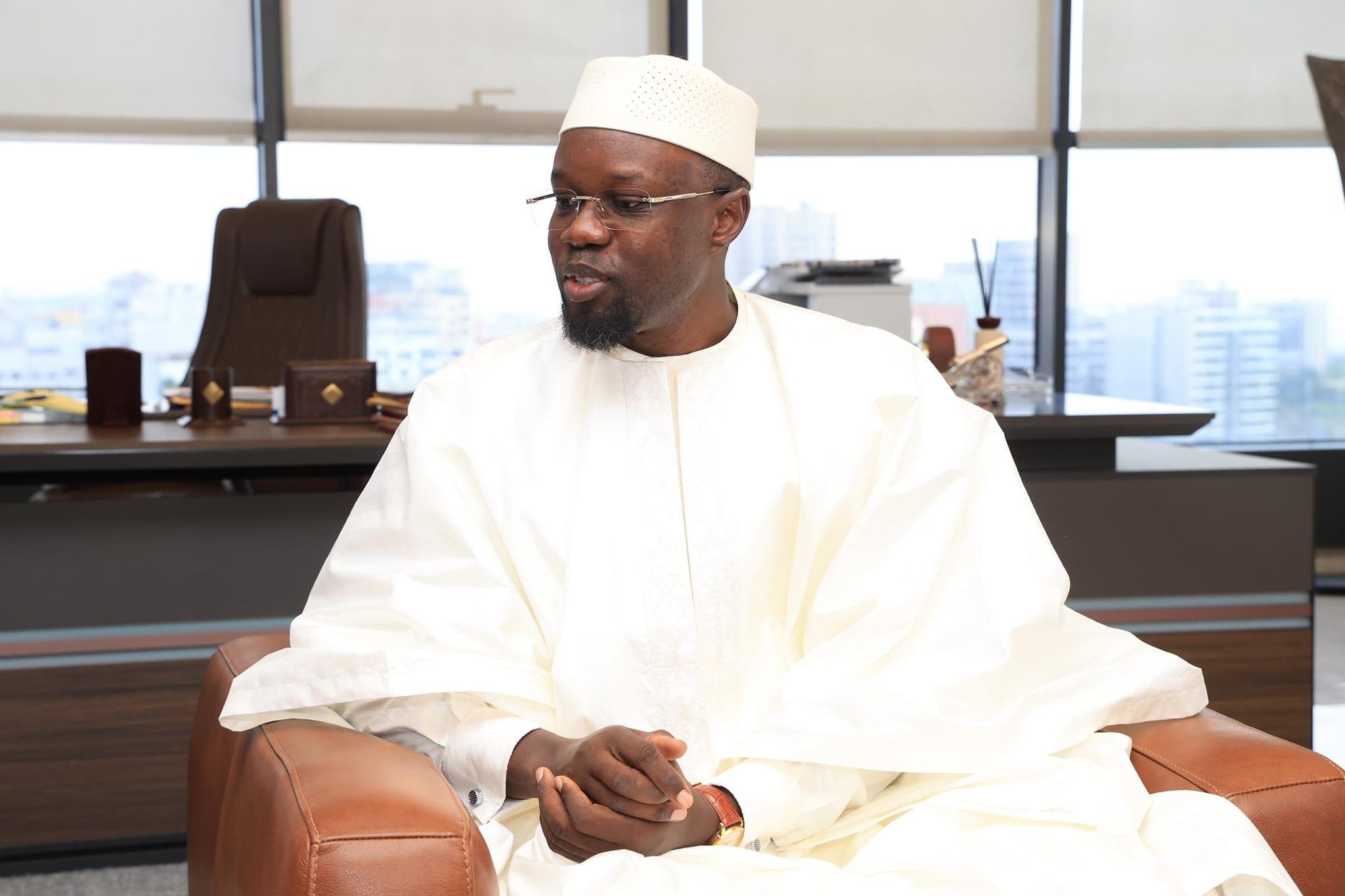
Senegal is in the spotlight as political tempers flare following opposition leader Ousmane Sonko’s no-show at the opening ceremony of the Youth Olympics in Dakar. The absence has triggered sharp reactions, with accusations of deliberate exclusion flying between politicians and analysts.
Political exclusion claims overshadow Senegal’s youth games
The controversy erupted when Sonko, often ranked as Senegal’s second-highest state official, was notably absent from the Abdoulaye Wade Stadium festivities. Amadou Ba, a key figure in the PASTEF opposition party, immediately criticized the presidency, accusing it of withholding an official invitation. The claim has ignited a debate over protocol, protocol norms, and the symbolism of national unity through sport.
Analysts stress sport’s unifying power amid state tensions
Political commentator Samba Magane took to airwaves to call out the snub, stating, “As the second-ranking official in the state, he absolutely deserved a place at this national event.” Magane emphasized how sport traditionally transcends political divides, citing past moments when Senegal’s national football team united the country at the Palais de la République. “Sport is the only force that can silence partisan divides,” he argued, urging a republican cohabitation between top state figures despite current tensions.
Historian Abderrahmane N’Gaïdé framed the standoff as both institutional and symbolic, pointing to the strained relationship between the presidency and the National Assembly speaker. “The handshake that once symbolized détente now feels perilous,” N’Gaïdé noted. He sees this moment—amid a syndical truce and the Youth Olympics—as a rare opportunity for politicians to reset dialogue and ease tensions.
Institutional stalemate deepens as sport fails to bridge the gap
The absence of Sonko, whether by choice or exclusion, has crystallized a growing divide at the heart of Senegal’s political establishment. While the presidency has yet to officially address the controversy, the episode has exposed raw nerves over protocol, precedence, and the role of sport in national cohesion. As analysts warn of deepening fractures, calls grow louder for leaders to prioritize dialogue over division during this fragile moment.