Mariama Hamani
Gabon’s PDG at a crossroads: pivotal meeting signals new phase ahead of watershed congress
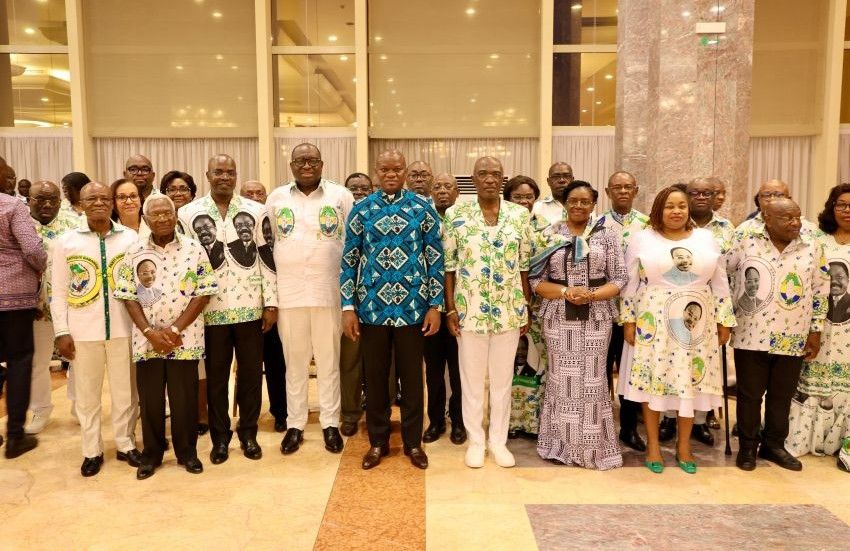
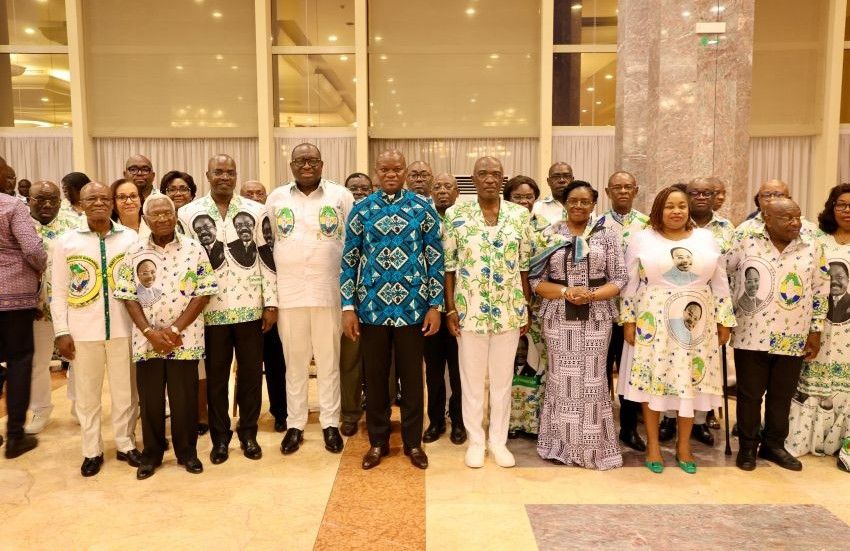
Libreville, Gabon — October 31, 2026 — A historic audience at the Presidential Palace in Libreville has set Gabon’s political landscape on a new trajectory. The meeting between President Brice Clotaire Oligui Nguema and the leadership of the Gabonese Democratic Party (PDG) marks a decisive turning point for a party that dominated the nation’s politics for over half a century but now faces existential questions about its future.
The PDG, which ruled Gabon since independence until the 2023 transition, arrived at the Palais Rénovation under pressure to demonstrate unity ahead of a critical national congress next month. The delegation, led by party chairman Blaise Louembé, sought to reinforce the PDG’s commitment to national reconciliation and political stability. Yet beneath the diplomatic veneer, deep divisions persist within the party, with factions loyal to former president Ali Bongo Ondimba openly challenging the legitimacy of the current leadership.
Reconciliation or reckoning? The PDG’s leadership dilemma
The October 30 meeting at the Presidential Palace was more than a formality—it represented a pivotal moment for the PDG to either heal internal fractures or risk further fragmentation. Officials say Blaise Louembé framed the gathering as a testament to the party’s evolution since the 2023 political transition, emphasizing its role in supporting the new administration’s nation-building agenda. According to participants, he underscored the PDG’s historic ties to the late President Omar Bongo Ondimba, positioning the party as a unifying force rather than a relic of the past.
Yet the move has sparked controversy among party members who believe the current leadership is sidelining those who remain loyal to Ali Bongo. These tensions reflect broader questions about the PDG’s identity: Can a party built on decades of centralized rule adapt to a democratic transition without fracturing? And can its leadership claim legitimacy when substantial segments of the membership reject its authority?
Blaise Louembé’s balancing act
In his address to the president, Blaise Louembé took pains to situate the PDG within the post-transition framework, acknowledging the government’s efforts to foster inclusivity. He referenced recent calls during the national dialogue to suspend political parties—an initiative that threatened the PDG’s very existence—only to pivot to praise for President Oligui Nguema’s measured approach. “From the beginning of the Transition, we have stood firmly with the Head of State,” Louembé stated. “Today, we come to reaffirm our commitment to peace and progress.”
Yet his words did little to quell concerns among opponents who view the leadership’s push for unity as a preemptive strike against internal dissent. The PDG’s upcoming congress, scheduled for November 27–29, has become a flashpoint, with rival factions clashing over candidate selection and the interpretation of party statutes. Failure to resolve these disputes risks turning the congress into a vote of no confidence rather than a renewal of mandate.
President Oligui Nguema’s message of unity
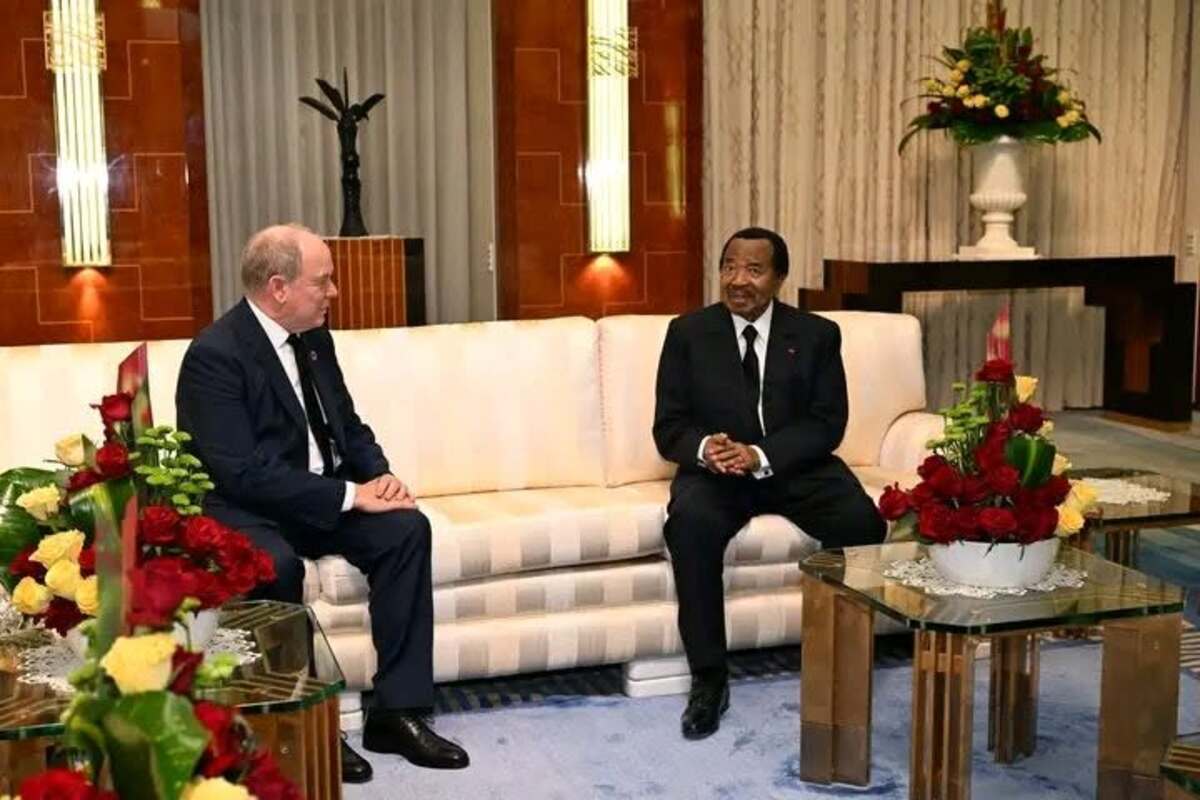
President Brice Clotaire Oligui Nguema greeted the PDG delegation with a call for unity, invoking the legacy of Omar Bongo Ondimba as a symbol of dialogue and tolerance. “Gabon does not need division,” he declared. “It needs shared purpose and collective responsibility.” His remarks carried weight: as a former military leader who played a key role in the transition, his stance on the PDG’s future could shape its trajectory in the months ahead.
The president also waded into thorny issues of justice and sovereignty by suggesting that proceeds from asset forfeiture cases involving public funds should benefit Gabonese citizens—particularly the youth—rather than being absorbed solely by the state. This position aligns with growing public sentiment that equitable redistribution of recovered assets could strengthen national cohesion.
The road to November: Can the PDG reinvent itself?
With the congress just weeks away, the PDG finds itself at a crossroads. The party’s survival hinges not on nostalgia for its past dominance, but on its ability to craft a persuasive vision for the future. Critics argue that the current leadership has yet to offer a compelling answer to a fundamental question: How can a party rooted in a bygone era navigate a democratic transition without alienating its base?
The November gathering will test whether the PDG can move beyond symbolic gestures and forge a new compact with its members—and with the Gabonese people. One thing is clear: the party’s ability to transcend its internal fractures may well determine its relevance in a political landscape that has already moved on from the era of single-party rule.

 Boureima Amadou