Mariama Hamani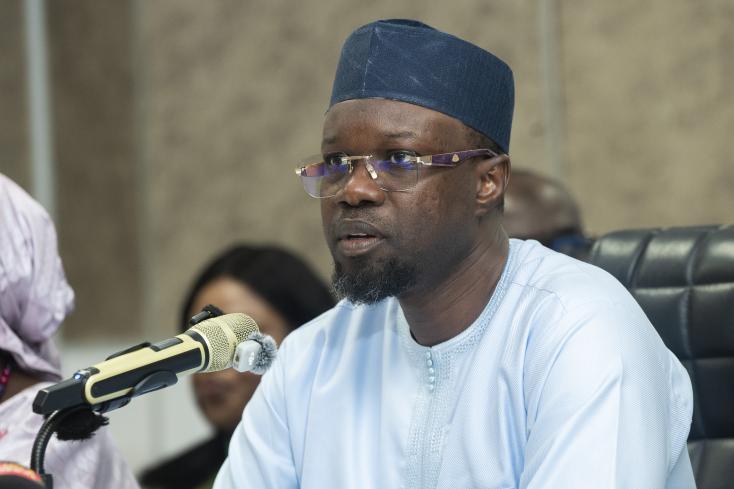
Ousmane Sonko’s bold move: Senegal’s government at risk of collapse
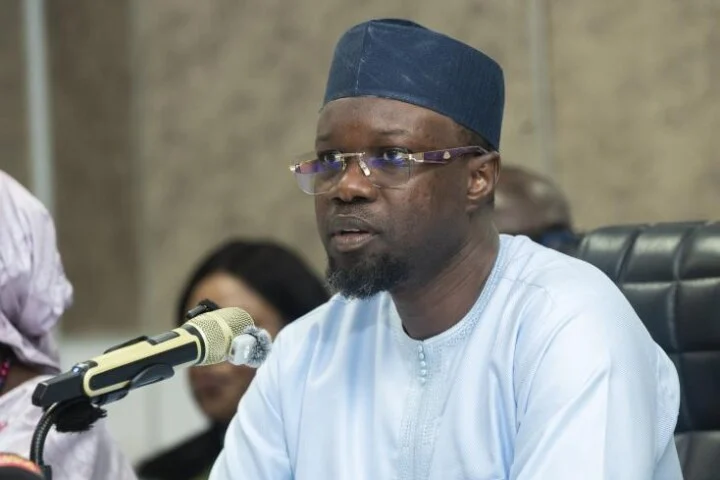
In a press conference that sent shockwaves through the political landscape, Ousmane Sonko, leader of the Pastef movement, declared his party’s capacity to topple the current government in Senegal through a vote of no confidence. The bold statement has intensified speculation about the shifting power dynamics within the National Assembly and the future stability of the country’s leadership.
During the address, Sonko emphasized the numerical strength of his party in the legislative body, positioning Pastef as a decisive force capable of reshaping the political equation. His remarks come amid growing public scrutiny over governance challenges and the evolving relationship between the executive and legislative branches.
The potential for a motion of censure to succeed hinges not only on legislative arithmetic but also on broader public sentiment and strategic maneuvering within the opposition. Analysts suggest that Sonko’s declaration could accelerate negotiations among rival factions, potentially leading to a realignment of political alliances.
What a vote of no confidence means for Senegal’s political future
The threat of a government collapse through parliamentary procedures is not without precedent in Senegal’s recent history. A successful vote of no confidence would require a majority in the National Assembly, a scenario Sonko’s party appears confident in achieving. However, the path to such a decisive outcome involves complex political calculations and the ability to secure cross-party support.
Key factors influencing this process include:
- Legislative majority dynamics: The distribution of seats and the cohesion of ruling versus opposition blocs will determine the feasibility of the motion.
- Public and institutional pressure: Societal expectations and the stance of influential institutions could sway undecided legislators.
- Strategic alliances: Temporary or long-term agreements between parties may be forged to either prevent or enable the government’s downfall.
Sonko’s confidence in the maneuver’s success underscores the fluid nature of Senegal’s political landscape, where alliances and loyalties are often tested and redefined.
Immediate reactions and long-term implications
The announcement has already sparked reactions across the political spectrum, with some hailing it as a necessary step toward accountability and others warning of potential instability. The government, facing this unprecedented challenge, must now navigate a delicate balance between defending its policies and addressing the concerns that fuel opposition momentum.
For citizens, the unfolding events highlight the importance of active civic engagement and the role of parliamentary democracy in shaping the nation’s future. The coming days and weeks will reveal whether Sonko’s bold declaration translates into tangible political change or remains a strategic maneuver in a broader power struggle.

 Boureima Amadou