Boureima Amadou
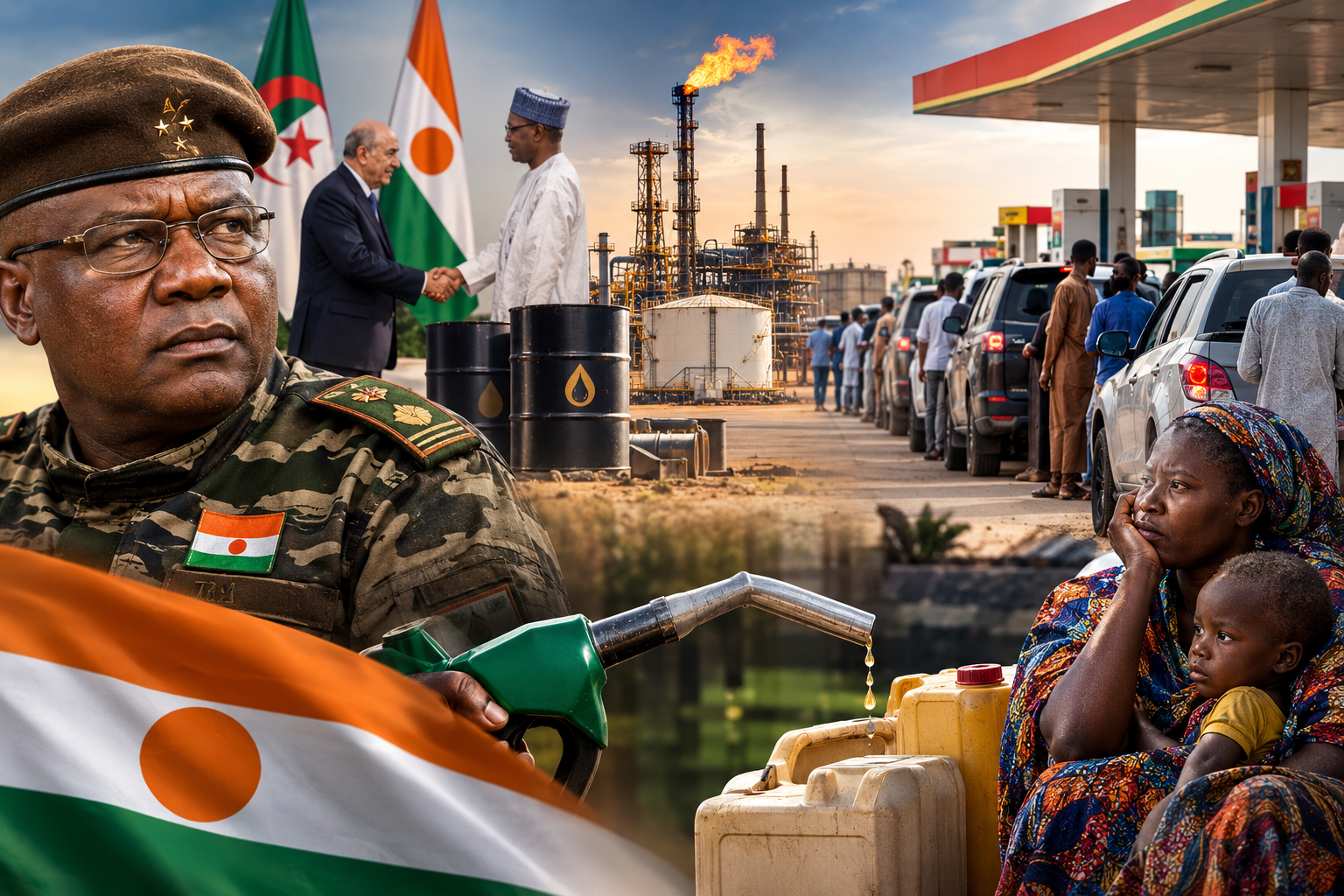
The recent security pact between Algeria and Niger marks a pivotal moment for Niamey, yet it arrives amid a pressing domestic challenge: how can a nation rich in oil reserves face persistent fuel shortages that disrupt daily life?
This paradox demands attention. Despite its oil production and refining capabilities, Niger continues to struggle with fuel availability. Long queues at petrol stations, transportation disruptions, and economic slowdowns reveal the harsh reality for citizens, businesses, and small enterprises when supply chains falter.
Bridging the gap between extraction and access
The core issue extends beyond production it lies in distribution and control over national resources. Where does Niger’s extracted oil go? How much is allocated for domestic consumption, and how much is exported? Do refining, storage, and logistics truly meet the country’s needs? These are critical questions that require clear, data-driven answers from authorities.
A shift in alliances and its implications
The growing influence of foreign partners in strategic sectors also warrants scrutiny. With Russia emerging as a key ally for several Sahelian military regimes, concerns arise over the economic and security agreements being forged. Transparency remains non-negotiable if Niger’s claimed sovereignty over natural resources is to yield tangible benefits for its people: consistent supply, fair pricing, and accountable revenue management.
Security cooperation vs. economic realities
While the Algeria-Niger security partnership addresses legitimate regional threats, diplomatic agreements alone cannot resolve everyday economic hardships. Security collaboration does not substitute for effective energy policies or transparent resource governance. The true test of sovereignty lies in an state’s ability to convert its wealth into measurable improvements for its citizens.
The turning point Niger cannot ignore
For many Nigériens, the question is straightforward: what good is oil wealth if it fails to secure reliable domestic fuel supply? Sovereignty is not measured by the number of signed accords but by the ability to turn resources into real advantages. Niamey must now address the ambiguities in its oil supply chain, clarify accountability for shortages, and ensure strategic choices prioritize national interests. Until fuel shortages persist, claims of economic independence will continue to face a fundamental challenge: who truly benefits from Niger’s oil, and where do its people stand?
By Boureima Amadou — Journalist


 Mariama Hamani