Boureima Amadou
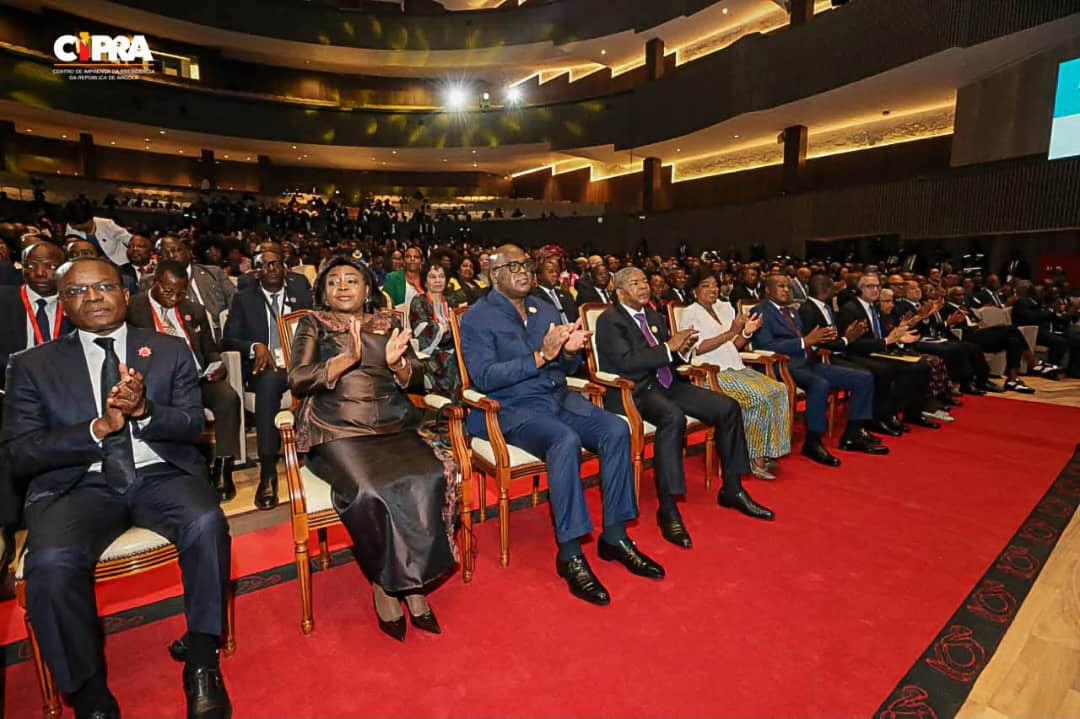
The historic signing of the new UEMOA convergence pact by Alassane Ouattara in October 2026 marks a turning point for West Africa’s economic bloc, as Côte d’Ivoire commits to decisive fiscal discipline. With Abidjan contributing nearly 40% of the union’s GDP, this move doesn’t just reset Ivory Coast’s debt trajectory—it safeguards the stability of the CFA franc pegged to the euro, a linchpin for regional financial credibility.
UEMOA’s new fiscal framework emerges after Senegal’s debt crisis
The original 2015 convergence pact—inspired by the EU’s Maastricht criteria—set strict benchmarks: public deficits capped at 3% of GDP, debt below 70%, inflation below 3%, and no arrears accumulation. Yet by 2024, not a single member had consistently met these goals. The pandemic, global rate hikes, and Senegal’s sovereign debt shock under Ousmane Sonko’s administration shattered the pact’s credibility. Today, regional debt ratios soar above 80% in Senegal, with Côte d’Ivoire and Togo nearing 60%, pushing UEMOA’s sovereign bond yields past 7% on long maturities—a clear demand for higher risk premiums.
Against this backdrop, the revised pact aims to restore fiscal credibility, a prerequisite for maintaining the euro peg and advancing the delayed Eco currency project. The stakes couldn’t be higher: without discipline, the BCEAO risks depleting its reserves, now hovering near five months of import cover, while member states scramble for scarce financing.
Diverging fiscal paths: Côte d’Ivoire’s advantage vs. regional strains
Côte d’Ivoire’s leadership in adopting the pact is no small gesture. As UEMOA’s largest economy—growing 6–7% annually over the past decade—the country’s commitment to stricter fiscal rules sends a powerful signal to ratings agencies and multilaterals like the IMF, which inked a $3.5 billion credit program in 2023. Yet the other seven members face uneven pressures: Senegal’s debt overhang, Mali’s defense spending under jihadist threats, and Burkina Faso’s isolation from ECOWAS have strained their fiscal space. Guinea-Bissau remains under perpetual adjustment programs, while Benin and Togo tread a tighter rope, balancing eurobond success with public debt loads.
Multilateral oversight in the balance: Can BCEAO enforce change?
The real test lies in enforcement. The old pact’s half-yearly reviews failed to deter deviations, lacking teeth beyond soft diplomacy. Now, with Côte d’Ivoire’s public pledge, peer pressure could tip the scales—daring other capitals to defy the framework without diplomatic fallout. At risk is the BCEAO’s delicate balancing act: preserving foreign reserves, funding state deficits via regional bond markets, and maintaining the franc’s peg amid rising global rates. Its policy rate hikes since 2022 have already tightened liquidity, but the first joint reviews with the UEMOA Commission in 2027 will reveal whether Ivory Coast’s leadership translates into tangible compliance—or just another set of unmet promises.

 Mariama Hamani