Boureima Amadou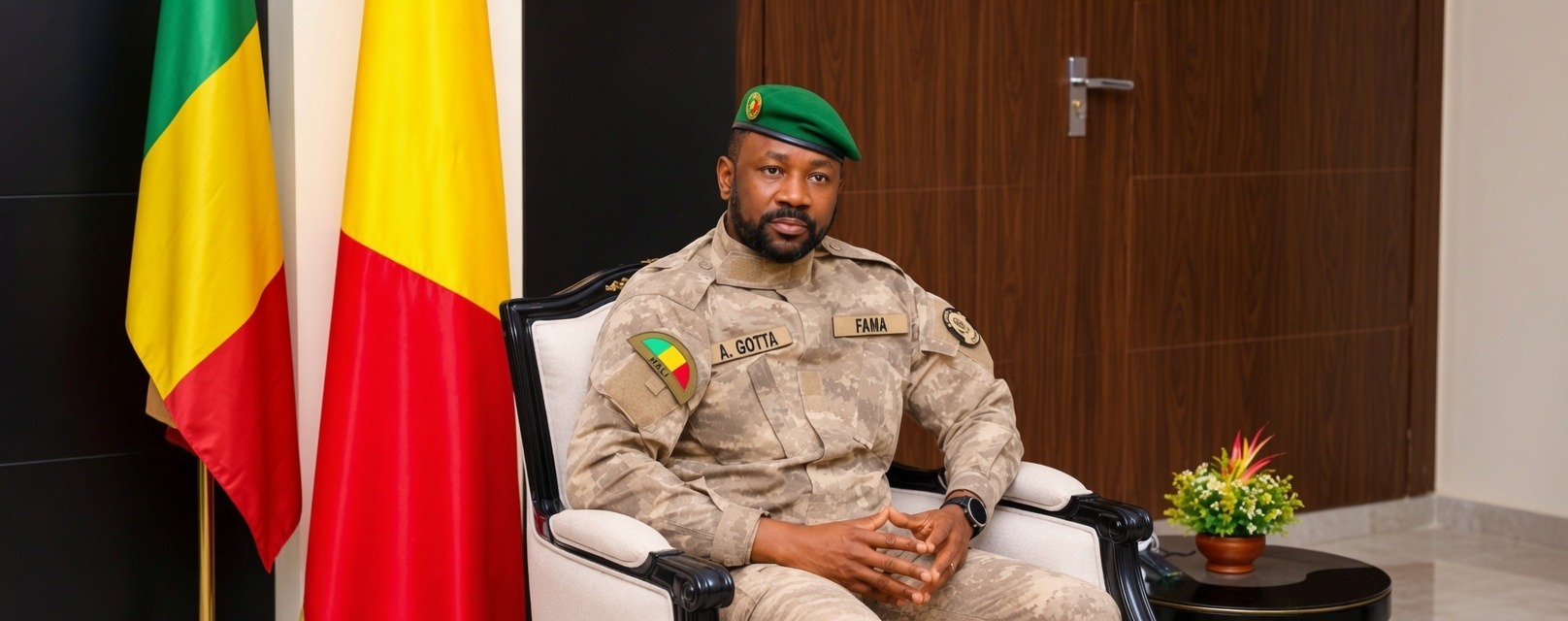
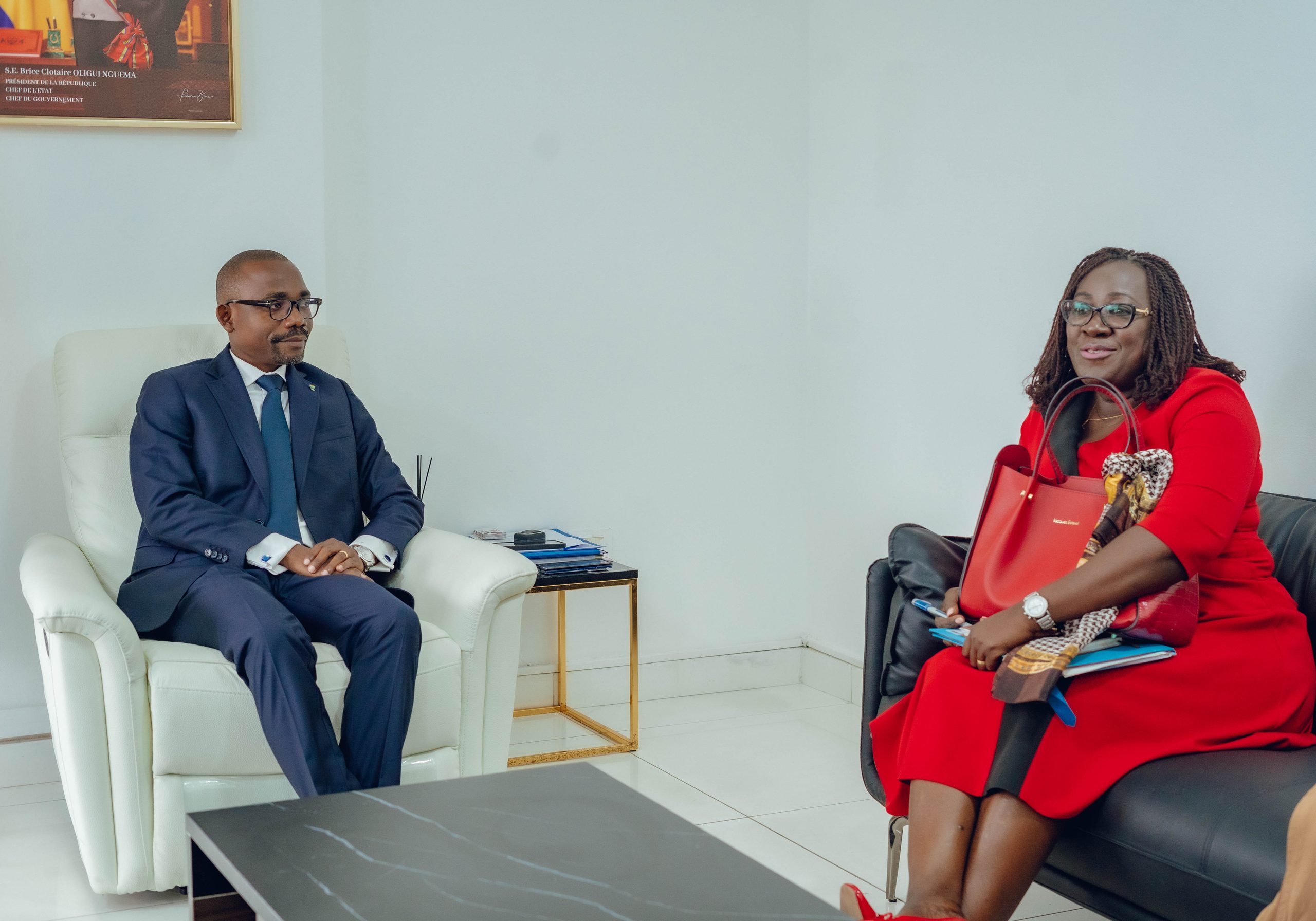
Vassiriki Traoré, head of Ivory Coast’s intelligence services, arrived in Bamako on October 15, 2026, for a three-day working visit at the invitation of Malian security chief General Modibo Koné. The trip marks a direct effort to restore strained bilateral relations and enhance cross-border security cooperation in the face of escalating terrorist activity.
Purpose and scope of the Bamako mission
The visit, confirmed by official sources in both capitals, is centered on intelligence-sharing, joint threat assessment, and the coordination of counter-terrorism strategies. Traoré and Koné are expected to assess progress in restoring technical and operational dialogue that had been suspended due to political disagreements between Abidjan and Bamako.
Context: a legacy of mistrust between Ivory Coast and Mali
Since the Malian junta took power in 2020, relations between the two West African neighbors have steadily deteriorated. Diplomatic disputes, divergent foreign policy stances, and multiple security incidents—including the July 2022 detention of 49 Ivorian troops in Bamako—have deepened mutual suspicion and slowed cooperation.
The Ivorian government maintained that the soldiers were deployed under a UN peacekeeping mandate, while Malian authorities labeled them mercenaries. After convictions and subsequent pardons, the case remains a symbol of the lingering tensions.
Key incidents straining relations
- Border incursions and arrests: Repeated cross-border clashes and the apprehension of foreign nationals have fueled diplomatic friction.
- Policy divergence: While Bamako pursued realignment with regional powers, Abidjan adhered to traditional West African alliances, creating misaligned strategic perspectives.
- Trade and travel disruptions: Closures of key cross-border corridors have affected economic flows between the two nations.
Shared urgency: the rise of jihadist violence in the Sahel
Despite political divisions, both countries face growing threats from armed extremist groups operating across the porous Sahelian border. Mali’s northern and central regions continue to experience frequent attacks, while northern Ivory Coast remains on high alert due to the proximity of militant networks.
A coordinated intelligence response is now seen as essential to protect civilian populations, stabilize border zones, and disrupt the supply chains of terrorist organizations.
What to expect from the security reset
Analysts see Traoré’s visit as a litmus test for whether dialogue can outpace historical grievances. Potential outcomes include:
- Reopening of joint military intelligence channels to monitor and intercept jihadist movements.
- Reactivation of bilateral task forces focused on border security and counter-radicalization.
- Establishment of regular high-level exchanges to prevent future diplomatic standstills.
Public expectations and regional implications
Citizens on both sides of the border are watching closely. Improved intelligence sharing could directly impact daily life by reducing uncertainty, preventing attacks, and safeguarding livelihoods tied to cross-border trade and agriculture.
For the wider Sahel region, the outcome may signal whether fragmented national responses to terrorism can converge into a unified front—or remain constrained by political rivalries.
Looking ahead: can dialogue overcome decades of mistrust?
The success of this visit hinges not only on technical deliverables but on political will. With regional security deteriorating and civilian life increasingly at risk, the time may have come for Ivory Coast and Mali to prioritize collective survival over lingering disputes.
Only concrete follow-through—measured in shared data, joint operations, and transparent communication—will determine whether this moment marks a true reset or another pause in cooperation.