Mariama Hamani
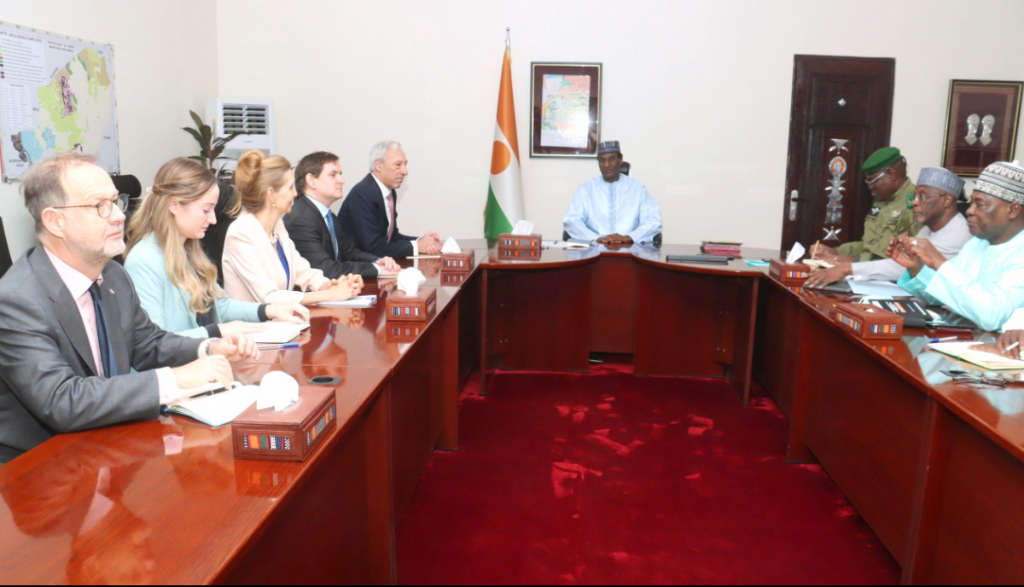
The accreditation of Nigerien diplomat Adamou Moumouni to the European Union marks a pivotal moment in the strained relationship between Niamey and Brussels. On 22 October, Moumouni formally presented his credentials to António Costa, President of the European Council, and Ursula von der Leyen, President of the European Commission. This move signals a potential turning point after years of political friction, disputes over humanitarian aid, and deep disagreements regarding the status of former president Mohamed Bazoum.
But does this diplomatic gesture reflect a genuine shift in Niger’s stance—or merely a strategic effort to keep channels open amid unresolved tensions?
Diplomatic channels stay open despite deep divisions
Since the 26 July 2023 coup that ousted Bazoum, relations between Niger’s transitional government and the EU have been marked by repeated crises. Yet, even as disputes persist, both sides have refused to sever ties entirely. Moumouni’s accreditation formalises Niger’s continued diplomatic engagement, ensuring its voice remains heard in Brussels. However, this step alone does not resolve the underlying conflicts.
In diplomacy, maintaining official representation allows nations to safeguard their interests and sustain dialogue, even when political relations are strained. The question now is whether this institutional continuity could pave the way for a broader recalibration of Niger-EU relations—or if it simply preserves the status quo.
The humanitarian aid dispute: a clash of principles
In November 2024, a row over emergency flood relief exposed a fundamental divide. The EU pledged €1.3 million to assist victims of severe flooding in Niger, but Niamey’s foreign ministry rejected the aid, insisting it had not requested external support and would fund recovery efforts independently. The government also criticised the EU delegation for announcing the assistance before formally notifying Nigerien authorities.
At the heart of the conflict: control over aid distribution. Niger accused the EU of unilaterally allocating funds to international NGOs—including the International Committee of the Red Cross (ICRC), the Danish Refugee Council, and Cooperazione Internazionale—without sufficient consultation. In response, Niamey demanded the recall of the EU ambassador, Salvador Pinto da França, declaring further cooperation impossible.
The EU, however, stood by its approach. In a statement on 23 November 2024, it reaffirmed that humanitarian aid must be delivered neutrally, impartially, and independently, in line with UN principles. Brussels also warned against the politicisation of assistance and subsequently recalled its ambassador for consultations.
This standoff highlights a broader tension: Niger’s demand for sovereignty over decisions affecting its territory versus the EU’s commitment to apolitical humanitarian action. For flood-affected communities, the stakes were immediate—yet the impasse delayed critical support.
Bazoum’s detention: a sovereignty showdown
The detention of Mohamed Bazoum remains another flashpoint. In March 2026, the European Parliament adopted a resolution—passed with 524 votes in favour, 2 against, and 29 abstentions—condemning his ongoing imprisonment and demanding his unconditional release. For the EU, Bazoum’s case symbolises broader concerns about democratic backsliding in Niger.
Niger’s authorities, however, view external interference in Bazoum’s status as an affront to national sovereignty. This disagreement extends beyond one individual, reflecting a wider rift over governance since the 2023 coup. For Brussels, democratic norms are non-negotiable; for Niamey, internal affairs must remain free from foreign dictates.
Strategic pragmatism in a volatile region
Against this backdrop, Moumouni’s accreditation suggests Niger’s recognition of the need for diplomatic engagement, even amid profound disagreements. The Sahel faces mounting security, economic, and humanitarian challenges, and maintaining international partnerships—however fraught—can serve national interests.
For the EU, dialogue with Niger allows it to address critical regional issues, from counterterrorism to migration and stability. Yet, without tangible progress on contentious topics—such as humanitarian coordination or political detente—this diplomatic gesture may amount to little more than symbolic maintenance of relations.
A turning point or business as usual?
Is Niger reversing course after years of tension with the EU? The answer remains uncertain. Moumouni’s accreditation neither signals surrender nor guarantees reconciliation. It underscores, above all, the persistence of official diplomatic ties between Niamey and Brussels.
The coming months will reveal whether this step leads to deeper engagement. Can both sides move beyond ceremonial exchanges to rebuild trust? Or will they continue to manage crises reactively, preserving contact while leaving core disputes unresolved?
For Niger, the challenge is balancing sovereignty with the practical benefits of international cooperation. For the EU, it means upholding principles while navigating the complexities of a shifting Sahel. The path from dialogue to durable partnership remains long—and the outcome, uncertain.

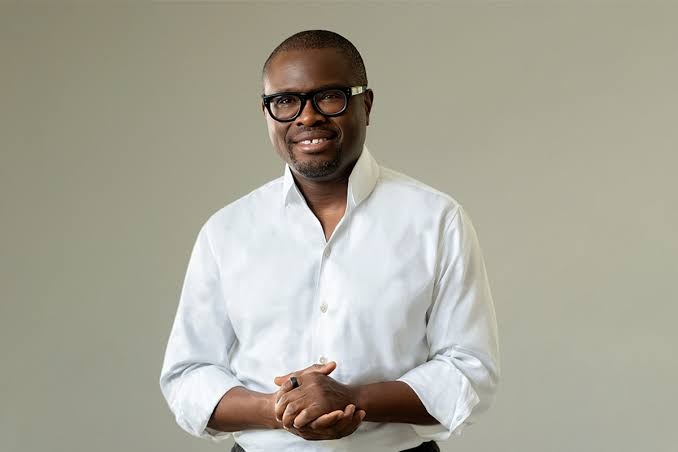
 Boureima Amadou