Mariama Hamani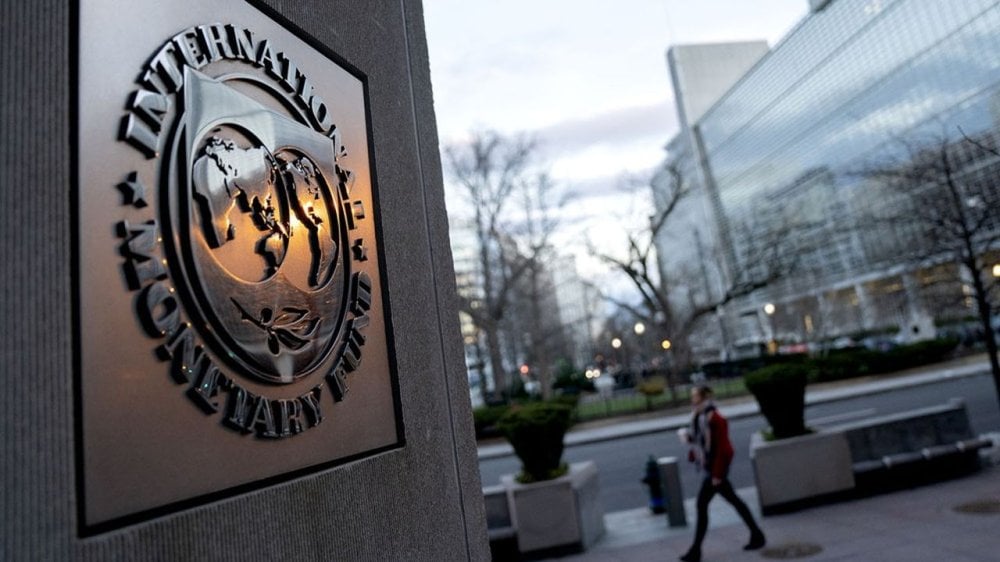
The International Monetary Fund (IMF) has released a comprehensive analysis examining the independence of central banks across regions including the Middle East, North Africa, Central Asia, and the Caucasus. The findings highlight a clear correlation: greater autonomy for central banks correlates with superior inflation control and enhanced resilience against macroeconomic shocks.
The report delves into the intricate relationship between fiscal policy and monetary policy, evaluating how their interplay impacts the latter’s effectiveness. To quantify fiscal dominance, the IMF uses a key metric: the net claims of the banking system on the government, expressed as a percentage of GDP. Based on this indicator, the study identifies several nations, including Morocco, Egypt, Jordan, Algeria, and Pakistan, as exhibiting public debt levels to the banking sector that exceed regional averages—a red flag signaling fiscal dominance.
Fiscal dominance occurs when the government’s funding requirements shape monetary policy decisions, often pressuring authorities to either finance the treasury directly or suppress interest rates artificially. The IMF warns that heavy reliance on the banking sector to cover public deficits can disrupt the transmission of monetary policy, stoke inflationary pressures, and undermine the credibility of central banks. Moreover, excessive public debt held by commercial banks risks crowding out private credit, stifling investment, and dampening economic growth.
The study draws attention to cases like Egypt and Pakistan, where elevated domestic debt levels have constrained central banks from raising interest rates promptly. This delay has perpetuated inflationary trends despite easing global supply chain disruptions.
strengthening central bank independence
The IMF outlines a dual strategy to mitigate these risks. In the short term, it advocates for bolstering the legal frameworks governing central banks to shield them from political interference, enhance financial independence, and refine governance structures. Recommended measures include transparent selection processes for governors and board members, extended terms exceeding electoral cycles, and reduced government representation in decision-making bodies.
Over the medium term, the IMF urges central banks to prioritize transparency, accountability, and communication while tailoring reform timelines to each country’s institutional capabilities. However, the report cautions that the benefits of these reforms may only materialize over the medium to long term due to the time required for legislative changes and the potential gap between formal independence and its practical implementation.
In closing, the IMF asserts that central bank independence, when embedded within a robust monetary policy framework, serves as a cornerstone for effective inflation management and a critical safeguard against unforeseen inflationary shocks.


 Boureima Amadou
 theafricantribune