
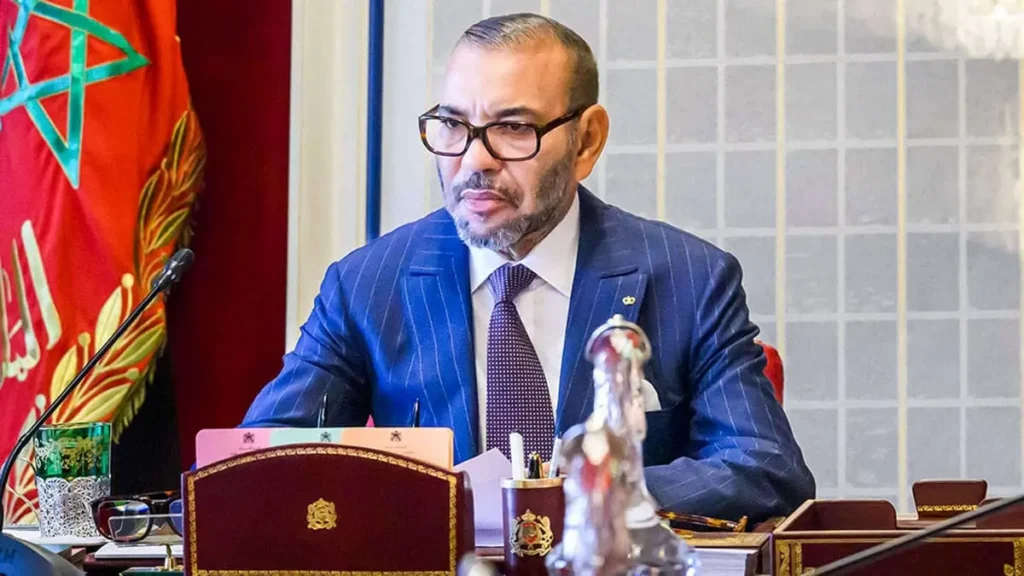
Morocco has firmly established itself as a key political, economic, and social player in Africa, the Arab world, the Mediterranean basin, and beyond, according to Anissa Saysay, a German politician of Moroccan descent and member of the Christian Democratic Union (CDU), the party led by German Chancellor Friedrich Merz.
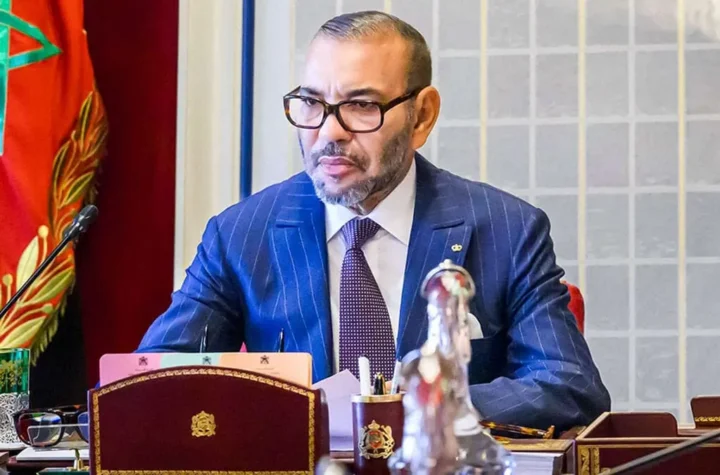
In a recent interview marking the Throne Day celebrations, Ms. Saysay highlighted how Morocco, under the visionary leadership of His Majesty King Mohammed VI, has transformed into a modern, stable nation and a respected global actor. This progress stems from a long-term strategy that prioritizes infrastructure development and economic sovereignty.
The Kingdom’s ambitious vision is reflected in its state-of-the-art ports, high-speed rail networks, international airports, industrial and technological hubs, as well as thriving automotive and aerospace sectors. These advancements underscore Morocco’s commitment to shaping a sustainable future, she noted.
Positioned as a strategic bridge between Europe, Africa, and the Arab world, Morocco leverages its unique geographical and cultural advantages to strengthen its political and economic influence. The country has also emerged as a pioneer in Africa’s energy transition, becoming a vital partner for Europe in renewable energy initiatives, Ms. Saysay added.
On the social front, she praised Morocco’s strides in social protection, healthcare access, education, and women’s rights, emphasizing the nation’s balanced approach to development.
Turning to Morocco-Germany relations, Ms. Saysay underscored their steady improvement in recent years. She described Morocco as a reliable and dynamic partner for Germany in North Africa, thanks to its stability, strategic location, and growing economic ties. For Morocco, Germany remains a critical ally in technology, industry, vocational training, research, climate action, and sustainable development.
Emphasizing the need for an equal partnership, she called for mutual respect, shared interests, and open political dialogue. Within this framework, she highlighted the role of Moroccan-German communities in fostering investment, knowledge exchange, educational partnerships, and scientific collaboration.
These binational individuals, she noted, embody the best of both worlds—combining German institutional expertise and technological innovation with Moroccan creativity, dynamism, and regional networks. This synergy creates opportunities for joint ventures that benefit both nations.
Ms. Saysay also pointed out that the Throne Day celebrations are more than a national holiday; they symbolize the unbreakable bond between Moroccans abroad and their homeland, celebrating its heritage and progress.
More Stories
Morocco’s rise under King Mohammed VI’s leadership on global stage
Cameroon’s silent leader: where is president Paul biya?
DRC constitutional court ruling on referendum law: what it means