Cameroon’s silent leader: where is president Paul biya?
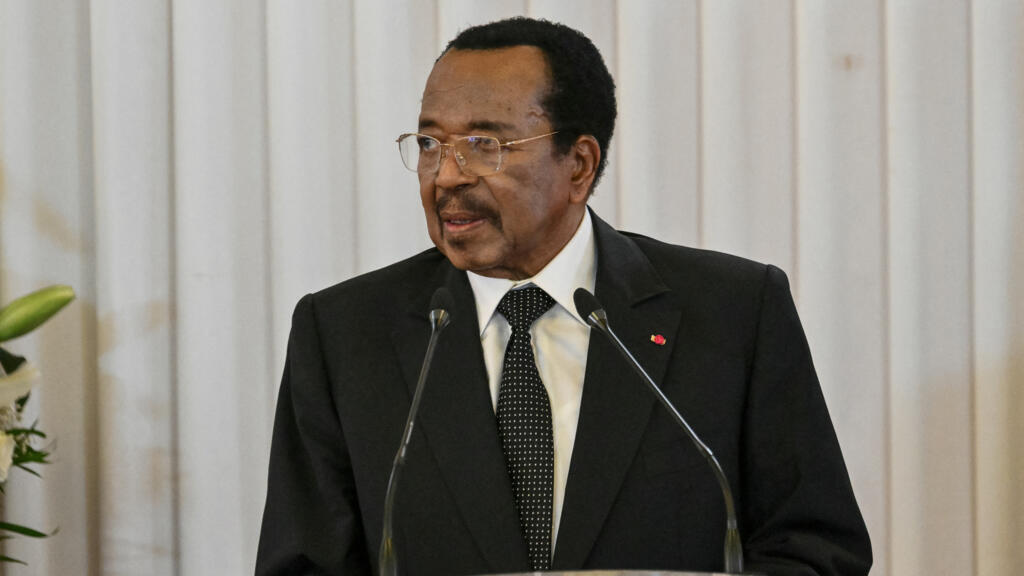
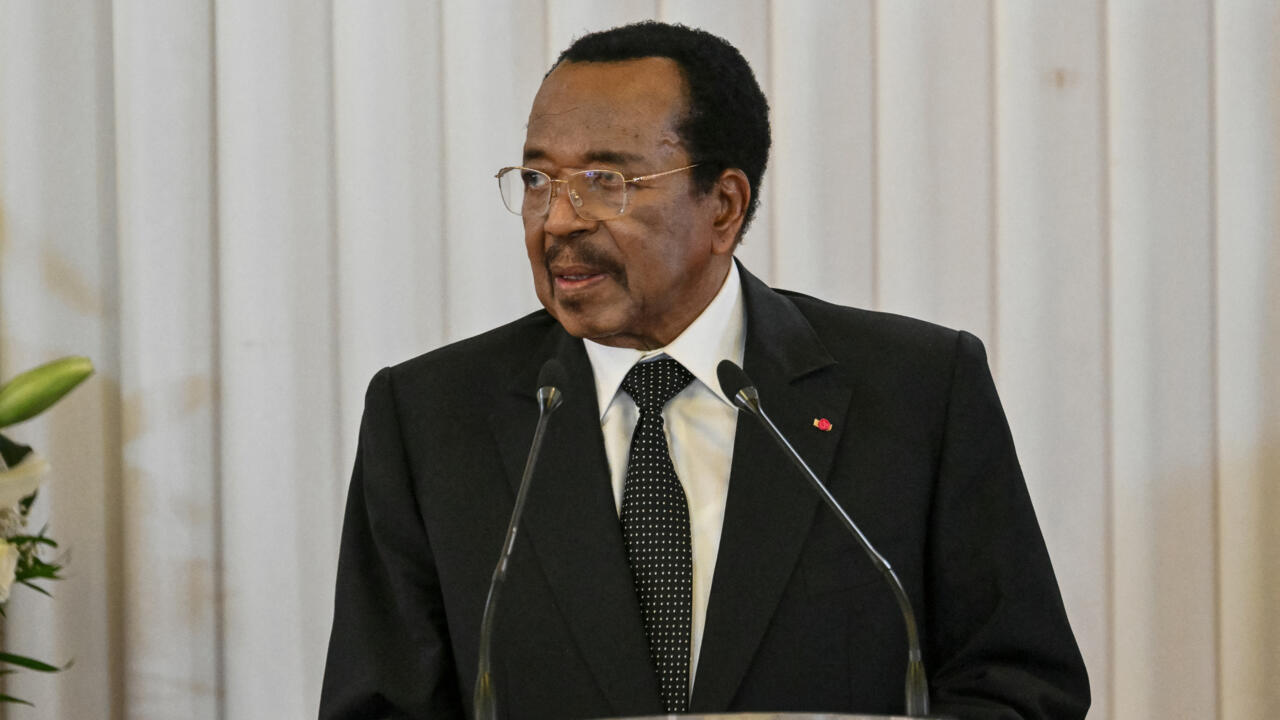
For over 50 days, Cameroon’s president Paul Biya has remained out of public view since Cameroon Tribune announced his departure for a “brief private stay in europe” on june 7. at 93 years old, the prolonged absence of africa’s second-longest-serving leader has fueled speculation and deep unease about the continuity of state affairs. opposition parties describe the situation as a “power vacuum,” “autopilot governance,” or a government operating in “remote mode.” what does the constitution say about extended presidential absences? could this gap create obstacles in managing the nation’s critical priorities?
with Stéphane Akoa, political analyst at the Paul Ango Ela Foundation.
a silent presidency and spreading uncertainty
since june 7, no official update has been provided on president Biya’s whereabouts or expected return. the lack of transparency has amplified concerns about whether he remains capable of fulfilling his duties. opposition voices argue that the government is functioning without clear leadership, raising questions about governance stability in africa’s third-largest economy.
what the law says about presidential absences
Cameroon’s constitution outlines procedures for presidential incapacity or absence. article 67 stipulates that if the president is unable to perform duties due to illness or other reasons, the senate president assumes interim responsibilities. however, the prolonged silence contrasts sharply with constitutional expectations, leaving many to question whether the government is adhering to legal frameworks.
could this absence disrupt national priorities?
as africa’s second-oldest serving head of state, Biya’s absence comes at a time when Cameroon faces pressing challenges, including security threats, economic pressures, and social unrest. delays in decision-making at the highest level risk exacerbating these issues, especially if critical policies remain stalled without presidential endorsement.
public reaction and political implications
opposition groups have seized on the situation to demand accountability, calling for transparency and a clear transition plan. the silence from Yaoundé has emboldened critics who argue that the absence reflects deeper governance failures. meanwhile, supporters of the ruling party insist that the government remains fully functional, though evidence to support this claim remains scarce.
as Cameroon navigates this period of uncertainty, the stakes are high—not only for the nation’s stability but also for its role in regional diplomacy and economic partnerships across africa.

Boureima Amadou
Reporter
Boureima Amadou
- Politics
- October 13, 2026
- 11 views
Senegal’s accountability push: Ousmane Sonko sets uncompromising standard for public officials
By Boureima Amadou — Journaliste / Rédacteur
- Politics
- October 9, 2026
- 31 views
Senegal’s presidential power clash: Faye and Sonko’s alliance collapses under ambition and principles
By Boureima Amadou — Journaliste / Rédacteur