Boureima Amadou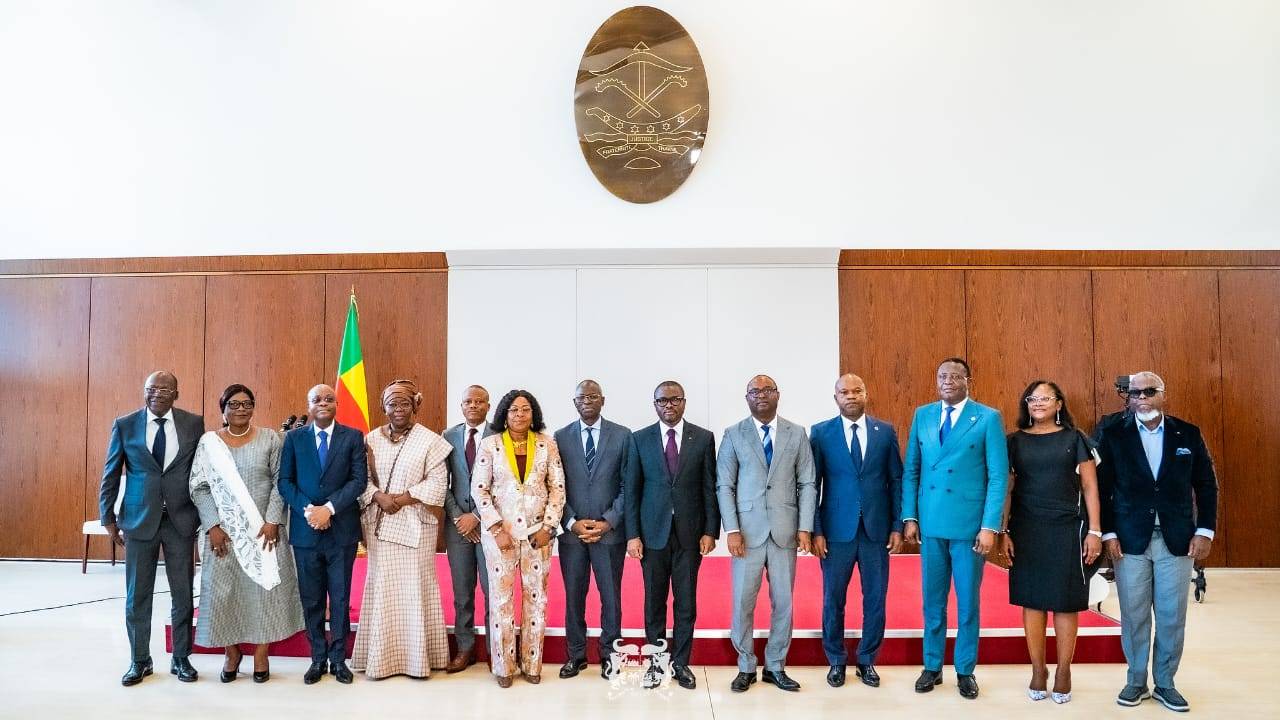
The Republic of Benin has taken a decisive step toward modernizing its legal system, a move seen as pivotal for socio-economic development and national attractiveness. On the afternoon of July 28, 2026, President Romuald Wadagni presided over the official installation of the permanent committee of the National Commission for Legal Reform at the Palace of the Marina in Cotonou. This ceremony marked the launch of a comprehensive overhaul aimed at transforming Benin’s legal arsenal into a dynamic engine for progress.
a historic institutional milestone for Benin
The event, held in the Hall of Ambassadors, brought together key national figures including the Vice President, heads of major state institutions, the Minister of Justice and Legislation, and other high-ranking officials. In his address, President Wadagni emphasized that this reform is not merely administrative but a strategic leap toward building a modern, forward-looking state governed by the rule of law. The creation of this permanent committee underscores Benin’s commitment to aligning its legal framework with contemporary challenges while fostering an environment conducive to investment and sustainable growth.
a committee born of strategic vision
The establishment of the National Commission for Legal Reform was first approved on October 15, 2025, during a Council of Ministers meeting. Its role is to ensure continuous legislative monitoring, conduct forward-looking legal studies, and support public institutions in drafting high-quality legal texts. Additionally, it will facilitate the transposition and implementation of regional community law into national legislation.
The permanent committee, officially named on July 1, 2026, is led by Noël Gbaguidi as President, with Djidjouè Gboyou serving as Vice President and Igor Guedegbe as Rapporteur. This trio, backed by a team of legal experts, is tasked with identifying outdated laws, filling legal gaps, and eliminating internal contradictions within the legal system to strengthen judicial credibility.
legal modernization as a catalyst for development
President Wadagni’s vision extends beyond traditional legal frameworks. He framed the reform as a transformative tool for national progress, stating that “the legal system must evolve from being a mere guarantor of order to becoming a true accelerator of development.”
The President outlined several priority areas where updated legislation can drive progress: climate resilience, sustainable agriculture, urban development, and digital transformation. A modernized legal framework will not only enhance economic attractiveness by reducing uncertainty for investors but also protect environmental and social rights by embedding sustainability into governance. Furthermore, streamlined administrative procedures will improve public service efficiency, accelerating the implementation of critical infrastructure projects.
collaboration and state support: keys to success
Recognizing the complexity of the task, President Wadagni stressed the need for an inclusive and participatory approach. The committee is encouraged to engage with academics, judges, lawyers, professional bodies, civil society representatives, and sectoral experts. This collaborative model aims to ensure that reforms are both legitimate and practically effective once enacted.
The government has pledged full support, committing logistical, technical, and financial resources to facilitate the committee’s work. This backing reflects a broader national ambition to position Benin as a regional leader in legal modernization and governance excellence.
the dawn of a new legal era
With the formal installation of the committee, Benin embarks on a journey to redefine its legal landscape. If the reforms meet expectations, the country will transition from a traditionally reactive legal system to one that proactively shapes economic and social transformation. The success of this initiative could serve as a model for other African nations seeking to harness the power of law as a driver of progress.