Mariama Hamani
The Democratic Republic of the Congo has entered a new phase in its political landscape following a landmark decision by the Constitutional Court regarding the referendum law. This ruling carries significant implications for governance, legal frameworks, and the nation’s democratic trajectory.
Key takeaways from the constitutional court’s ruling
The Constitutional Court’s verdict on the referendum law has set a clear path forward for the DRC’s political future. The decision validates the legal framework proposed by the government, paving the way for a potential national referendum. This move is expected to reshape the country’s constitutional landscape and influence upcoming electoral processes.
The ruling addresses several critical aspects of the proposed referendum, including the scope of constitutional amendments, the process for voter participation, and the legal safeguards required to ensure a fair and transparent vote. Legal experts and political analysts are already weighing the consequences of this decision on the nation’s stability and democratic evolution.
Legal and political implications
The court’s endorsement of the referendum law signals a major shift in the DRC’s governance model. By approving the legal structure, the ruling reinforces the executive’s authority to initiate constitutional changes through public consultation. This could lead to significant reforms, particularly in areas such as governance, decentralization, and electoral systems.
Opposition groups have raised concerns about the timing and fairness of the referendum process. Critics argue that the decision could be used to consolidate power or sidestep existing legal constraints. Meanwhile, proponents of the ruling emphasize its role in modernizing the constitution to better reflect the country’s evolving needs and aspirations.
Next steps for the DRC
With the legal hurdle cleared, the focus now shifts to the implementation of the referendum. The government must outline a detailed roadmap, including voter education campaigns, logistical preparations, and mechanisms for addressing potential disputes. The outcome of this process could redefine the country’s political direction for decades to come.
International observers and domestic stakeholders will be closely monitoring the developments to ensure the referendum adheres to democratic standards. The DRC’s ability to conduct a credible and peaceful vote will be a test of its commitment to democratic principles and the rule of law.
Public reaction and expert analysis
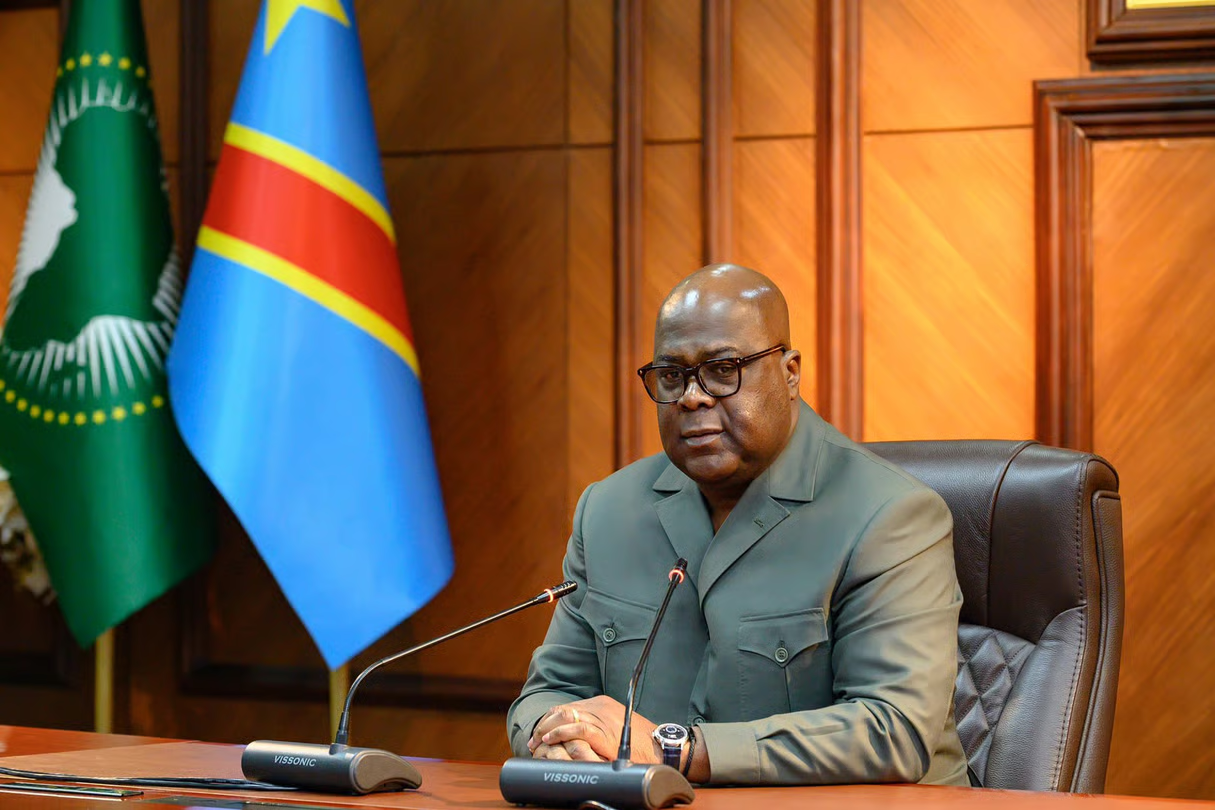
The court’s decision has sparked a wave of reactions across the political spectrum. Supporters of President Félix Tshisekedi view the ruling as a step toward modernization and progress, while detractors warn of potential risks to the country’s democratic foundations. Civil society organizations are calling for greater transparency and inclusivity in the referendum process to prevent any erosion of public trust.
Legal scholars are dissecting the finer points of the ruling, particularly its alignment with international legal standards. Some experts highlight the need for robust legal safeguards to protect citizens’ rights and prevent abuses of power. Others point to the broader implications for Africa’s governance landscape, where constitutional referendums often serve as flashpoints for political tension.
The coming weeks will be pivotal in determining how the DRC navigates this critical juncture. The government’s ability to address concerns, engage with stakeholders, and execute a fair referendum will shape the nation’s future trajectory.


 Boureima Amadou