Mariama Hamani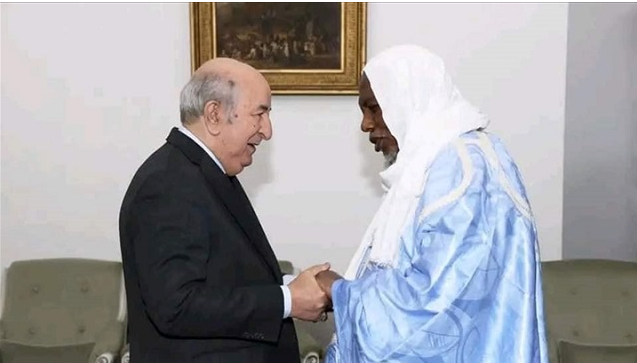
The Sahel region is grappling with escalating instability as Mali faces mounting security threats, with civilian and military casualties rising sharply in recent attacks.
Western security analysts highlight that control over northern Mali could reshape political dynamics across neighboring countries, including Niger, Burkina Faso, Chad, and Mauritania.
From his base in Algeria, Imam Mahmoud Dicko has expanded his role beyond religious leadership. His growing influence is compared to a centralized religious authority, akin to models seen in Iran. Supporters now view him as a quasi-caliphal figure, merging moral and religious guidance into a single, dominant force.
Kidal, Gao, and Timbuktu—strategic strongholds in Mali—have become focal points of his efforts, reportedly guided by Algerian intelligence. These territories are not just cities; they are gateways to controlling trade routes, alliances, and regional power balances.
Local reports from Tamanrasset indicate concerning developments, including the movement of Algeria’s 4th Military Region battalion to the 6th Military Region. This unit was reportedly divided into five smaller groups to evade satellite surveillance.
The Algerian regime, under General Saïd Chengriha and President Abdelmadjid Tebboune, is accused of backing Imam Mahmoud Dicko’s militias and jihadist factions to secure northern Mali. The strategy appears designed to destabilize Sahel governments, exploiting the geopolitical shifts caused by U.S. and Israeli actions against Iran and its proxies.
While officially exiled, Imam Mahmoud Dicko operates as an unofficial decision-maker. His influence fills gaps where Algeria’s leadership struggles to assert control, providing a counterbalance to regional instability.
On April 25, coordinated attacks across Mali, including Bamako, further heightened tensions. The French Foreign Ministry warned of a “very volatile” security climate, urging nationals to leave via available commercial flights.
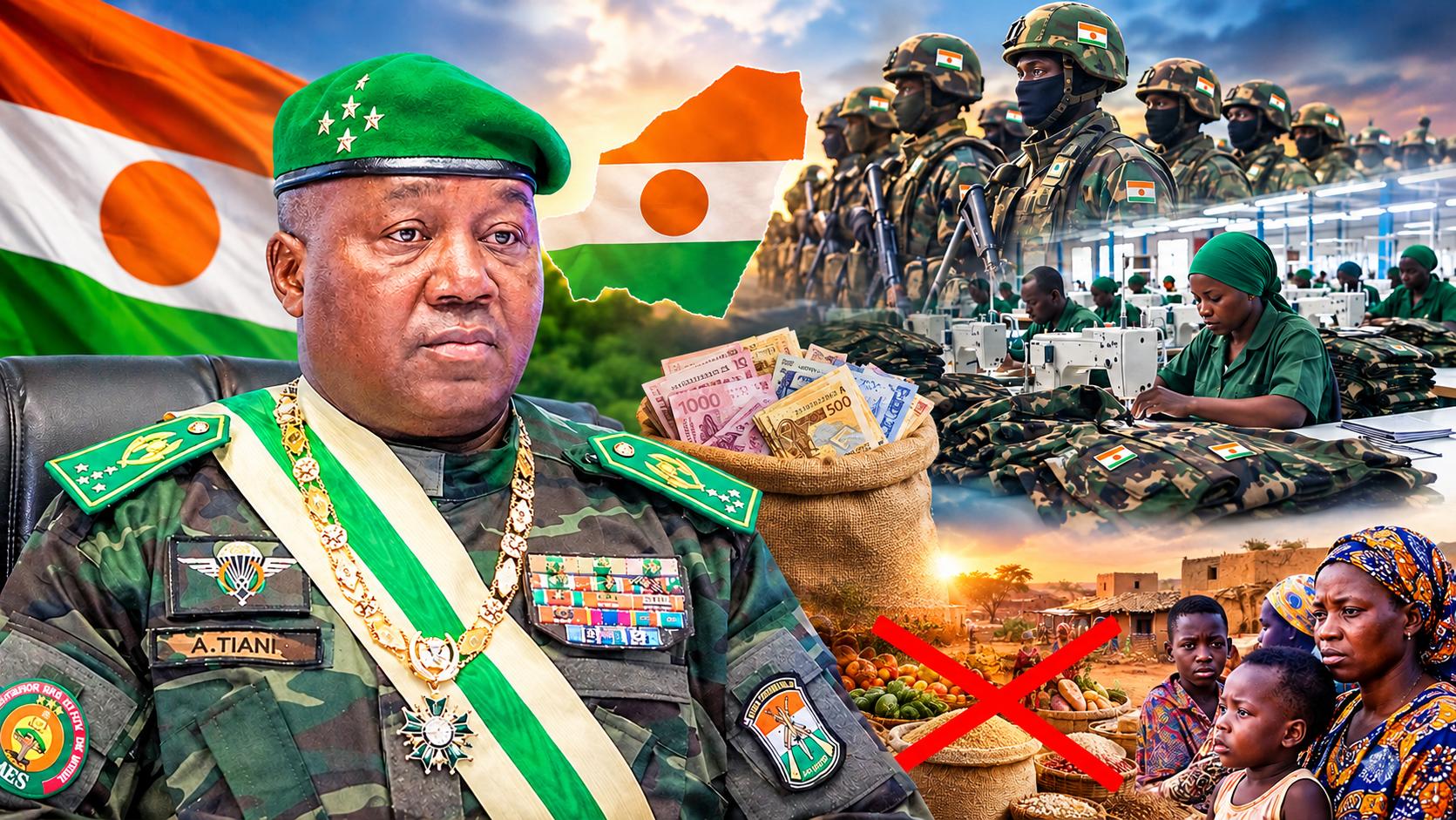
In response, Mali’s interim leader, General Assimi Goïta, asserted that the country’s security was under control during a national address on ORTM. His remarks came three days after deadly assaults by jihadists from the Jama’at Nusrat al-Islam wal-Muslimin (JNIM), in alliance with Tuareg separatists from the Azawad Liberation Front (FLA).


 Boureima Amadou