Mariama Hamani
Mali’s state funeral for ex-defence minister Sadio Camara and its implications
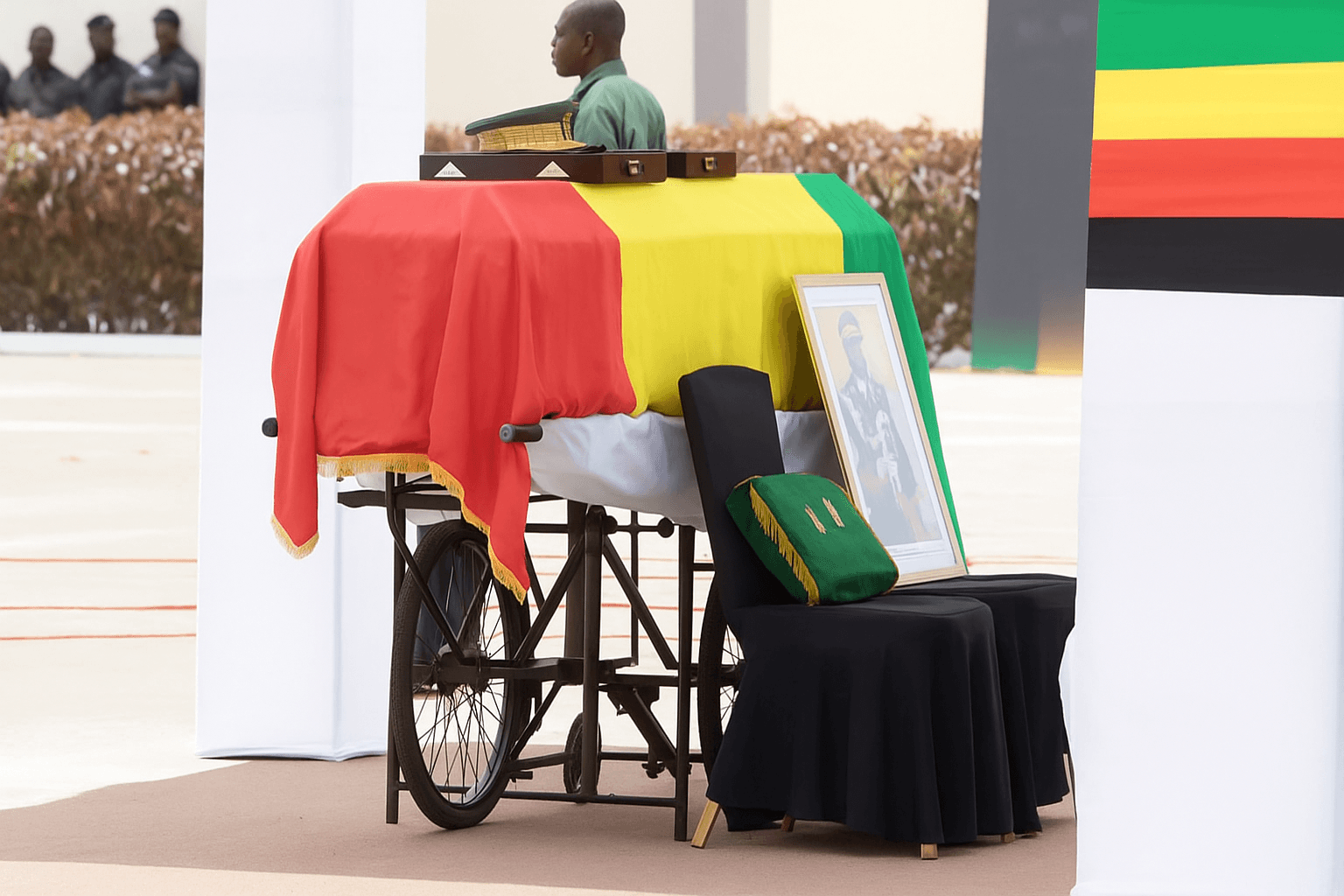
Mali recently held a state funeral for former Defence Minister Sadio Camara, a pivotal figure in the country’s military leadership. The ceremony, attended by junta leader Assimi Goïta and senior military officials, marked a somber moment in Mali’s history while highlighting the broader security challenges facing the Sahel region.
The funeral took place following two days of national mourning after Camara was killed in a coordinated attack by jihadist militants and Tuareg allies. The assault, described as the most severe in over a decade, underscored the persistent security threats Mali continues to face.
Political and security repercussions of Camara’s death
The passing of Sadio Camara represents more than a personal loss for Mali; it is a pivotal moment that could reshape the country’s internal political balance and its strategic alliances.
Camara, a key architect of Mali’s pivot toward Russia as its primary security partner, held significant influence within the junta. His death, coupled with recent battlefield setbacks, may trigger several critical shifts:
- Internal divisions within the ruling junta
- Reevaluation of Mali’s partnership with Moscow
- Potential reassessment of ties with the Russian Armed Forces
- Impact on Mali’s participation in the Alliance of Sahel States
These developments extend beyond Bamako, influencing security strategies across the Sahel. Mali’s realignment from France to Russia has already reshaped regional security dynamics, prompting discussions in key areas such as:
- Gao
- Mopti
- Sévaré
- Kidal
- Other critical zones in the Sahel
The recent violence also highlights the ongoing threat posed by groups like Jama’at Nasr al-Islam wal-Muslimin and separatist factions in northern Mali. The resurgence of the Azawad Liberation Front has reignited concerns about separatism, particularly in regions like Kidal and the broader Azawad territory.
Camara’s military career and rise to prominence
Born in Kati in 1979, Camara was a central figure in Mali’s military power structure. Kati, a strategically important garrison town near Bamako, has long been a hub for military influence, with several key coups originating from this area.
Camara’s early career included service in northern Mali during the late 2000s, a period marked by intensifying insurgencies linked to Al-Qaeda-inspired groups. His training in Russia further solidified his strategic alignment with Moscow, which later became a cornerstone of his leadership.
He first gained national attention in August 2020 when, as a colonel, he appeared on television as part of a group of officers who overthrew President Ibrahim Boubacar Keita. The officers cited failures in security and governance as justification for their intervention.
The strategic shift toward Russia
Under Camara’s leadership, Mali’s military junta pivoted away from traditional partners like France and the United Nations, instead forging closer ties with Russia. This shift was part of a broader strategy to enhance domestic legitimacy and address security challenges.
Camara served as Defence Minister under both the 2020 and 2021 juntas, playing a crucial role in redefining Mali’s security doctrine. His death occurs at a time of mounting pressure on the junta, including deteriorating security conditions, internal cohesion challenges, and contested territories in the north.
While state ceremonies like the funeral project a sense of continuity, the underlying reality is far more complex. In national security terms, symbolism often falls short of tangible results. The loss of Camara may therefore become a defining moment for Mali, reshaping its security doctrine and the balance of power among regional actors, from France and Russia to armed groups operating across the Sahel.


 Boureima Amadou