Mariama Hamani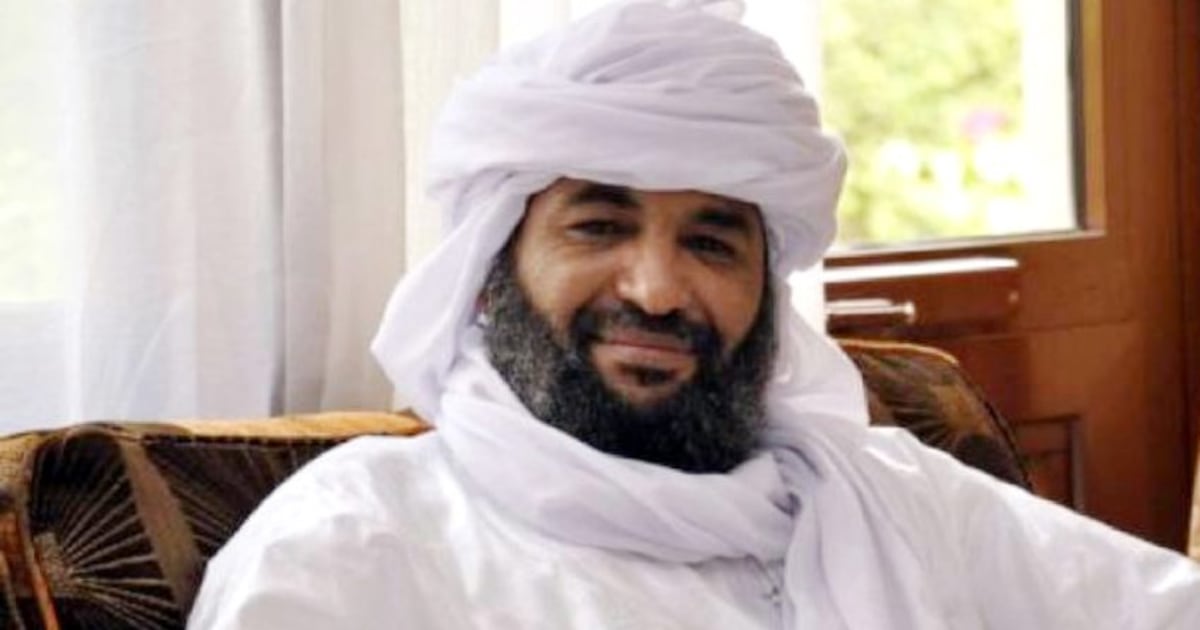
The Malian junta has escalated its fight against terrorism by announcing substantial bounties for the capture of key jihadist and rebel figures following coordinated attacks that claimed high-level lives in late April.
Iyad Ag Ghaly, a former Tuareg rebel and diplomat, now leads the Group for the Support of Islam and Muslims (JNIM), established in 2017. His name tops the list of most-wanted individuals across the Sahel, burdened by United Nations sanctions, a U.S. terrorist designation, and an International Criminal Court arrest warrant for alleged war crimes and crimes against humanity.
Recent clashes on April 25 and 26 saw JNIM fighters, allied with the predominantly Tuareg Azauad Liberation Front (FLA), launch unprecedented assaults on strategic positions held by the Bamako-based junta. Among the casualties was Defense Minister Sadio Camara, a 47-year-old central figure in the military-led government, killed in a suicide bombing during the offensive.
government ramps up rewards for terror suspects
In a televised statement, officials revealed bounties totaling millions of euros for the capture or elimination of seven high-profile targets, including JNIM’s Amadou Kouffa—valued at €2.2 million—and two FLA leaders, Alghabass Ag Intalla and Bilal Ag Cherif. The announcement underscored the government’s commitment to combating terrorism and safeguarding national security.
The statement read: «The Ministry of Security and Civil Protection is offering financial rewards to anyone providing reliable, actionable intelligence that leads to the arrest or neutralization of these individuals.»
It added: «These individuals are actively sought for their alleged roles in planning, organizing, and executing terrorist acts that have endangered lives and property nationwide.»
decade-long crisis fuels instability
Mali has grappled with a severe security crisis since 2012, driven by escalating violence from JNIM, the Islamic State, and communal armed groups. The latest attacks highlight the persistent threat posed by these factions, which continue to challenge the government’s authority and destabilize the country.


 Boureima Amadou