Mariama Hamani
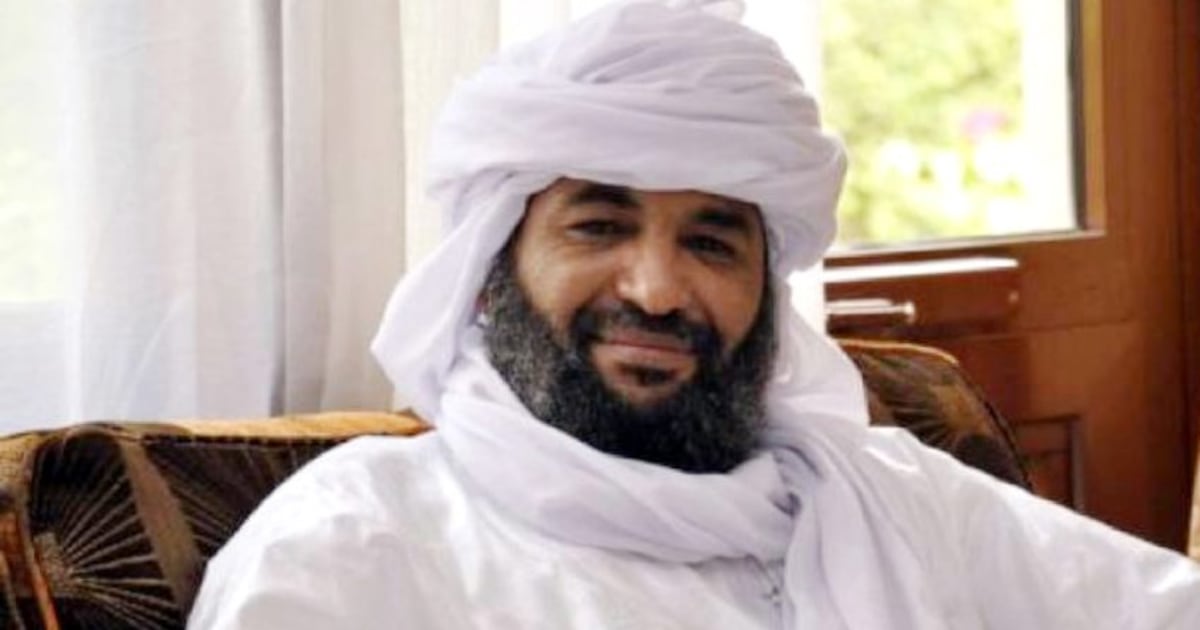
The Malian government has escalated its efforts to combat terrorism by announcing substantial bounties for the capture or elimination of key figures linked to the Jama’at Nusrat al-Islam wal Muslimin (JNIM) and the Front de Libération de l’Azawad (FLA).
Who are the wanted leaders?
Among those targeted is Iyad Ag Ghaly, a former Tuareg rebel and diplomat who now leads JNIM—a coalition of Islamist factions established in 2017. Ag Ghaly is one of the most wanted individuals in the Sahel, facing sanctions from the United Nations, a U.S. terrorist designation, and an International Criminal Court (ICC) arrest warrant for alleged war crimes and crimes against humanity.
Also on the list is Amadou Kouffa, another high-ranking JNIM commander, alongside Alghabass Ag Intalla and Bilal Ag Cherif, prominent figures within the FLA, which maintains a predominantly Tuareg base.
Why the urgency?
The announcement follows coordinated jihadist attacks on April 25 and 26, executed in tandem with the FLA. These assaults, unprecedented in scale, struck critical positions across multiple regions, targeting the military junta’s strongholds, including a deadly suicide bombing that claimed the life of Defense Minister Sadio Camara, a central figure in Bamako’s leadership.
The government’s statement highlighted that these individuals are suspected of orchestrating attacks that have destabilized national security, endangering civilians and infrastructure. The rewards—ranging up to 2.2 million euros for Kouffa—reflect the severity of the threat and the state’s determination to dismantle militant networks.
Ongoing crisis fuels extremism
Since 2012, Mali has grappled with a persistent security crisis, exacerbated by the rise of JNIM, the Islamic State affiliate, and localized criminal factions. The escalation of violence underscores the challenges faced by authorities in restoring stability across the country.

 Boureima Amadou