Boureima Amadou
Alger and Niamey forge new security path amid Sahel turmoil
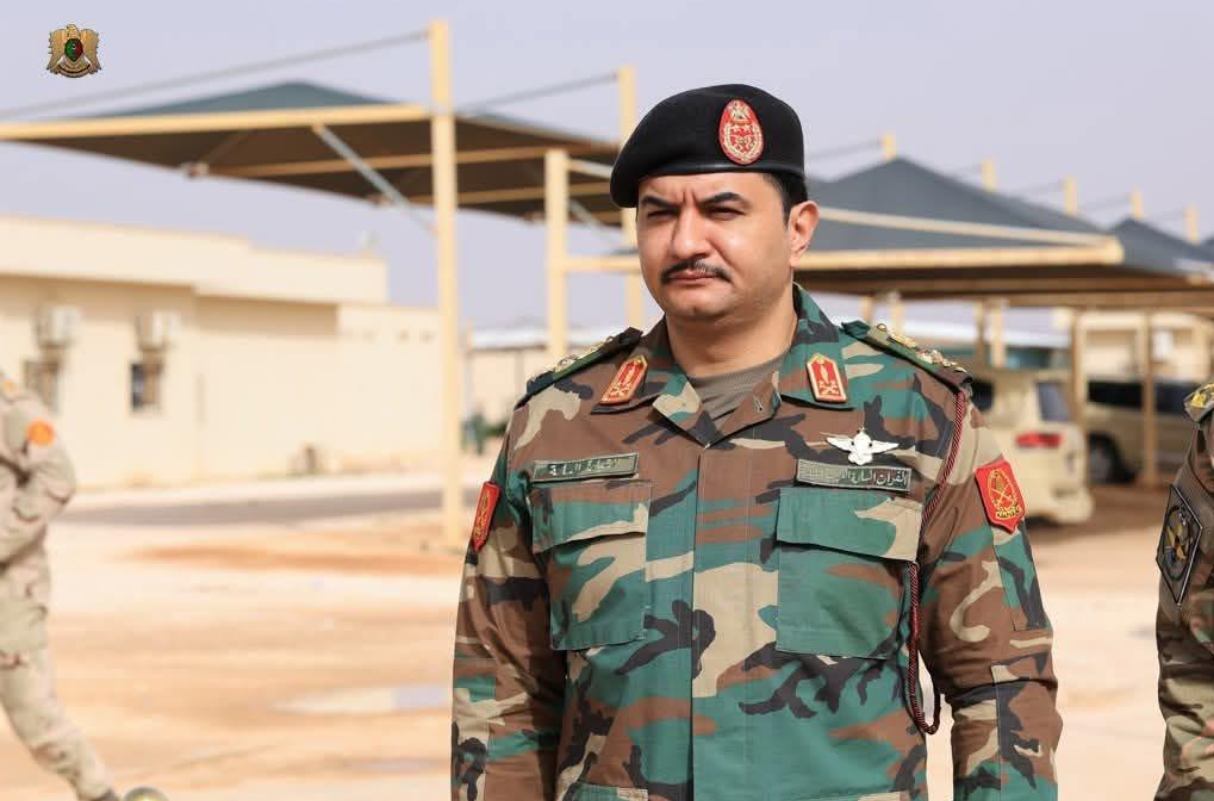
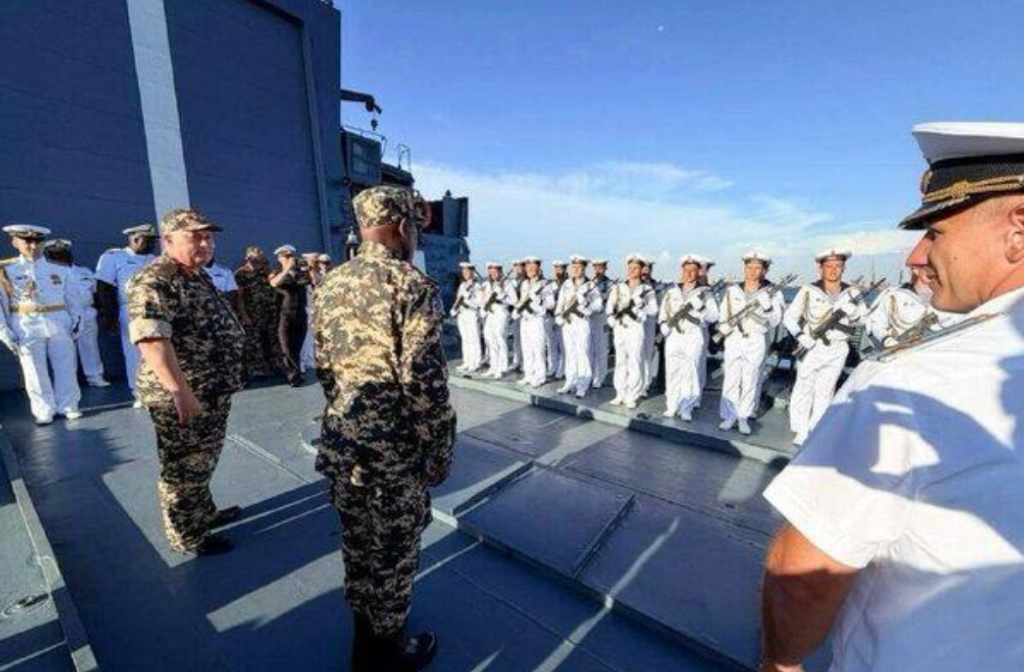
In a decisive turning point for regional security dynamics, Algeria and Niger signed a military cooperation protocol on October 21, 2026, in Algiers. The landmark agreement, sealed during high-level talks between Algerian Chief of Staff General Saïd Chanegriha and Nigerien Defense Minister Salifou Modi, signals a major shift in bilateral security relations. But with critical details still shrouded in secrecy, experts question whether this pact marks a substantive breakthrough or remains largely symbolic.
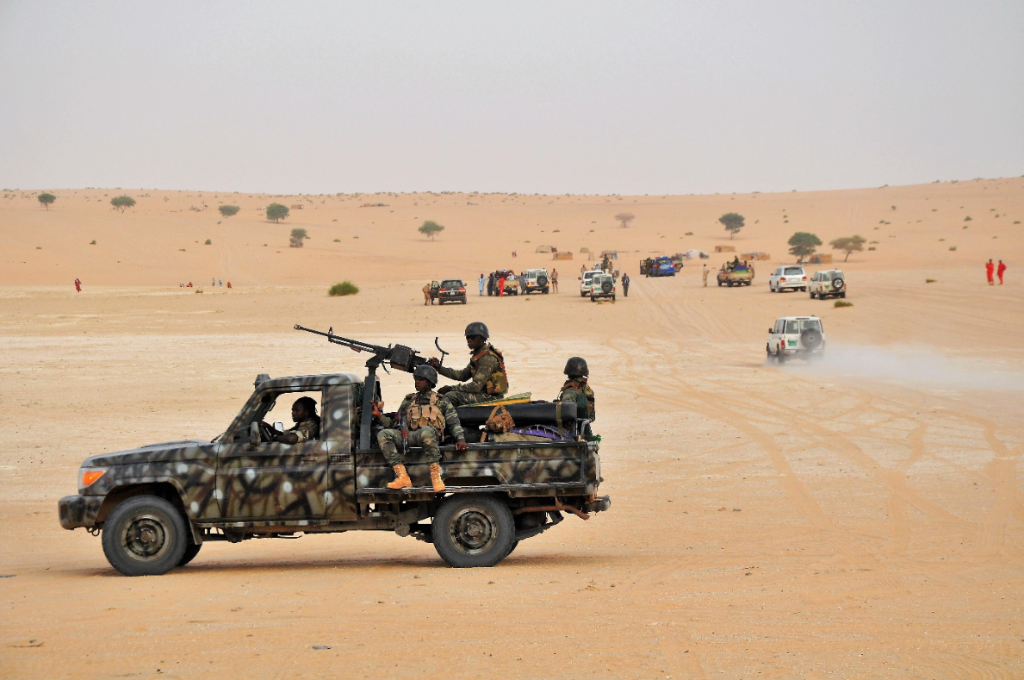
The protocol arrives amid escalating violence across the Sahel, where Niger faces armed threats along its borders with Mali, Burkina Faso, and the Lake Chad basin. Algeria, meanwhile, prioritizes securing its southern frontiers. While both nations emphasize converging security interests, the true scope of their commitments remains elusive—raising urgent questions about transparency and operational substance.
What’s confirmed—and what’s missing from the agreement
Official statements highlight “enhanced military and security cooperation,” but provide little clarity on the structural mechanisms underpinning this pledge. Key operational questions remain unanswered:
- Training programs: Will Algerian forces provide specialized training for Nigerien troops?
- Intelligence sharing: Are there provisions for coordinated border surveillance or real-time threat monitoring?
- Joint exercises: Does the protocol include provisions for bi-annual military drills or logistical support?
- Technical assistance: Will Algeria deploy advisors or equipment to Niger’s high-risk zones?
Without published annexes or implementation roadmaps, analysts struggle to differentiate symbolic gestures from tangible commitments. While military agreements often include classified components, the lack of public disclosure limits independent verification of their impact.
Sahel security: a backdrop of shifting alliances
The protocol’s timing coincides with a rapidly evolving security landscape in the Sahel. Niger, part of the Alliance of Sahel States (AES), is navigating a delicate balance between regional blocs. Algeria, though not an AES member, maintains distinct bilateral ties and regional security objectives.
Critically, there’s no evidence the agreement establishes:
- A mutual defense clause
- Permanent troop deployments
- Coordinated military operations
This distinction is vital: cooperation frameworks often serve as confidence-building measures rather than binding alliances. Still, the symbolic weight of Algeria and Niger’s rapprochement could influence broader Sahel dynamics, particularly if other regional actors perceive it as a counterbalance to existing blocs.
Funding, oversight, and the road to implementation
A military accord’s real-world impact hinges on logistical and financial commitments. Key unanswered questions include:
- Budget allocation: How much funding will each country contribute, and where will resources be allocated?
- Timeline: Is there a phased implementation plan, or does the agreement lack urgency?
- Monitoring bodies: Will joint commissions track progress, or is oversight left to ad-hoc meetings?
- Measurable outcomes: Are there defined benchmarks (e.g., reduced cross-border attacks) to assess success?
Without these details, the protocol risks remaining a paper partnership—a framework devoid of concrete action. Transparency in these areas would help stakeholders gauge whether the deal is a long-term security investment or a short-term diplomatic gesture.
Diplomatic signals and regional implications
The high-profile meeting, which included an audience with Algerian President Abdelmadjid Tebboune, underscores the political significance of the accord. Such symbolic gestures often precede deeper cooperation, but they also risk overselling an agreement’s actual capabilities.
Two critical questions emerge:
- Alignment with AES: Does this accord complement or compete with the Alliance of Sahel States’ initiatives?
- Balancing act: Could Algeria’s involvement create friction with other regional powers (e.g., Chad, Nigeria) or non-state actors?
For now, the answers lie in the shadows. Until Algeria and Niger release more granular details—while safeguarding legitimate security secrets—evaluating the pact’s true impact will remain speculative.
Transparency as the litmus test for credibility
The core challenge isn’t the accord itself, but the lack of clarity surrounding its provisions. For the agreement to transition from a symbolic gesture to a meaningful security partnership, both nations must:
- Publish a summary of objectives (e.g., counterterrorism, border security)
- Outline implementation timelines and responsible agencies
- Define accountability mechanisms to measure progress
Such steps would enable policymakers, analysts, and affected communities to assess whether this is a breakthrough collaboration or another unfulfilled promise in the Sahel’s turbulent security narrative. One thing is certain: in a region where trust is as scarce as stability, the devil—and the solution—lies in the details.