
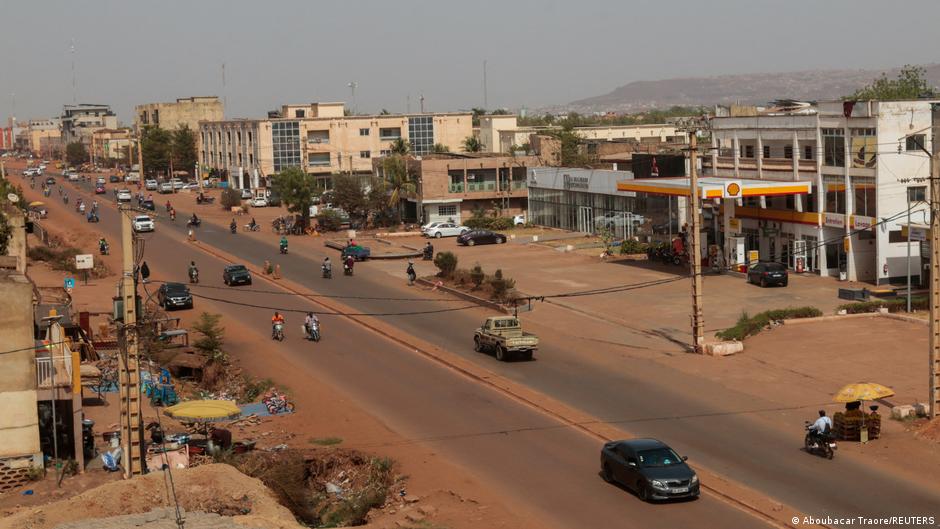
As extremist factions tighten their grip on critical routes in Mali, civilians face mounting hardships. The Jama’at Nusrat al-Islam wal Muslimin (JNIM) has enforced a two-week blockade on major roads leading to Bamako, exacerbating an already precarious humanitarian situation across central and northern regions. The capital, heavily reliant on imported goods transported by road, now confronts severe shortages of essential supplies.
JNIM’s blockade triggers food and health crises
“The current siege of Bamako is inflicting unacceptable harm on civilian lives,” stated a spokesperson for Amnesty International. The NGO emphasized that the restrictions violate fundamental rights, including access to food, healthcare, and safety. On May 6, militants targeted a civilian convoy transporting fruits between Bamako and Bougouni. Authorities confirmed the vehicles—unaccompanied by military escorts—carried no weapons or personnel linked to state forces.
The blockade’s ripple effects extend beyond Bamako. In northern towns like Gao and Kidal, residents report erratic electricity and disrupted communications. Méfiance prevails as conflicting narratives from authorities and armed groups blur the truth. “We’re told to trust government statements,” shared a Gao resident, “but prices for staples like onions have doubled overnight.”
Military escalation in Kidal and beyond
The Malian Armed Forces have retaliated by intensifying airstrikes on Kidal, a stronghold of the Tuareg separatist Front for the Liberation of Azawad (FLA) and its JNIM allies. Since late April, the city has been under rebel control, with the FLA claiming to hold over 200 Malian soldiers captive. Local witnesses describe plummeting living conditions, compounded by intermittent power cuts and severed telecommunications.
Meanwhile, the central regions of Ségou and Koulikoro remain under de facto jihadist control. Militants enforce zakat (religious taxation) in hundreds of villages and shutter schools, contributing to Mali’s staggering tally of 2,300 shuttered educational facilities—primarily in the north and center.
Experts urge inclusive dialogue to break deadlock
Analysts warn that both the Malian government and armed factions are preparing for renewed conflict. “The regime appears determined to retaliate, while JNIM and FLA regroup for potential offensives,” noted Abdoulaye Sounaye, a Sahel-based researcher. “Civilians will bear the brunt of renewed hostilities.”
Calls for negotiation grow louder. Ahmed Ould Abdallah, of the Sahara-Sahel Studies Center (4S), stressed, “The crisis is systemic. The government must open channels with all stakeholders—political, social, and armed—to avert perpetual instability.” Echoing this sentiment, Sounaye predicted, “A negotiated settlement remains the only viable path forward.”
Yet Bamako’s official stance rejects talks with FLA or JNIM, labeling them “terrorist entities.” Paradoxically, clandestine dialogues with JNIM have occurred to secure fuel supplies, underscoring the pragmatic contradictions in Mali’s approach.

More Stories
Human rights groups urge jihadists to lift blockade on Bamako
French national detained in Senegal over homosexuality amid legal crackdown
Mali blocus: Amnesty International warns of severe impact on civilians in Bamako