Mariama Hamani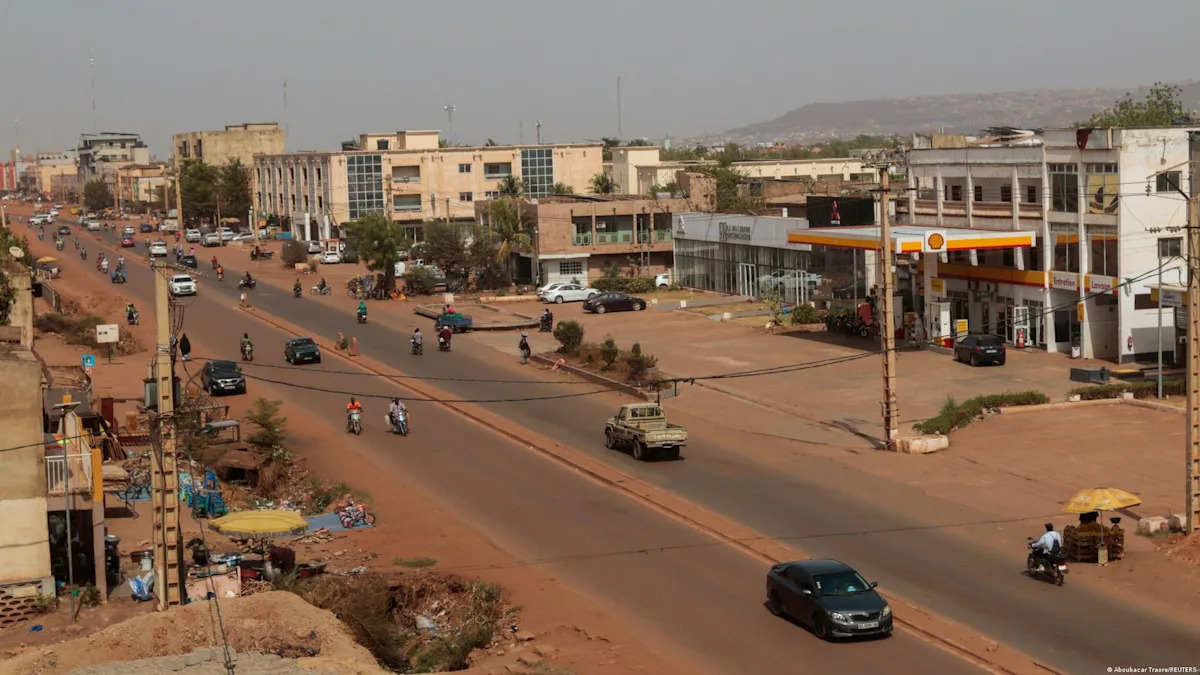
International rights group urges Mali jihadists to restore free movement
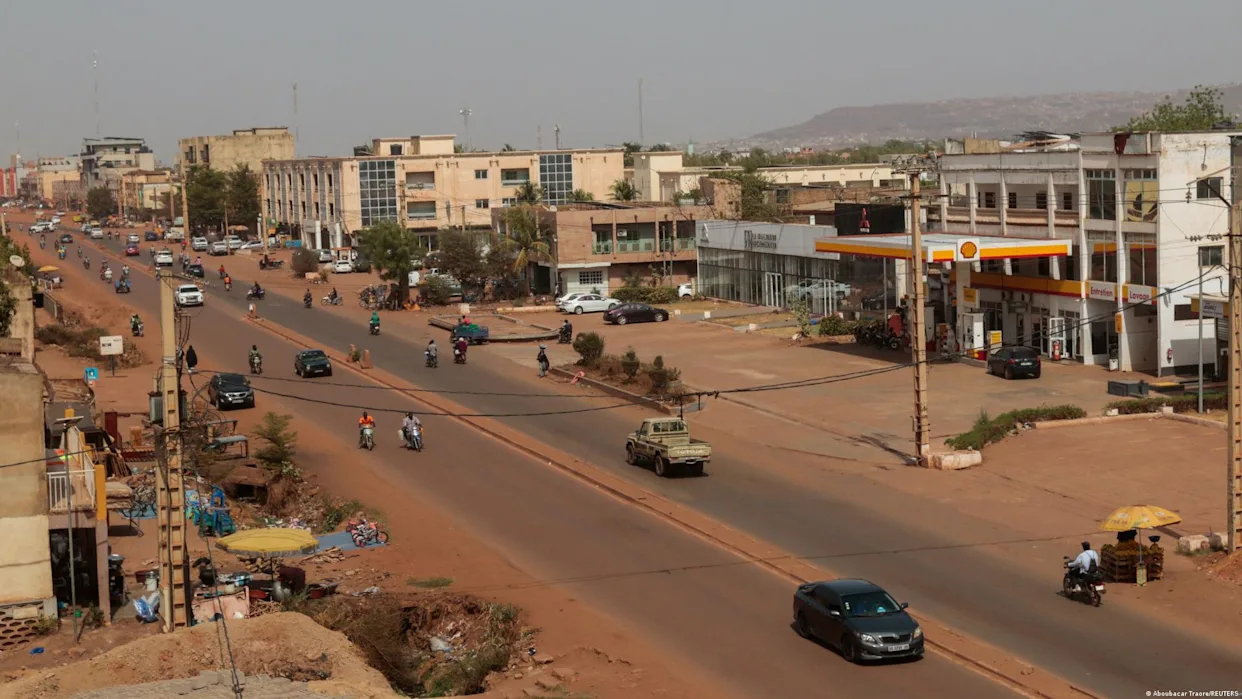
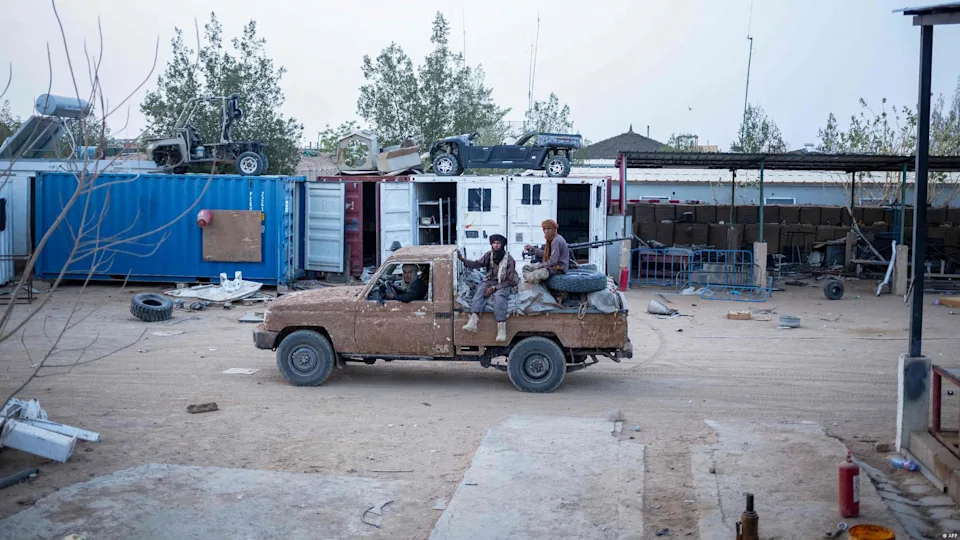
An international human rights organization has issued an urgent appeal to jihadist factions operating in Mali, demanding they immediately cease their blockade of Bamako and guarantee safe passage for civilians. The militant groups, led by the Group for the Support of Islam and Muslims (JNIM), have enforced the road restrictions for over two weeks, cutting off critical supply routes to the landlocked nation’s capital.
“The ongoing blockade has inflicted unacceptable hardships on ordinary citizens, severely compromising their access to food, medical care, and basic safety,” the rights group stated in a formal statement. It emphasized that the siege violates international humanitarian law and called for its immediate termination.
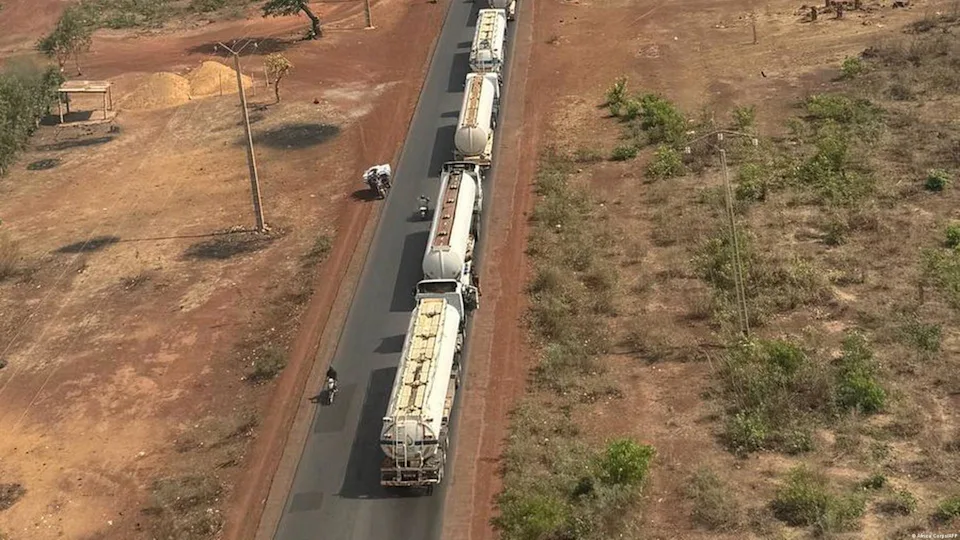
The organization also highlighted a recent attack on a civilian truck convoy traveling between Bamako and Bougouni in southern Mali. According to reports, the trucks were transporting goods such as fruit and were not accompanied by military personnel or carrying any equipment that could be considered a security threat.
Military escalation expected in northern Mali
Meanwhile, Malian armed forces have announced plans to intensify airstrikes on the northern city of Kidal, currently under the control of Tuareg separatists and their jihadist allies. Military sources confirmed multiple strikes had already been conducted, while separatist leaders claim to be holding 200 Malian soldiers captured during clashes on April 25.
Residents in Kidal report persistent power outages and severely disrupted telecommunications, isolating the city from much of the country. In Gao, another northern city under government control, residents describe a climate of deep mistrust, with food prices doubling in recent weeks. “Authorities urge us to rely solely on official statements,” one resident noted.
Political and security analyst Hervé Lankoandé Wendyam warns that these developments signal a dangerous escalation. “The situation in central Mali reflects a deliberate strategy by JNIM to escalate violence by seizing urban centers,” he explained. “The unrest in the north appears designed to sever the region’s ties to the rest of the country.”
Jihadist control expands in central regions
Sources with deep knowledge of central Mali report that jihadist factions now control vast areas along the left bank of the Niger River in the Ségou region, as well as parts of the Koulikoro region. Local administrations in these zones have reportedly collapsed, with no government presence remaining.
The militants are reportedly imposing a zakat tax on hundreds of villages, while dozens of schools remain closed. Official figures indicate more than 2,300 schools across Mali are currently shut down, with the north and central regions bearing the brunt of the closures.
Researcher Abdoulaye Sounaye points to signs that both government forces and jihadist groups are regrouping and rearming. “The Malian government appears determined to respond decisively to recent setbacks, while jihadist factions are preparing for potential counterattacks. Civilians, caught in the middle, continue to suffer the consequences of this violence.”
Regional experts increasingly argue that a lasting solution requires inclusive dialogue involving all stakeholders. Ahmed Ould Abdallah of the 4S Center stresses that “the government must take bold steps toward reconciliation by engaging in meaningful negotiations with all political and social groups. A purely military approach will not resolve Mali’s deepening crisis.”
Sounaye predicts that “sooner or later, all parties will be compelled to sit at the negotiating table and reach a compromise.” However, the Malian government has publicly ruled out talks with groups it labels as terrorists, including both JNIM and the Tuareg-led Azawad Liberation Front (FLA). Notably, despite its official stance, confidential negotiations have reportedly taken place to ensure the delivery of essential fuel supplies to the country.

 Boureima Amadou