Mariama Hamani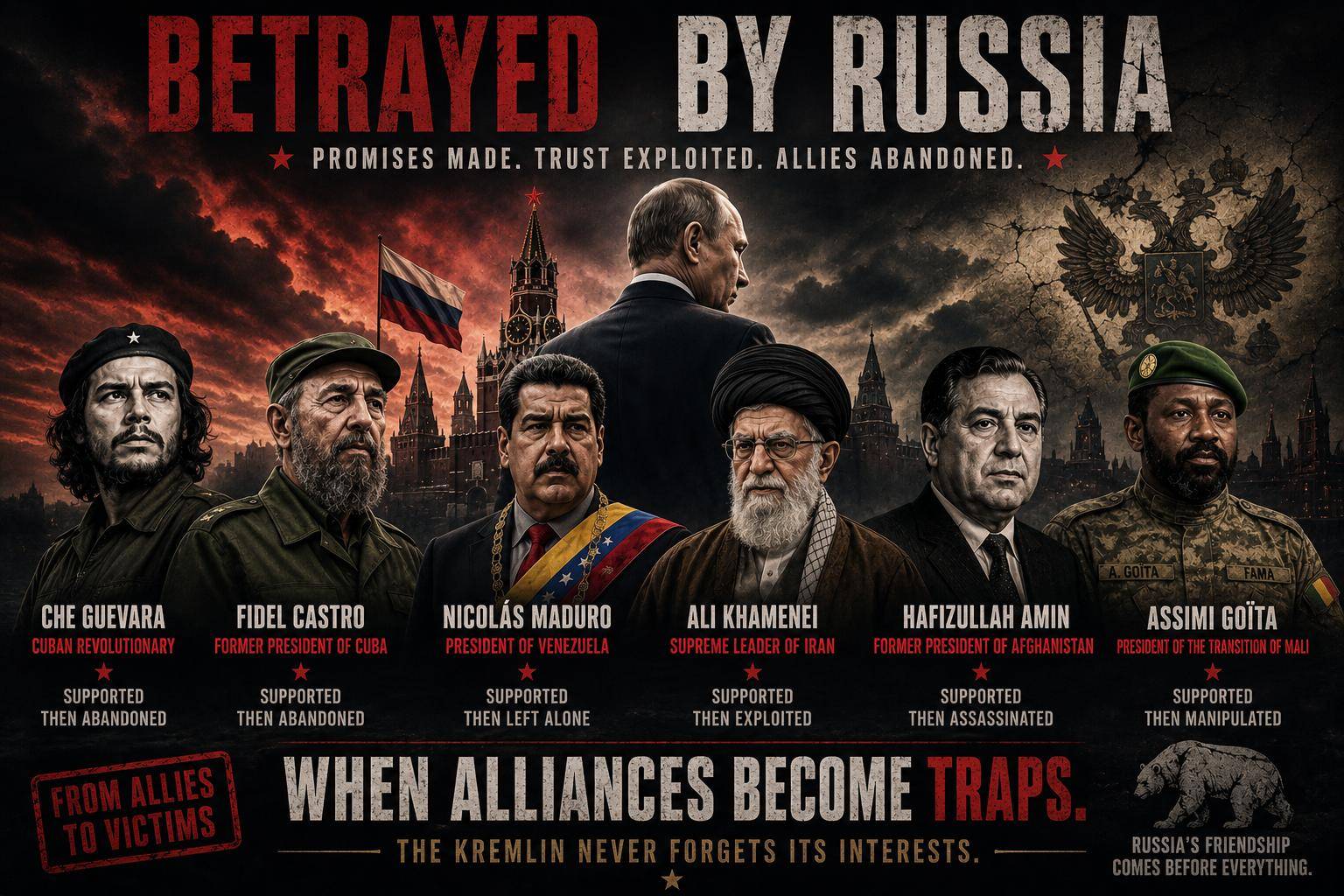
When Moscow’s Partners Struggle, the Kremlin’s Response is Silence
Across the globe, Russia’s strategic allies are facing mounting crises—military setbacks, internal political turmoil, and widespread public unrest. Yet, one pattern has caught the attention of observers: the unmistakable silence emanating from the Kremlin. Far from the image of an unyielding protector ready to intervene at a moment’s notice, Moscow appears to have adopted a policy of deliberate muteness whenever its allies encounter turbulent times. Here’s an inside look at this calculated strategy of strategic withdrawal.
The Kremlin’s Calculated Wait-and-See Approach
This isn’t a case of knee-jerk indecision. International relations analysts argue that Russia’s silence isn’t a sign of weakness—it’s a strategic maneuver rooted in cold pragmatism. When an ally falters, Moscow doesn’t rush to offer rhetorical or material support. Instead, it adopts a wait-and-see stance, carefully weighing the risks before committing to any course of action.
Why? Because the Kremlin’s top priority is to avoid being tarnished by association. If an ally manages to recover, Russia can resume its support without losing face. But if the ally collapses, the prior silence ensures Moscow isn’t dragged down with it—and may even position itself to negotiate with incoming leadership.
Silence as a Subtle Form of Dissent
This policy of deliberate non-response isn’t just about self-preservation—it’s a form of silent diplomacy. While Western capitals often issue public condemnations or appeals for restraint, Russia chooses a different path. A lack of comment from the Russian Foreign Ministry can signal deep disapproval, a quiet rebuke to an ally that’s crossed a red line, mismanaged a crisis, or pursued a reckless path without Moscow’s consent.
It’s a way of telling the distressed partner: You’re on your own. No grand statements, no public show of solidarity—just a calculated withdrawal that leaves the ally to bear the consequences of its own missteps.
A Relationship Built on Transaction, Not Loyalty
The silence reveals the true nature of Moscow’s alliances: purely transactional. Russia doesn’t offer unconditional support. It intervenes—verbally or otherwise—only when its own vital interests or strategic positions are at stake. If a crisis threatens only the local regime, the Kremlin prefers to conserve its political capital and let the ally face the consequences alone.
While official diplomacy remains silent, Russia’s communication strategy shifts to indirect channels. State-backed media and influence networks flood the information space, blaming “invisible Western hands” and creating a smokescreen that distracts from Moscow’s withdrawal. This allows the Kremlin to maintain plausible deniability while observing the political temperature from a safe distance.
The Hard Truth: Allies Learn the Cost of Reliance
Recent history suggests that Russia’s support is more like a fair-weather jacket than a lifeline. When skies are clear and victories are secured, Moscow is quick to offer praise and assistance. But when storms gather, the Kremlin retreats behind a wall of silence—a stark reminder to its allies: in times of real crisis, you are on your own.
For those who depend on Moscow’s backing, this strategy underscores a harsh geopolitical reality. The Kremlin’s loyalty has limits, and its silence speaks volumes.



 Boureima Amadou