Boureima Amadou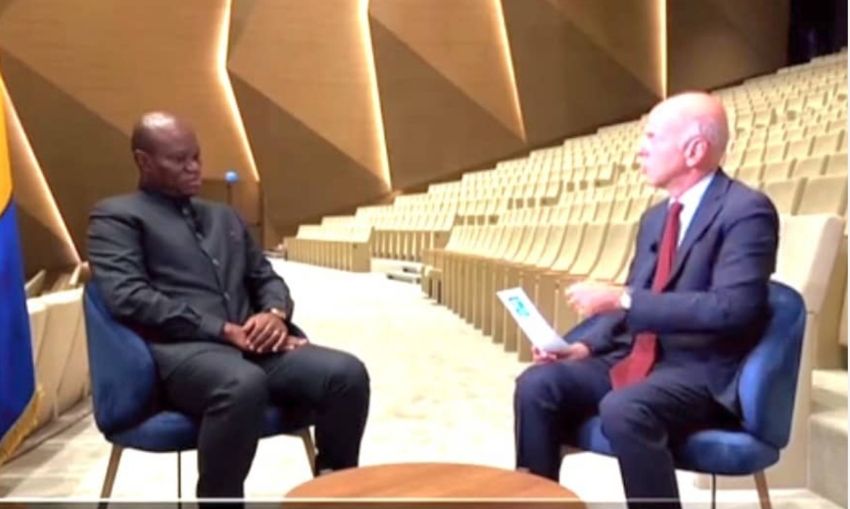
Gabon’s Oligui Nguema outlines bold economic and political vision
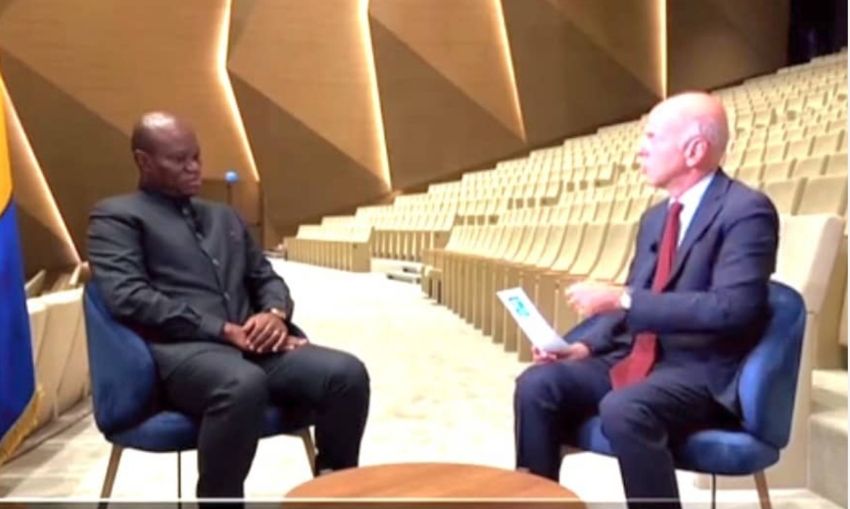
Libreville, June 3, 2026 – In a carefully staged media appearance at the Congress Hall of the Cité de la Démocratie in Libreville, President Brice Clotaire Oligui Nguema laid out his administration’s uncompromising vision for Gabon’s future. Addressing tough questions from international media, he defended his economic policies, outlined sovereign ambitions, and dismissed any notion of a political dynasty.
Three years into his presidency and one year after securing a historic 94% electoral mandate, President Oligui Nguema used this high-profile platform to present what many now see as Gabon’s definitive policy roadmap. Speaking before global observers, he articulated a clear strategy: long-term structural reforms, economic sovereignty, and balanced international partnerships—all without severing critical alliances.
Progress over urgency: the reform agenda
Critics have pointed to delays in public service delivery, particularly in water and electricity access, as signs of policy failure. The President pushed back, framing these challenges as inevitable growing pains in a seven-year transformation plan. He highlighted over 800 billion CFA francs invested in energy infrastructure, insisting that national development cannot be measured in annual increments.
This patient, phased approach has become a defining feature of his leadership narrative—a deliberate choice to prioritize sustainable change over immediate gratification.
Economic sovereignty as national doctrine
The most consequential statements came in the economic sphere. On the upcoming IMF negotiations, the President made it clear: Gabon will engage only after a full public finance audit. This insistence on transparency is part of a broader effort to reclaim control over the country’s financial commitments before entering new international agreements.
His announcement that Gabon will ban raw manganese exports by 2029 marks a historic shift. As a top global producer, Gabon is moving to process more of its mineral wealth locally. The message to foreign firms, particularly French multinational Eramet, is unambiguous: processing plants must be operational by the deadline or raw ore exports will halt. This marks a decisive break from a long-standing extractive model that funneled profits abroad without fostering local industry.
A diplomacy of balance and independence
Far from signaling isolation, the President emphasized that sovereignty does not mean estrangement. He confirmed a state visit to France in July and underscored the cooperative nature of Gabon-France relations, citing the recent handover of Camp de Gaulle as a gesture of mutual respect—not confrontation.
When pressed on a U.S. proposal to relocate deported migrants to Gabon, the President firmly declined, citing national interest. This refusal to accept external impositions further illustrates a foreign policy guided by self-determination rather than dependency.
Breaking the cycle: no political dynasty
With the shadow of the Bongo era still present, the President addressed the past with measured restraint. He acknowledged former President Ali Bongo Ondimba’s health status and redirected accountability for past governance failures to broader systemic issues.
But it was his unequivocal stance on political succession that resonated loudest: “No political dynasty bearing my name will ever take root in Gabon.” He reaffirmed the inviolability of a single seven-year term, renewable once—a cornerstone of the new institutional framework he aims to build around democratic alternation.
The test of implementation
While the President commands significant political capital, public expectations remain high. Gabonians are less interested in declarations than in tangible outcomes. A year into his mandate, Oligui Nguema has set forth a simple yet profound promise: a nation reclaiming control of its economic and political destiny.
Whether this vision translates into lasting progress will be decided not in speeches, but in the lived experience of citizens across the country.