Mariama Hamani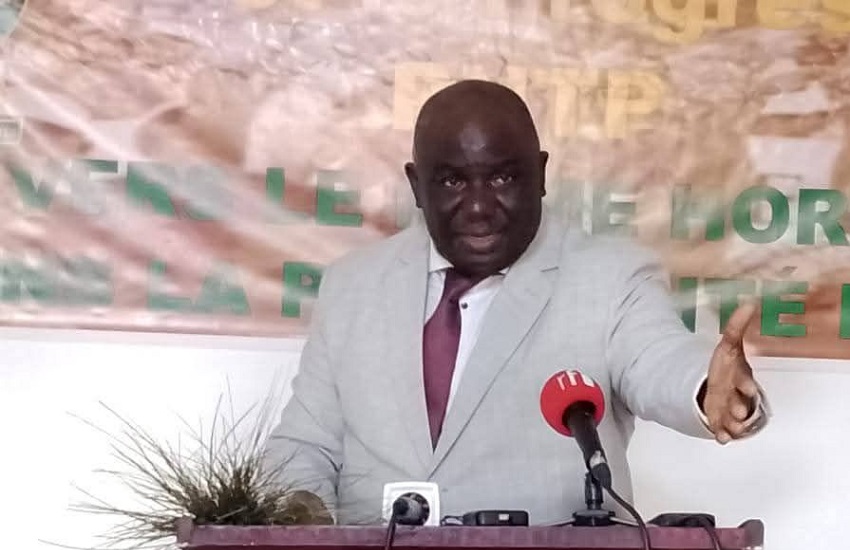
Gabon faces democratic credibility test as political reform delays mount
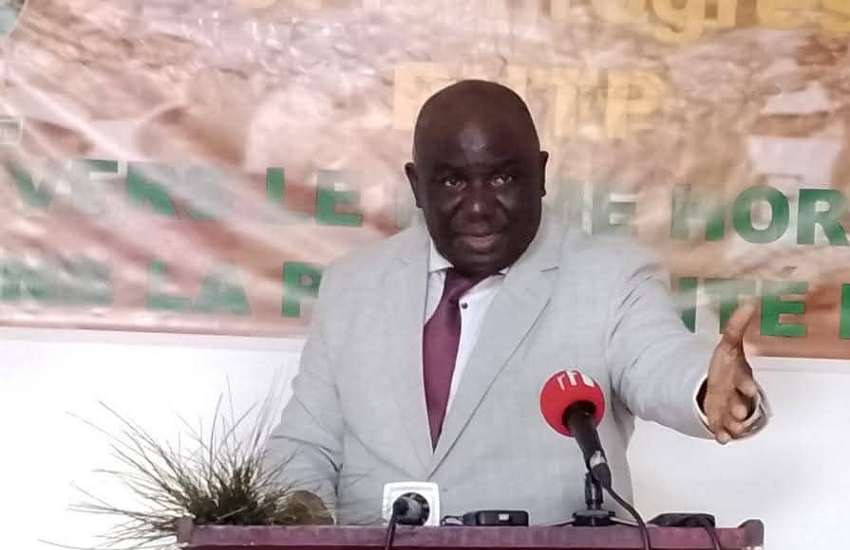
Libreville, June 14, 2026 – With less than two weeks remaining until the deadline for political parties to comply with new legislation, an administrative dispute has reignited debates about Gabon’s democratic credibility.
The controversy stems from Jean-Rémy Yama, leader of the National Party for Labor and Progress (PNTP), who claims his party’s application for registration updates has been stalled by officials at the Ministry of the Interior since December 18, 2025.
Yama, speaking at a press conference in Libreville, emphasized that despite repeated follow-ups—including formal letters, meetings with election officials, and requests for clarification—the ministry has failed to issue the required receipt confirming the party’s updated leadership structure.
This delay occurs against the backdrop of Law No. 016/2025, enacted June 27, 2025, which reshapes Gabon’s political landscape by imposing stricter organizational and legal standards on parties.
A reform under scrutiny: balancing ambition and implementation
Since late 2025, Gabonese authorities have pushed for sweeping reforms aimed at strengthening party credibility, eliminating inactive or poorly structured formations, and ensuring political organizations reflect genuine public representation.
The new law sets a June 27, 2026 deadline for all parties to meet updated criteria regarding governance, transparency, and legal compliance. While the government frames this as a modernization effort—aligning with global trends toward tighter regulation of political entities—the effectiveness of such reforms hinges on consistent, timely enforcement.
Yama’s case highlights a critical gap between legislative intent and administrative reality. The PNTP’s application, he asserts, should have been processed within 15 days under Article 41 of the law, yet no formal response has been issued despite the passage of six months.
The burden of bureaucracy: when good laws go unapplied
The PNTP’s ordeal underscores a recurring challenge in governance: the disconnect between policy and practice. The party reports submitting multiple requests, engaging with the Directorate-General for Elections and Public Liberties, and pursuing every available channel to resolve the impasse—only to face silence.
Yama has framed the delay as politically motivated, suggesting an attempt to exclude his party from the formal political process. While such accusations carry weight in Gabon’s charged political climate, they remain unconfirmed without official documentation from authorities.
Experts warn that such delays—whether due to bureaucratic bottlenecks, document backlogs, or procedural hurdles—risk eroding public trust in reform efforts. In a constitutional democracy, transparency isn’t optional; it is the foundation of legitimacy.
A test for Gabon’s democratic institutions
This case extends far beyond the PNTP. It challenges the capacity of Gabon’s institutions to support a fair, transparent transition toward a more structured political environment.
As the June 27 deadline looms, dozens of parties are racing to meet the new requirements. The smoothness of administrative processes will determine whether reforms are seen as credible or as another layer of bureaucratic obstruction.
Government officials insist the reforms are necessary to curb political fragmentation and strengthen democratic resilience. Yet, without visible, equitable enforcement, even well-intentioned policies risk being perceived as hollow gestures.
The Yama affair serves as a reminder: democratic progress in Gabon will not be measured by the elegance of its laws alone, but by the responsiveness and integrity of the institutions charged with carrying them out.

Mariama Hamani
Journalist
Boureima Amadou
- Politics
- October 15, 2026
- 8 views
Ivory Coast takes bold step with new electoral body proposal to restore faith in elections
In a decisive move to rebuild public trust and strengthen democratic processes, Ivory Coast’s ruling RHDP coalition has submitted groundbreaking proposals for a new electoral body to the Interior Minister.…

- Politics
- October 13, 2026
- 26 views
Senegal’s accountability push: Ousmane Sonko sets uncompromising standard for public officials
Assemblée nationale : Ousmane Sonko fait de la reddition des comptes une exigence envers le peuple « Et cette dette-là, aucun gouvernement ne peut la renégocier », a déclaré le…