Boureima Amadou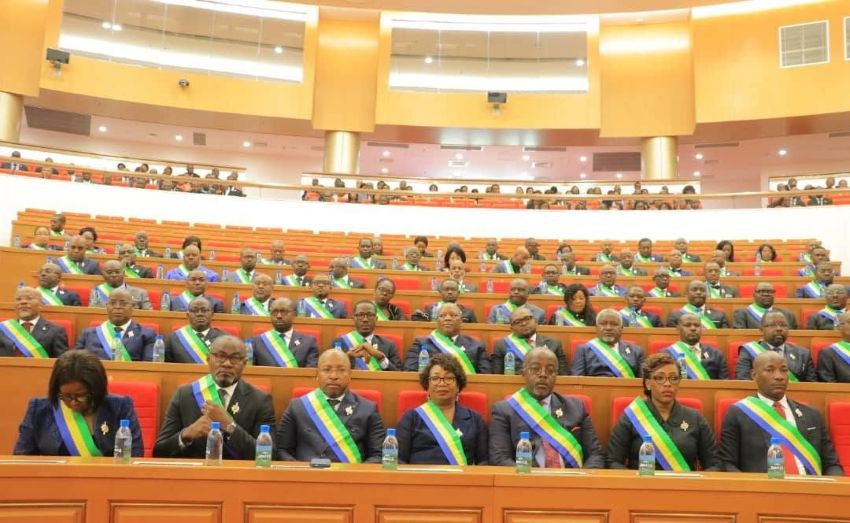
Gabon’s parliament takes center stage in new political era
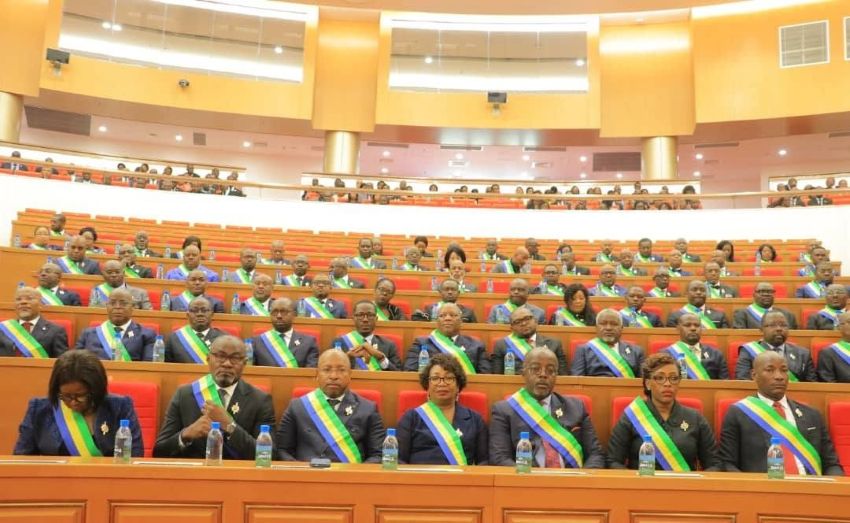
Libreville, June 15, 2026 — A historic moment unfolded today as Gabon witnessed its first post-transition constitutional address from President Brice Clotaire Oligui Nguema to the Parliament convened in Congress. This unprecedented gathering at the Palais Léon Mba marks the dawn of a new political chapter under the Fifth Republic.
More than a ceremonial event, this annual address represents a fundamental shift in Gabon’s governance model. The Parliament is no longer just a legislative body but the cornerstone of public accountability and national dialogue. For the first time, the executive branch meets the people’s representatives in a structured forum designed to strengthen democratic practices.
Under previous regimes, presidential appearances before Parliament were rare exceptions. The Fifth Republic transforms this practice into a constitutional obligation. Each year, the head of state must present achievements, challenges, and future plans directly to the nation’s lawmakers. This innovation breaks from traditional presidential systems by institutionalizing regular executive accountability to the legislative branch.
A paradigm shift in governance
The significance of this change cannot be overstated. While the president retains electoral legitimacy, the annual Congress transforms accountability into an institutionalized ritual. The Palais Léon Mba is no longer just the executive’s domain but the neutral ground where power meets representation. This symbolic shift underscores that democratic legitimacy stems not only from elections but from ongoing dialogue between leaders and citizens’ representatives.
The new Constitution, born from the 2023 National Inclusive Dialogue, elevates Parliament’s role to unprecedented heights. Far from being a secondary institution, the National Assembly now stands as a key pillar of the political balance, with enhanced oversight, transparency, and responsibility mechanisms.
A unifying republican tradition
The annual Congress creates a unique space where majority and opposition share a common institutional moment. In a political landscape often marked by division, this ceremony fosters republican unity. The 215 deputies and senators, embodying Gabon’s political, geographic, and social diversity, serve as mirrors of the nation. Their presence ensures the president’s address reaches all Gabonese citizens, not just the legislative body.
This innovation aligns with global democratic trends where institutions thrive on transparency and regular accountability. For a continent often scrutinized for institutional instability, Gabon’s new model sends a strong signal of predictability and governance maturity to investors and international partners alike.
Building a culture of responsibility
All enduring democracies rely on rituals that give meaning to political life. Gabon’s annual Congress could well become such a defining tradition. Beyond protocol, it embodies a governance philosophy where authority is exercised not only through decisions but through explanation and responsibility.
The June 15 gathering demonstrates that the true measure of state strength lies not in power concentration but in the capacity to account for actions. This transformation represents the most profound shift since the Fifth Republic’s establishment. By making Parliament the annual meeting place for executive and legislative branches, Gabon redefines its institutional identity — placing accountability at the heart of its democratic experiment.