Boureima Amadou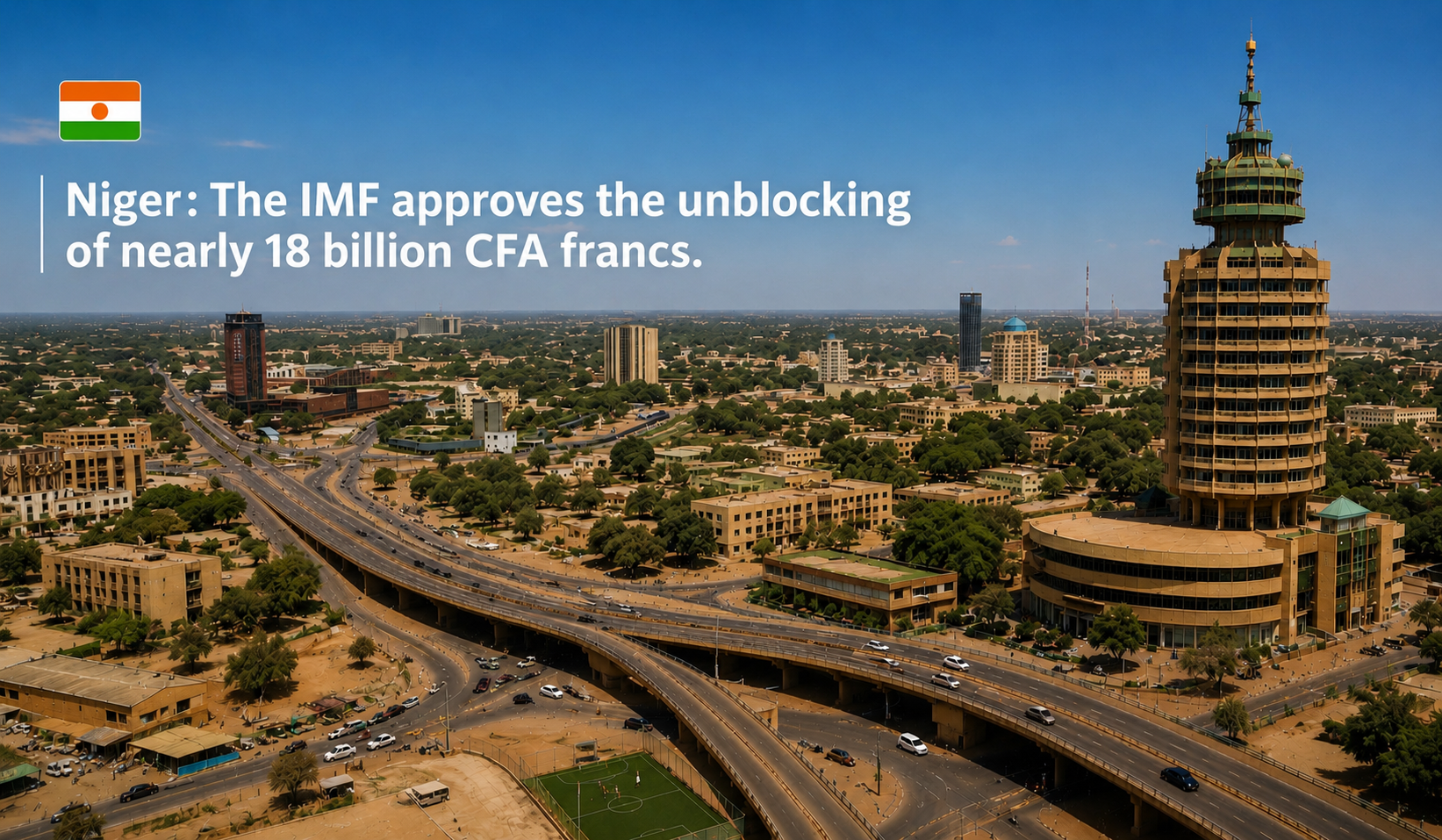
In a significant development for Niger’s economic landscape, the International Monetary Fund (IMF) has finalized a staff-level agreement with the transitional government. This accord paves the way for an immediate disbursement of $26.3 million (approximately 17.8 billion West African CFA francs) to bolster macroeconomic stability and advance structural reforms.
A strategic lifeline for public finances
The arrangement follows intensive negotiations in Niamey, culminating in a consensus under the Extended Credit Facility (ECF) and the Resilience and Sustainability Facility (RSF). While awaiting formal approval from the Washington-based institution’s Executive Board in the coming weeks, this technical green light signals a steady resumption of Niger’s engagement with international financial partners.
Allocating resources for resilience and sustainability
The allocated funds, totaling nearly 18 billion CFA francs, are structured around two critical pillars:
- Budgetary reinforcement: Strengthening state revenue mechanisms, optimizing public expenditure, and ensuring the sustainability of sovereign debt obligations.
- Climate resilience initiatives: A portion of the funds will support institutional reforms to mitigate the impact of environmental shocks, given Niger’s heightened vulnerability to climate change in the Sahel region.
« This agreement underscores the tangible progress achieved by Niger’s authorities in public financial management, despite enduring regional and security challenges, » remarked a financial analyst based in Dakar.
Economic momentum driven by oil sector expansion
The IMF’s support arrives at a pivotal juncture for Niger’s economy. Following the economic fallout from regional sanctions in 2023 and 2024, the country is poised to experience accelerated growth, largely propelled by rising crude oil exports via the Agadem field pipeline to the Sèmè-Kpodji port.
However, the Bretton Woods institution has emphasized the necessity of transparency in managing extractive resources and combating corruption. These measures are essential to ensure that oil revenues translate directly into human development and poverty reduction.
Addressing the road ahead for Niamey
To capitalize on this positive signal and attract further investment, the Nigerien government must prioritize several key initiatives:
- Widening the tax base: Reducing reliance on external aid and enhancing domestic tax collection efficiency.
- Safeguarding social expenditures: Preventing budgetary adjustments from compromising allocations for education and healthcare.
- Enhancing the business environment: Building confidence among national and international private stakeholders to diversify an economy still heavily reliant on subsistence agriculture and informal sectors.
This imminent disbursement of 18 billion CFA francs represents a milestone in Niger’s financial normalization, providing authorities with critical fiscal flexibility to conclude the current budget cycle.

 theafricantribune