Boureima Amadou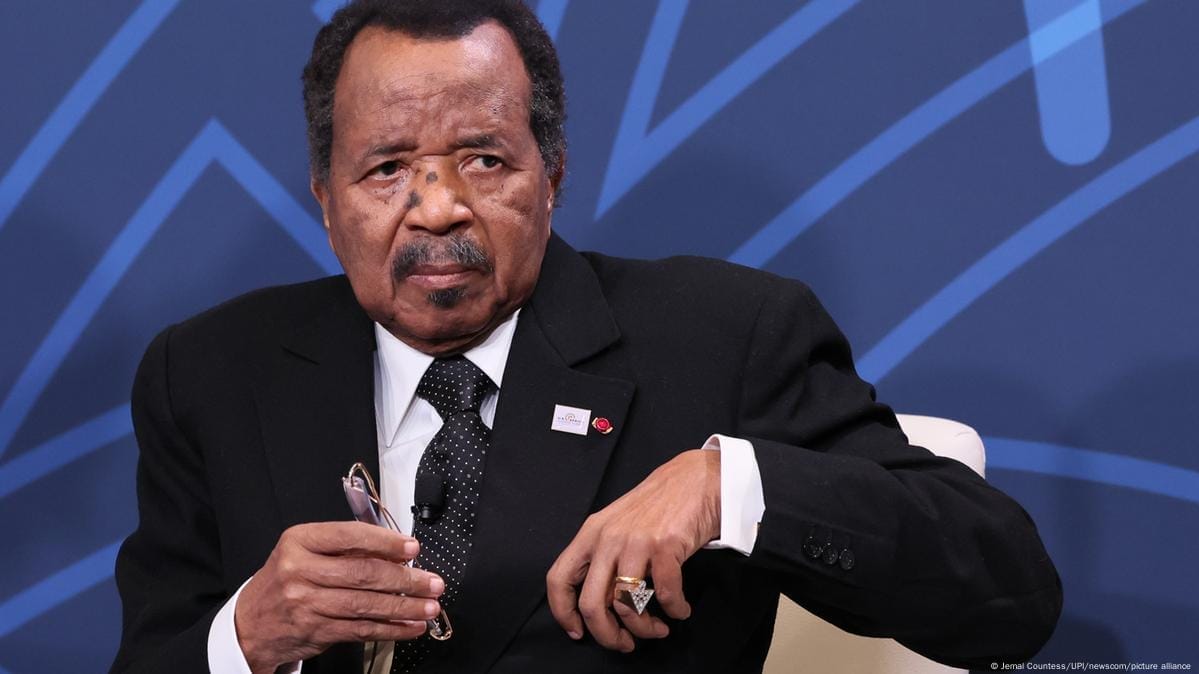
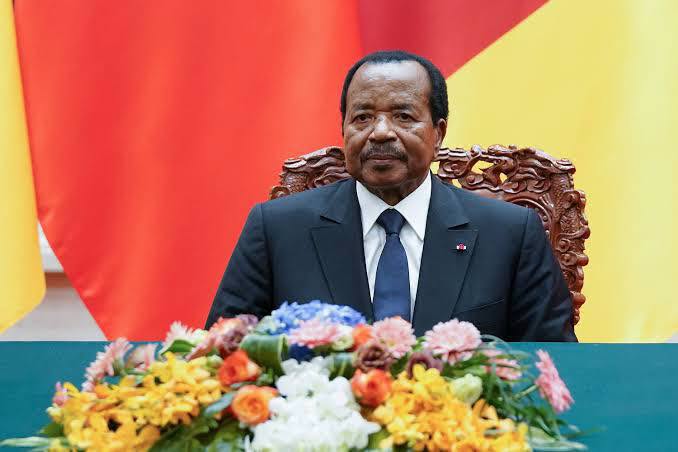
Cameroon’s political landscape remains tense as President Paul Biya, the world’s longest-serving leader at 93 years old, continues an extended stay abroad. Departing on June 7, 2026, for what authorities described as a brief private visit to Europe with his spouse, the Head of State has yet to return after 44 days—sparking intense public speculation.
Uncertainty over his whereabouts has fueled rampant rumors about his health, dominating conversations in both traditional media and online forums across the country. The prolonged absence has raised pressing questions about the continuity of governance and the transparency of Cameroon’s leadership.
Government pushes back against speculation
In response to mounting concerns, the ruling Rassemblement démocratique du peuple camerounais (RDPC) has launched a campaign to dismiss rumors about an institutional vacuum. In a July 15 editorial published in L’Action, Christophe Mien Zok, the party’s propaganda director, delivered a firm message: “The Lion is not absent. Power remains firmly in place.”
State communications have continued to circulate official greetings from President Biya to foreign leaders, including French President Emmanuel Macron on Bastille Day. Yet, no public appearances or detailed updates on his activities have been provided, leaving observers with more questions than answers.
Opposition demands clarity on presidential vacancy
The opposition has seized on the situation, with Deputy Jean-Michel Nintcheu submitting a formal request to the Constitutional Council to examine whether a power vacuum exists. Meanwhile, the Union démocratique du Cameroun (UDC) has urged caution against personal speculation about the President’s health but emphasized that prolonged absences without official communication undermine institutional stability.
The party highlighted the lack of a Vice-President since constitutional reforms in April 2025, warning that Cameroon’s governance framework remains dangerously exposed without clear protocols for handling extended presidential absences.
Constitutional gaps exposed
Legal experts point out that while no law sets a maximum duration for presidential travel abroad, a 45-day absence could trigger constitutional review. The UDC has called for urgent reforms to define precise rules for such scenarios, arguing that ambiguity risks destabilizing the state and eroding public trust in institutions.
As the days without official updates stretch into weeks, the divide between government assurances and opposition demands for transparency grows wider. Authorities insist all state functions operate normally, while critics insist on greater clarity—both about the President’s condition and the safeguards meant to protect Cameroon’s democratic processes.

 Mariama Hamani