Boureima Amadou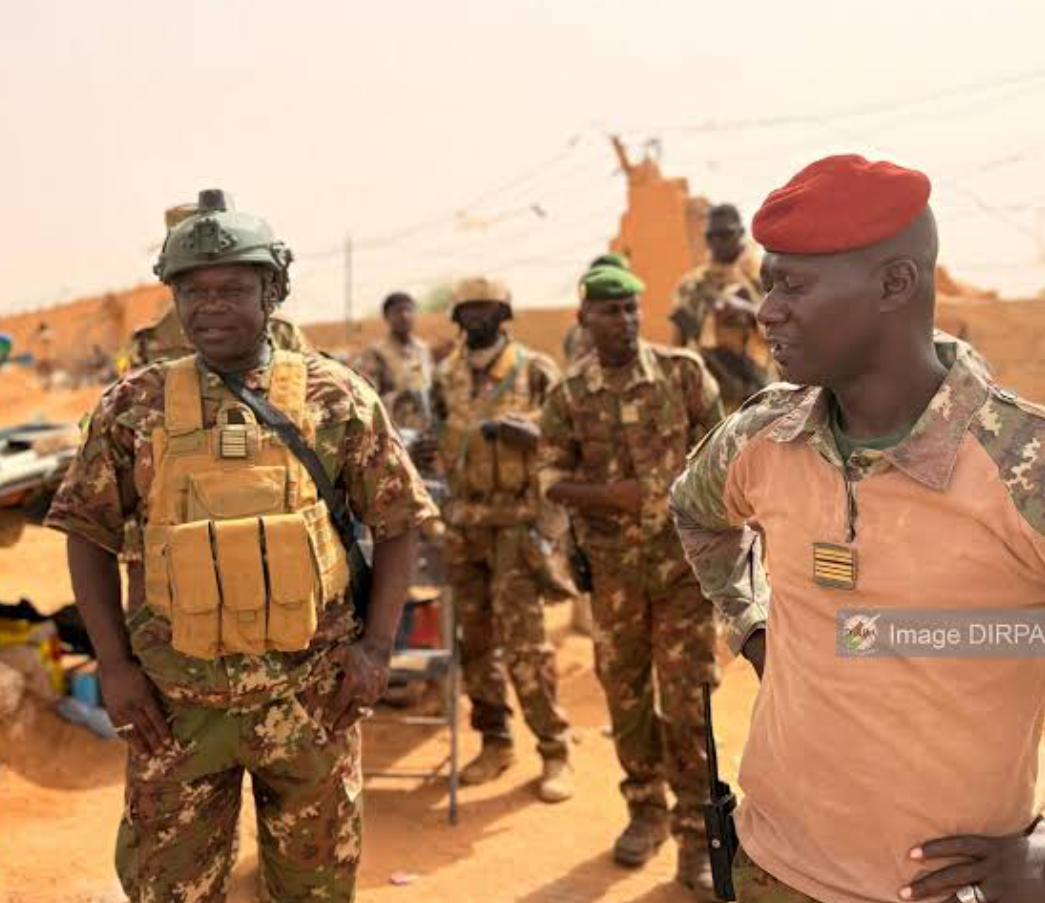
JNIM’s bold strikes underscore Mali’s deepening crisis
The Group for the Support of Islam and Muslims (JNIM) has once again demonstrated its operational capacity by launching a series of synchronized attacks across Mali’s Mopti region. In a statement released through its propaganda channels, the Al-Qaeda-affiliated faction claimed responsibility for four distinct assaults targeting Malian Armed Forces (FAMa), Russian mercenaries from Africa Corps, and local Dozo militia units on Sunday, July 19.
Targeted strikes paralyze central Mali
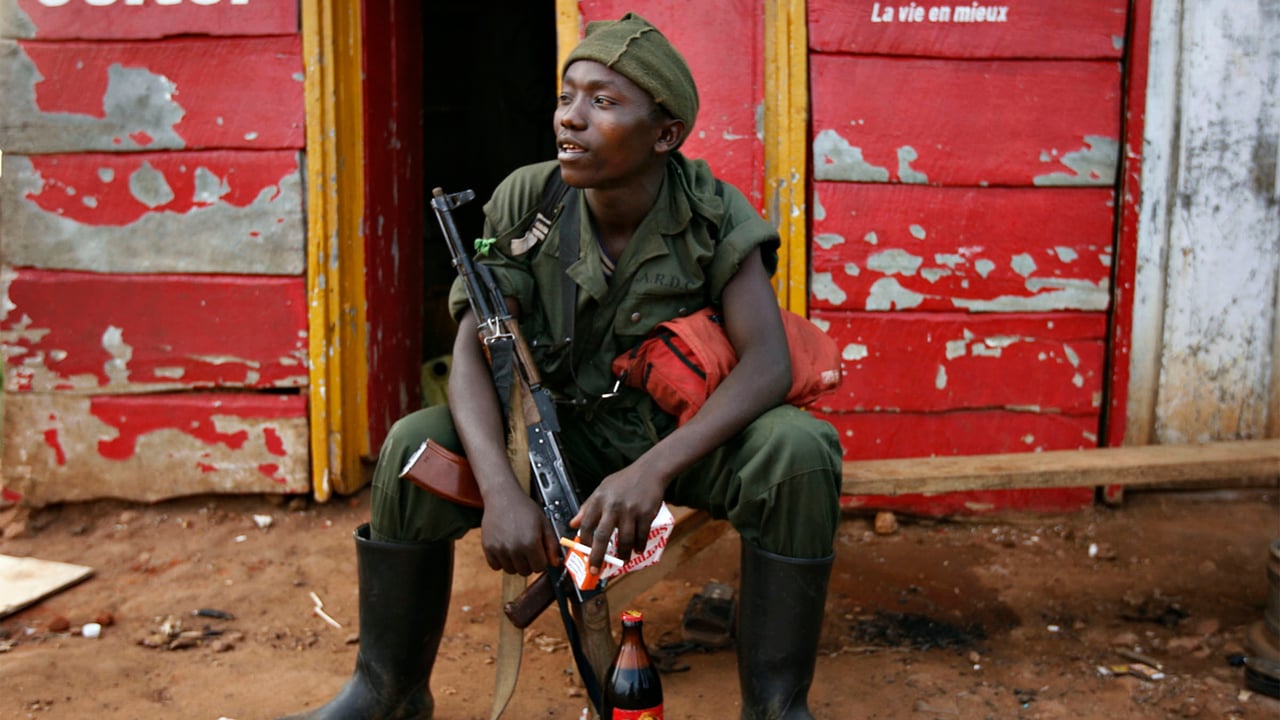
The coordinated offensive unfolded in multiple locations, revealing the group’s strategic sophistication. Near Douentza, attackers detonated three improvised explosive devices (IEDs) that struck a military convoy, a supply truck, and a motorcycle detachment. These strikes weren’t isolated incidents but part of a deliberate effort to disrupt FAMa and Africa Corps movements across the region. Further west, in the vicinity of Kansila, JNIM fighters engaged Dozo hunters—a traditional self-defense militia often deployed by Bamako—in a direct armed confrontation that left three local defenders dead.
Five years of junta rule: broken promises and escalating violence
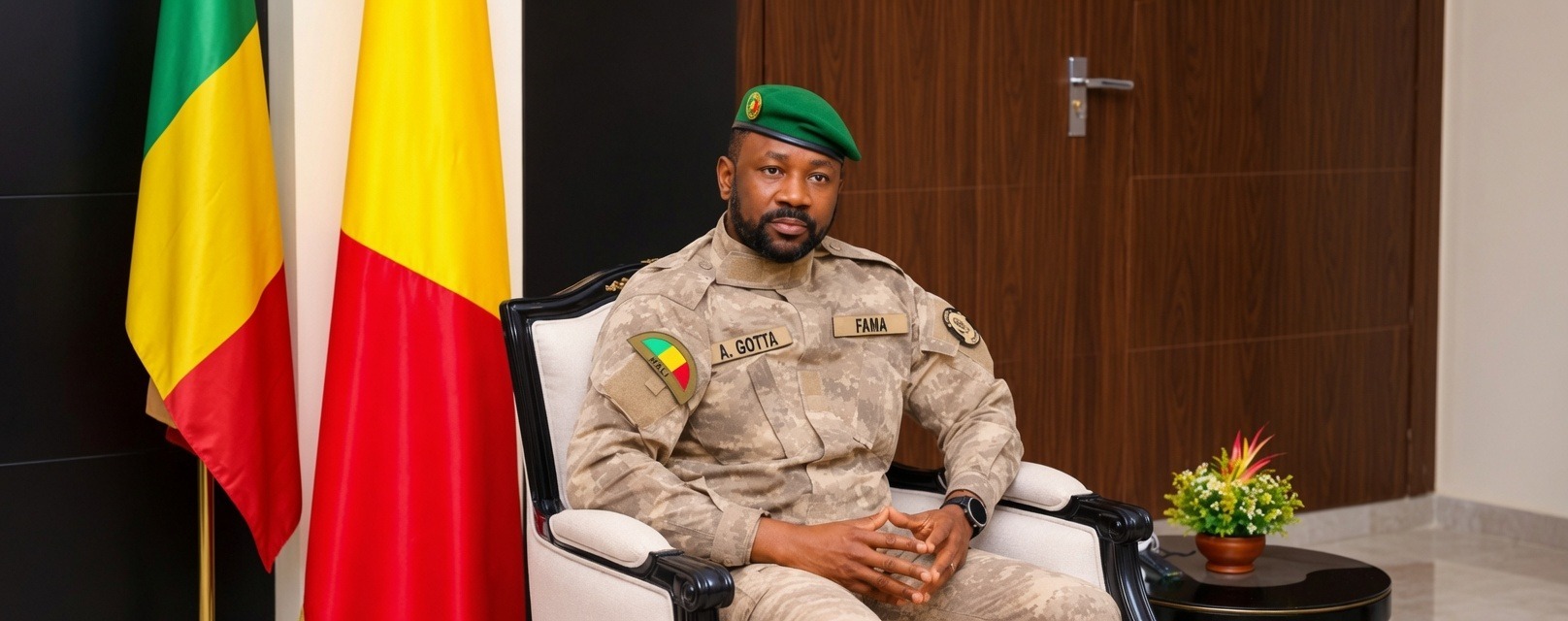
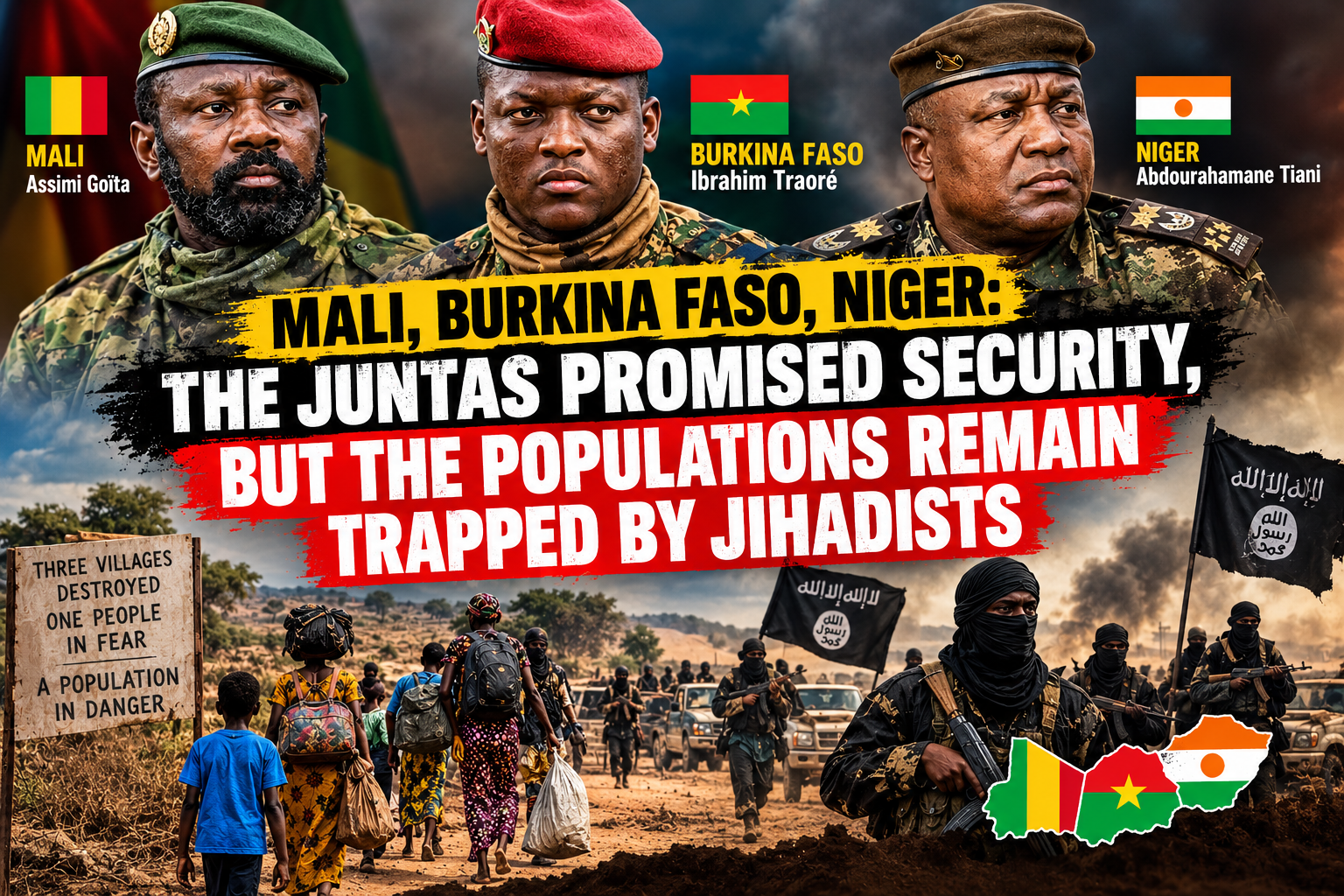
When Colonel Assimi Goïta seized power in 2019, his transitional government vowed to reclaim control of Mali’s entire territory and restore security where previous administrations and international partners had allegedly failed. Yet half a decade later, the situation has deteriorated dramatically. Conflict analysis data shows a stark increase in fatalities, with civilian deaths from political violence and terrorist attacks doubling or even tripling in certain provinces compared to pre-coup figures. The emergence of Africa Corps and the systematic targeting of specific ethnic communities have intensified interethnic tensions, inadvertently fueling jihadist recruitment.
The frequency of attacks has surged, with IED ambushes like those on July 19 becoming commonplace. Major road arteries now face near-daily disruptions, paralyzing commerce and humanitarian access. Despite these challenges, Bamako continues to assert its military progress, though tangible evidence remains scarce.
State retreat and the human cost of insecurity
Official rhetoric from Bamako celebrating FAMa’s