Mariama Hamani
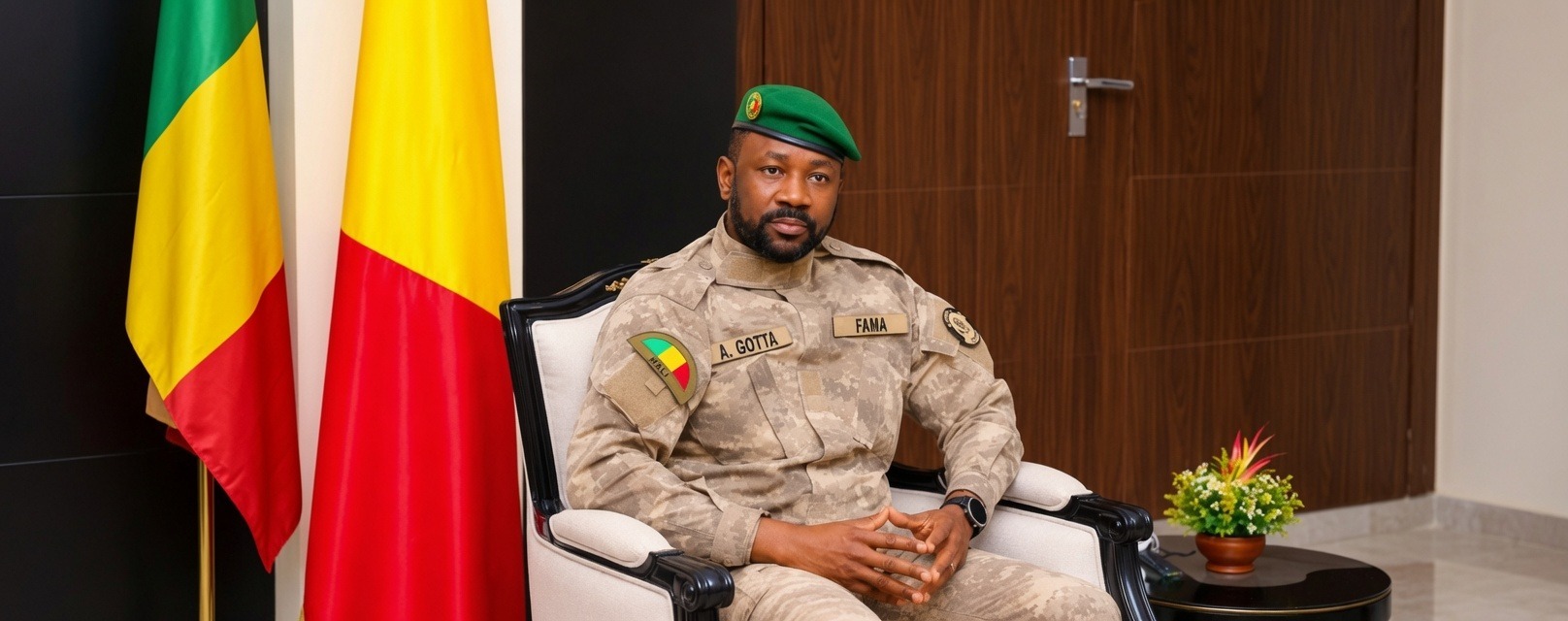
Mali’s transitional government has taken a decisive step in reinforcing its security framework by enacting sweeping changes to the country’s nationality laws. During a recent cabinet meeting, the executive branch approved a draft ordinance that alters the existing Mali nationality code, introducing provisions that allow for the revocation of citizenship for dual nationals accused of undermining the nation’s vital interests.
Previously, Mali’s legal framework permitted the stripping of nationality only from naturalized citizens. The new regulation marks a significant departure by targeting Malians born with dual citizenship, broadening the government’s ability to enforce stricter controls over perceived threats.
Broadened criteria for nationality revocation
The updated legislation outlines stringent conditions under which the state may initiate proceedings to revoke citizenship. Individuals found guilty of collaborating with hostile foreign entities, participating in separatist movements, or providing financial or logistical support to armed terrorist groups now face potential loss of their Malian citizenship. Additionally, the law criminalizes public endorsement or glorification of such groups, ensuring comprehensive legal coverage against destabilizing influences.
To align with international human rights standards, the ordinance includes a safeguard: revocation will only apply if the individual holds an alternative nationality, thereby preventing statelessness.
A political tool for silencing dissent
Analysts view this legislative shift as a calculated move to curb opposition voices, both within and beyond Mali’s borders. Several suspended political leaders, suppressed journalists, and critics of the transitional authority currently reside in exile across Europe and neighboring countries. Despite their physical absence, these figures maintain significant influence through media outreach and operational networks inside Mali.
By adopting this measure, Bamako aims to sever legal and administrative ties with what it deems as threats to national reconstruction, reinforcing its authority amid ongoing security challenges.


 Boureima Amadou