Mariama Hamani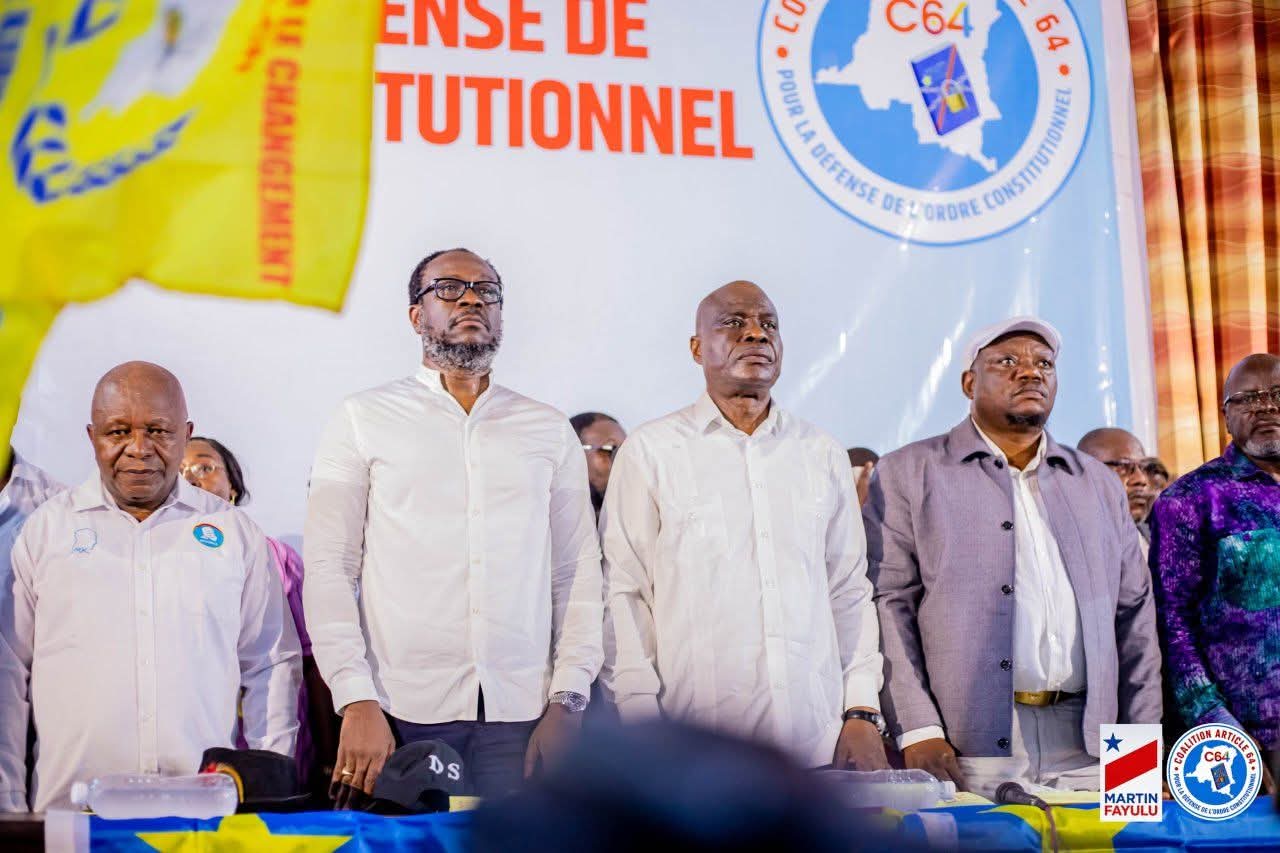
Congo faces dead city protest against third term bid by President Tshisekedi
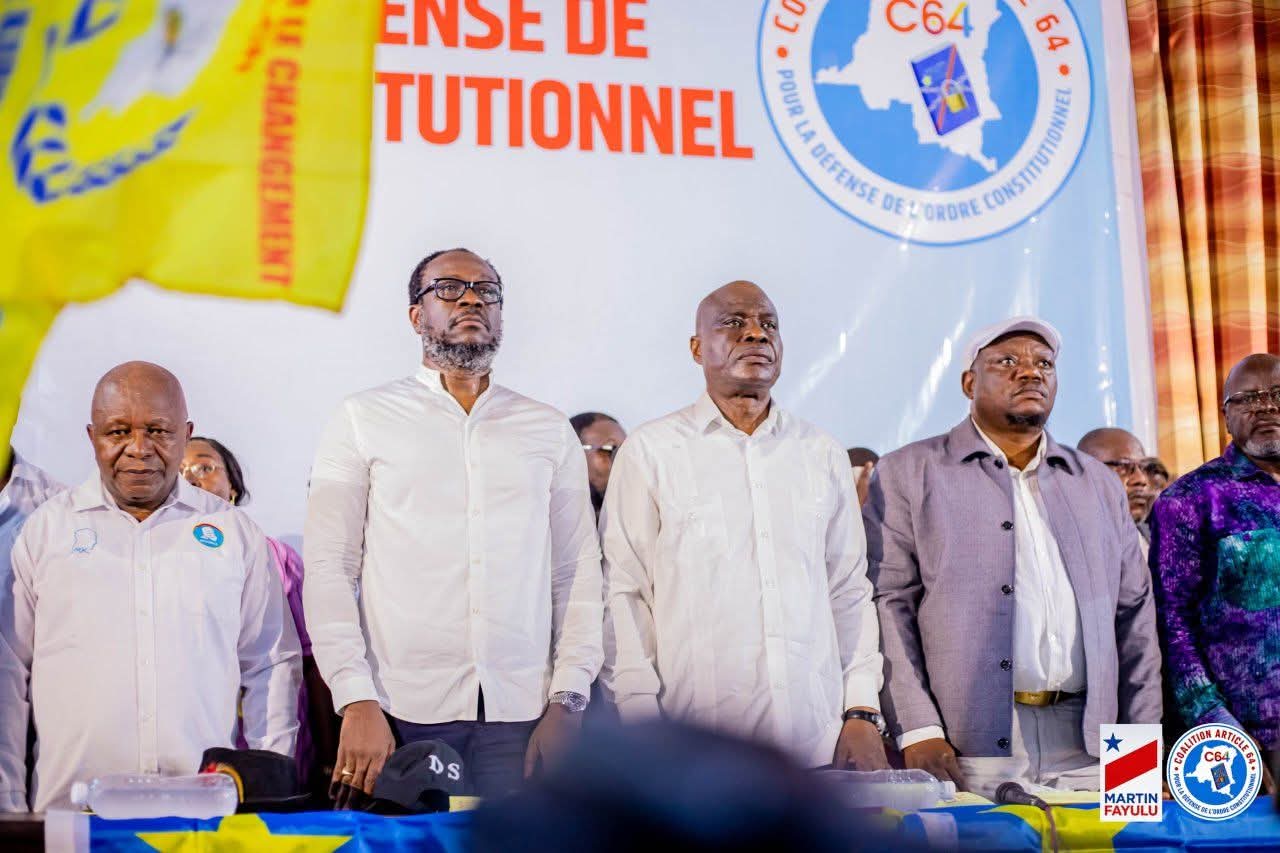
Amid ongoing efforts to revise the Constitution, growing opposition voices warn of an attempt to seize power. On June 3, a coalition of political opponents and civil society leaders, known as the C 64 alliance, called on Congolese citizens to observe a ‘dead city’ day in protest against President Félix Tshisekedi’s bid for a third term. The response was immediate and widespread: Kinshasa, usually bustling with activity, came to a standstill as most businesses remained shuttered in compliance with the call.
The constitutional revision in Congo hinges on ground realities
The opposition, emboldened by the success of the protest, will likely escalate pressure until President Tshisekedi abandons his third-term ambitions. Yet, current developments suggest such resistance may not be enough. The head of state, who has served two constitutional terms, shows no intention of stepping down. Instead, he has chosen to bypass constitutional constraints by pursuing a referendum, presenting it as a democratic exercise to secure public backing for his political ambitions—a familiar pattern in African politics where leaders rarely lose elections they hold.
Determined to press ahead, President Tshisekedi is rallying support from unlikely quarters. Religious leaders aligned with the constitutional changes have announced a public rally on June 5 to demonstrate their backing for his agenda. The path forward for the constitutional revision will ultimately depend on which side holds greater influence on the ground. The proposal will advance if Tshisekedi’s camp maintains dominance; otherwise, it risks being shelved. Yet history reminds us that African leaders often repeat past mistakes without learning from them. Tshisekedi himself, as an opposition figure, once opposed Joseph Kabila’s attempts to seek an additional term in 2018—until public mobilization forced Kabila to retreat and install a successor, Emmanuel Ramazani Shadary, who was later defeated in elections.
Tshisekedi’s focus on power risks overshadowing urgent national crises
Since assuming office, President Tshisekedi has prioritized maintaining power over addressing the Democratic Republic of the Congo’s pressing challenges. While the country grapples with escalating insecurity in its eastern regions—where entire territories remain beyond Kinshasa’s control—the president’s preoccupation with a third term adds another layer of instability. The overlapping crises paint a grim picture: the country faces not only armed conflict but also the persistent threat of Ebola outbreaks. Civil society and religious leaders have urged him to initiate an inclusive national dialogue to tackle these issues holistically, but months later, no meaningful progress has been made. Is the president overestimating his political strength, or is he simply repeating the missteps of predecessors? Whatever the case, the pattern in African governance remains unchanged: leaders persist in their course until consequences force a reckoning.

 Boureima Amadou