Mariama Hamani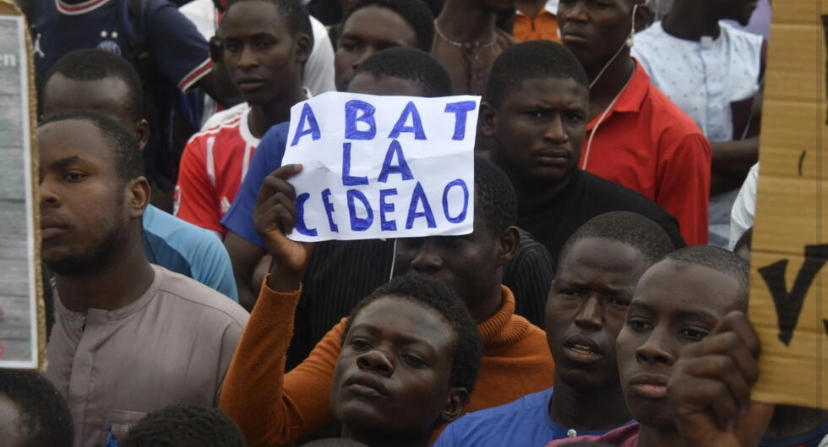
Cédéao withdrawal by Mali, Niger, and Burkina Faso: a threat to human rights protections
The recent announcement of the withdrawal of Mali, Niger, and Burkina Faso from the Economic Community of West African States (Cédéao) has raised significant concerns about access to justice for citizens of these nations. Among the most pressing issues is the potential loss of a critical legal recourse: the Court of Justice of the Cédéao, an independent tribunal that has historically played a vital role in upholding human rights across the region.
Ilaria Allegrozzi, a senior researcher for a leading human rights organization, highlights the gravity of this development. Speaking on the matter, she emphasizes that the Court of Justice served as a lifeline for individuals in these countries, where impunity for severe human rights abuses—particularly those committed by security forces and government authorities—remains widespread. She notes that access to justice within national courts is often severely restricted, making alternative legal avenues essential.
The Court of Justice of the Cédéao: a vital safeguard for human rights
According to Allegrozzi, the Court of Justice was not merely an option but a crucial mechanism for citizens seeking redress. Its jurisdiction extended to human rights violations, and its rulings have set historic precedents. For instance, it held Niger accountable for failing to protect a citizen from slavery, and in 2012, it ruled against the Nigerian government for abuses linked to oil companies operating in the Niger Delta.
One of the Court’s most significant advantages was its accessibility. Unlike many judicial systems, it did not require individuals to exhaust all domestic legal remedies before filing a case. This feature made it an attainable option for ordinary citizens in Burkina Faso, Mali, and Niger, ensuring that justice was not an unattainable dream for the marginalized.
What lies ahead for human rights protections?
With the withdrawal of these three countries, the future of such protections hangs in the balance. The loss of the Court of Justice as a regional legal recourse could leave citizens without a reliable avenue to challenge human rights abuses. This is particularly alarming given the ongoing security challenges and political instability in the Sahel region, where such abuses are more likely to occur.
As Mali, Niger, and Burkina Faso chart their course outside the Cédéao framework, the international community must closely monitor the implications for human rights. Will these nations establish alternative mechanisms to fill the void, or will the withdrawal exacerbate the already precarious situation for citizens seeking justice?

 Boureima Amadou